Britain’s currency falls with its queen with the lowest level in 4 decades

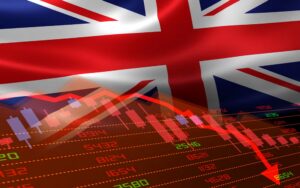
The British pound fell against the US dollar, last Friday, to its lowest level in nearly 4 decades (specifically 37 years), and to its lowest level in 17 months against the euro, after the weaker-than-expected numbers of retail sales increased concerns about the health of British economy.
In detail, the pound at the height of its collapse fell more than 1% against the dollar to 1.1351, its lowest level since 1985, and its decline accelerated once it crossed the 37-year low last week.
While the price of the euro rose against sterling to 87.66 pence, the highest level since February 2021.
The latest blow to the sterling came from data released last week, which showed that UK retail sales fell at the fastest pace in 8 months in August, as the deepening crisis of high cost of living and low confidence forced consumers to curb spending.
John Hardy, head of foreign exchange strategy at Saxo Bank explains that “the grinding backdrop of everything that is happening is taking its toll on the pound, as the UK runs these massive external deficits and the risks surrounding the new prime minister’s policies add to that”.
Britain’s new prime minister, Liz Truss, announced last week a two-year cap on energy bills to cushion the economic shock of the war in Ukraine, with measures likely to cost the country more than 100 billion pounds ($115 billion).
British Chancellor of the Exchequer Kwasi Quarting is due to issue a financial statement this month to explain how the plan will be funded, and is also expected to spell out how the tax cuts promised by Truss during her campaign for Tory leadership will be delivered.
In turn, Derek Halpini, an analyst at Japan’s MUFG Bank, said: “The retail sales data that was released a while ago is bad, and the sterling exchange rate will fall against the dollar under conditions of increased money market volatility”.
Most of the market turmoil is caused by a very high rate of inflation in the United Kingdom, which is the highest among the Group of Seven major industrial countries.
Investment banks had expected that the pound sterling would continue to decline to low levels against the dollar in the remainder of this year, and during the next year, to approach the level of parity with the US currency.
And, with the Bank of England insisting not to tighten monetary policy strongly, similar to the US Federal Reserve and major central banks, this may be considered the most important factor that will make the sterling record strong losses against the dollar, and perhaps we may see a point parity between the two currencies in the near future.