Axios: What do we know about Iran’s capabilities to repel a US ground operation
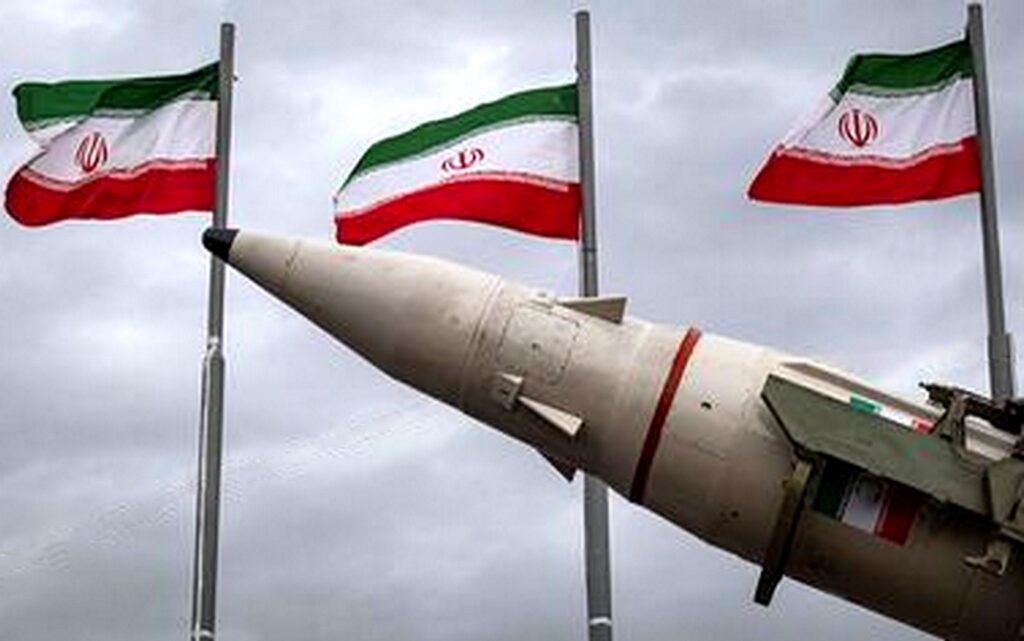
Iranian forces have come under considerable pressure as a result of intensive US-Israeli strikes targeting their command structure and operational capabilities during the first weeks of the confrontation, but Tehran continues to demonstrate an ability to confuse and challenge its adversaries.
Therefore, according to circulating data, the United States is seeking to formulate a final strike, but the options on offer, especially ground intervention, carry high risks that may push for a broader escalation.
Based on this data, Axios quoted a senior US defense official as saying that the White House and the War Department are considering sending at least 10,000 additional troops to the Middle East in the coming days, noting that the IRGC ground forces have more than 150,000 troops, along with the Basij forces and Iran’s larger conventional army.
Despite the heavy losses, Tehran continues to demonstrate a clear ability to maneuver and react, reflecting the nature of a conflict that has not yet been resolved and is heading for more complexity.
Although US President Donald Trump has repeatedly reiterated that the war is practically over, Iran continues to launch attacks against Israel and the Gulf states, and continues to close the Strait of Hormuz, affecting oil and gas prices globally.
On the command front, Israel says its initial strikes killed seven senior defense and intelligence officials, and that it targeted 30 senior military and civilian commanders, including IRGC commander Mohammad Bakpour, which created a state of confusion that didn’t lead to the collapse of the command system, according to Axios, but on the contrary, it showed Iran’s ability to readapt and continue.
In armaments, missile and drone attacks are estimated to be declining, but Stimson Center researcher Kelly Greco says this isn’t necessarily a permanent weakness, as its likely to be part of a strategy to maintain capabilities for later use.
Drones, especially the low-cost Shahed, are emerging as an effective tool in Iranian strategy, given their difficulty in monitoring and easy to produce, giving Tehran the advantage of long-term attrition.
As the Trump administration considers the possibility of a ground attack on Kharg Island, Iran is reportedly moving additional troops and air defense systems to the island, so US forces could be vulnerable to missile and drone threats in the event of a ground escalation.
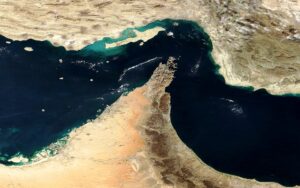
Despite the heavy losses suffered by the Iranian navy, Tehran still retains unconventional capabilities, such as speedboats and naval mines, that are a crucial element of its strategy to disrupt navigation, especially in the Strait of Hormuz.
The underground military infrastructure also gives it the ability to withstand air strikes.
The report concludes that Iran, despite the harsh strikes, hasn’t lost its ability to influence the course of the conflict, but rather relies on a combination of asymmetric tactics and operational flexibility.
While the United States and its allies continue to exert military pressure, the potential for a full-blown escalation remains, especially if the transition to ground operations is made, which could open the door to a broader and more dangerous confrontation in the region.