The Independent: This is the obvious cause of concern in Trump’s remarks
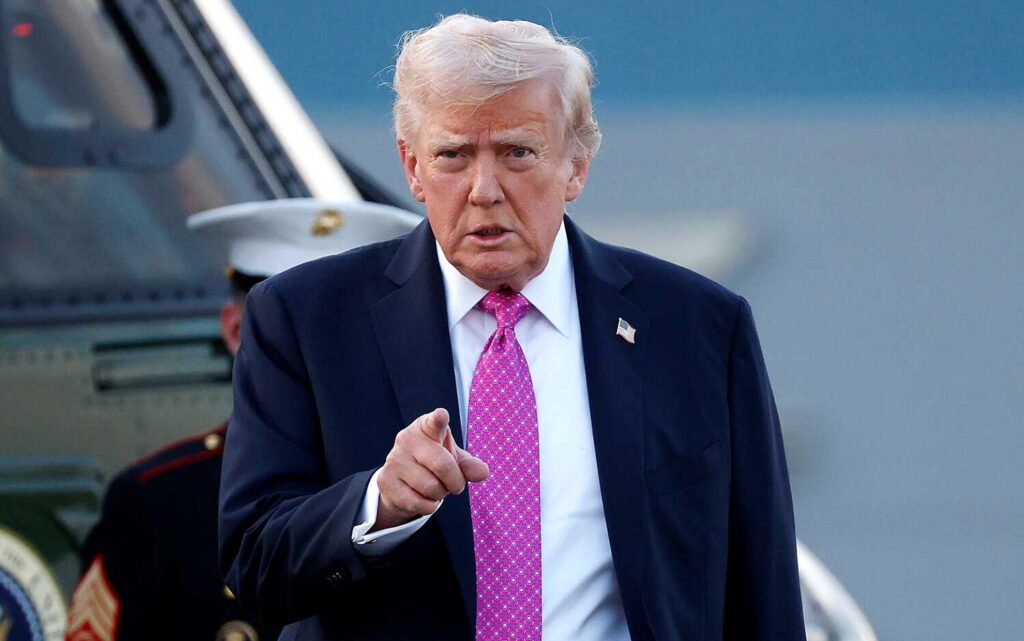
US President Donald Trump may claim victory in Iran, but he cannot end this war unless oil tankers can safely cross the Strait of Hormuz.
The Independent newspaper, provided a critical reading of Trump’s performance in the ongoing war with Iran, considering that the official speech declaring victory doesn’t reflect the full reality of the scene.
Because the United States, on Israel’s side, has achieved clear military superiority, and because Iran’s military infrastructure has been hit hard, including destroying air defenses, weakening naval capabilities, and targeting the top command, Trump, according to this narrow perspective of defining victory, can claim to be advancing in the war.
However, this assessment is incomplete, because the conflict isn’t measured only by direct military achievements, but also by its strategic results, and here the second war emerges, which is no less important than the first, which is Iran’s actual control of the Strait of Hormuz, one of the most important sea lanes in the world and through which a large percentage of global oil exports pass.
Trump can claim victory as he pleases, but he knows that there is no real victory as long as oil tankers cannot safely cross the strait without the risk of mines or attacks, which explains the state of concern evident in Trump’s volatile statements.
Iran, despite its inability to directly confront US and Israeli military power, is adopting a different strategy based on resilience and inflicting an economic cost on its adversaries, as the rise in the prices of oil and related commodities within the United States has begun to reflect negatively on citizens, turning the war into an internal political and economic burden on the Trump administration.
In this context, the author explains the vacillation in Trump’s statements, between the threat of a full-scale military escalation and the retreat towards talking about peace opportunities, as a reflection of a state of anxiety within the White House.
Sobel also questions the credibility of some of the president’s statements, saying they are more of a political wish than a matter of facts, especially with regard to Iran’s claim that it is willing to make major concessions.
The article points out that the United States faces a real dilemma, because reopening the strait by force is not an easy task, and may require complex and dangerous military operations, such as taking control of Iranian strategic positions or carrying out large-scale military landings, which contradicts Trump’s previous promises to avoid new wars.
Ultimately, Trump’s declaration of victory remains impossible unless navigation in the Strait of Hormuz is fully secured, and until then the war will remain open, with serious repercussions for the global economy and energy prices.