Brazil: The eldest son of Jair Bolsonaro announces his run for president against Lula
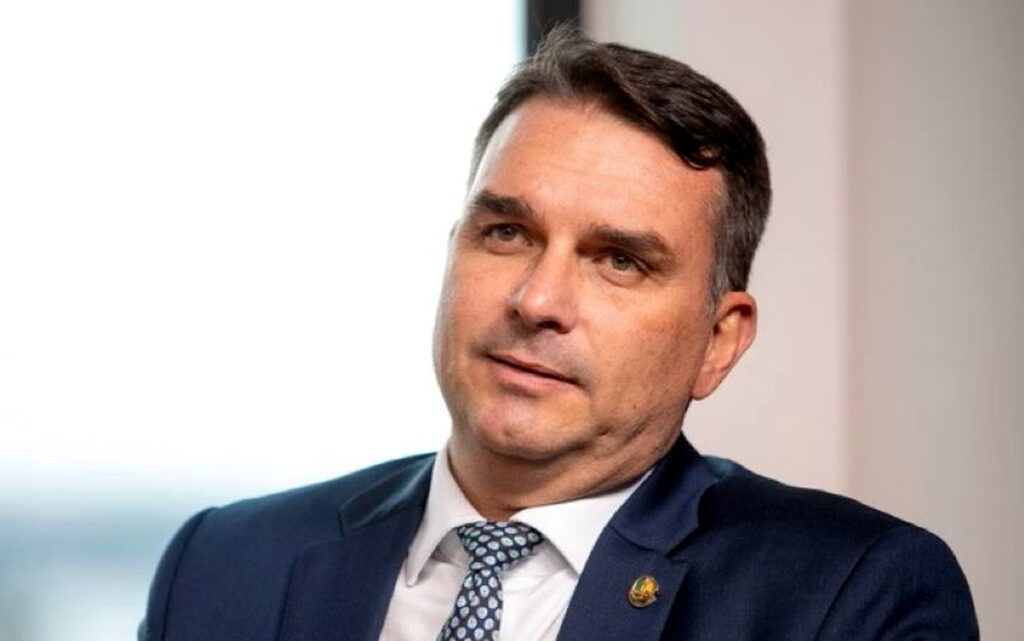
Senator Flávio Bolsonaro, and the eldest son of former Brazilian President Jair Bolsonaro, has officially entered the 2026 presidential race, positioning himself as the leading challenger to President Luiz Inácio Lula da Silva.
His candidacy marks the most significant attempt yet to preserve and renew the Bolsonarist political project following his father’s imprisonment.
Flávio Bolsonaro confirmed his decision on December 5, 2025, through a statement on X, declaring that his father had entrusted him with the mission to carry forward their national agenda.
Shortly before the announcement, he visited his father at the federal penitentiary where the former president is serving a 27-year sentence for plotting to overturn the 2022 election.
According to party sources, the visit was both personal and strategic, as father and son discussed the political direction of the Bolsonaro movement and the formal transfer of leadership.
The Liberal Party (PL) quickly ratified Flávio’s candidacy, ending speculation that the party might choose a less polarizing figure such as São Paulo Governor Tarcísio de Freitas.
Financial markets reacted immediately to the news, with the Brazilian real falling as much as 3% against the US dollar and the Bovespa index dropping nearly 4% amid fears of renewed political instability.
Flávio enters the race with strong support from the Bolsonaro base and from key figures within the PL, as his siblings and senior party members have already signaled their commitment to a unified campaign.
Still, he faces considerable challenges, as the shadow of his father’s conviction looms over the campaign, and although past corruption allegations against Flávio were dismissed, they remain part of the public conversation.
His candidacy must also overcome skepticism from centrist and business sectors that had hoped for a more market-oriented contender.
Political analysts note that expanding appeal beyond the committed far-right electorate will be essential if he hopes to mount a serious challenge to Lula.
From his part, president Lula da Silva, who is seeking another term, maintains a broad political network and strong global profile, though domestic dissatisfaction over economic stagnation has complicated his standing.
Flávio Bolsonaro’s entry into the race sets up a direct confrontation between Brazil’s long-dominant left and a reinvigorated right-wing movement seeking to reclaim national leadership.
With the PL consolidating behind Flávio Bolsonaro and the former president signaling his full support from prison, Brazil now approaches a highly charged and polarized 2026 election.
The outcome is expected to shape the country’s political trajectory, economic direction, and democratic stability for years to come.