The European Troika activates the trigger mechanism Sanctions against Iran
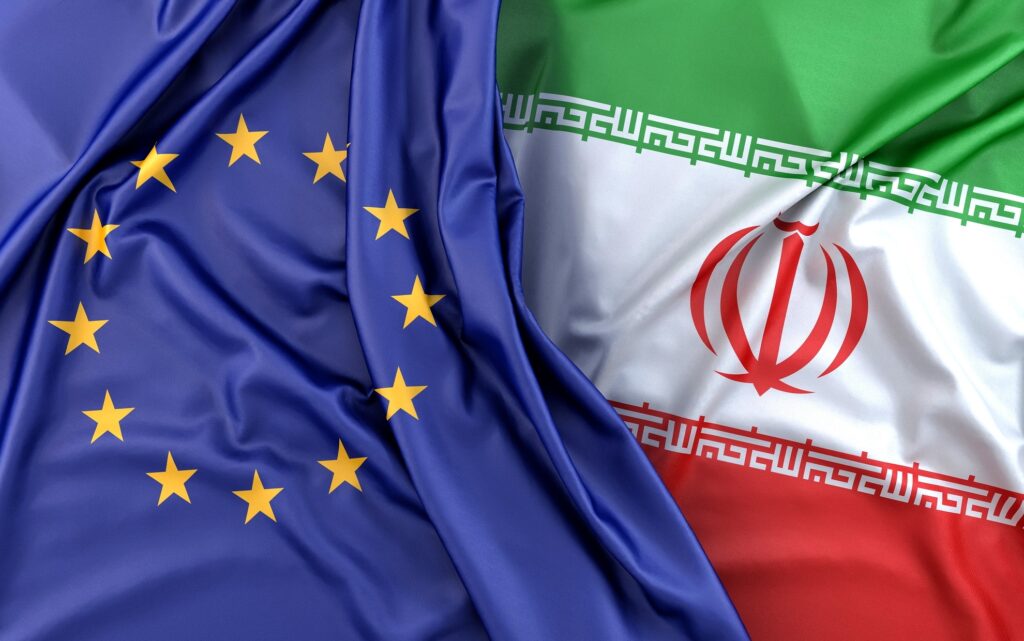
The three European countries (France, Germany, and Britain) announced on Sunday the reimposition of UN sanctions on Iran over its nuclear program, through the snapback mechanism, which allows for the reimposition of sanctions that were lifted ten years ago.
After last-minute international diplomacy failed at the United Nations, the sanctions came into effect at 00:00 GMT on Sunday.
This measure includes strict sanctions on Tehran for its continued violations of the 2015 nuclear agreement with major powers.
In a joint statement, the European Troika countries affirmed that Iran is urged to refrain from escalation and return to its commitments under the nuclear agreement, stressing that the three countries will continue to seek a diplomatic solution that prevents Iran from possessing nuclear weapons.
The sanctions include refreezing Iranian assets abroad, halting arms deals with Iran, and penalizing any development of Iran’s ballistic missile program.
These sanctions are implemented through the “snapback” mechanism that was part of the 2015 Iran nuclear deal.
US Secretary of State Marco Rubio called on all countries to comply with and reimpose sanctions on Iran, reflecting the US’s unwavering position on Iran’s nuclear program.
Iran previously asserted that it wouldn’t succumb to international pressure, noting that it didn’t see these sanctions having a significant impact on the Iranian economy.
A number of Iranian officials have also previously stated that they do not expect the sanctions to have a significant impact on the country’s economic activity.
On the other hand, Russia and China objected to the resolution, raising questions about the possibility of enforcing sanctions in light of this international opposition.
According to Clément Therme, a researcher at the International Institute for Iranian Studies affiliated with the Sorbonne University, the sanctions will entail economic and political costs.
He added that doing business with Iran will become more financially costly, particularly in financial transactions, which will increase shipping and import costs.
For companies and shipping companies, they will have to comply with the economic pressures, which will result in higher supply costs.
Ultimately, although the sanctions won’t impose a complete blockade on Iran, they will increase the economic challenges it will face in dealing with the outside world.