EU extends humanitarian sanctions waivers on Syria
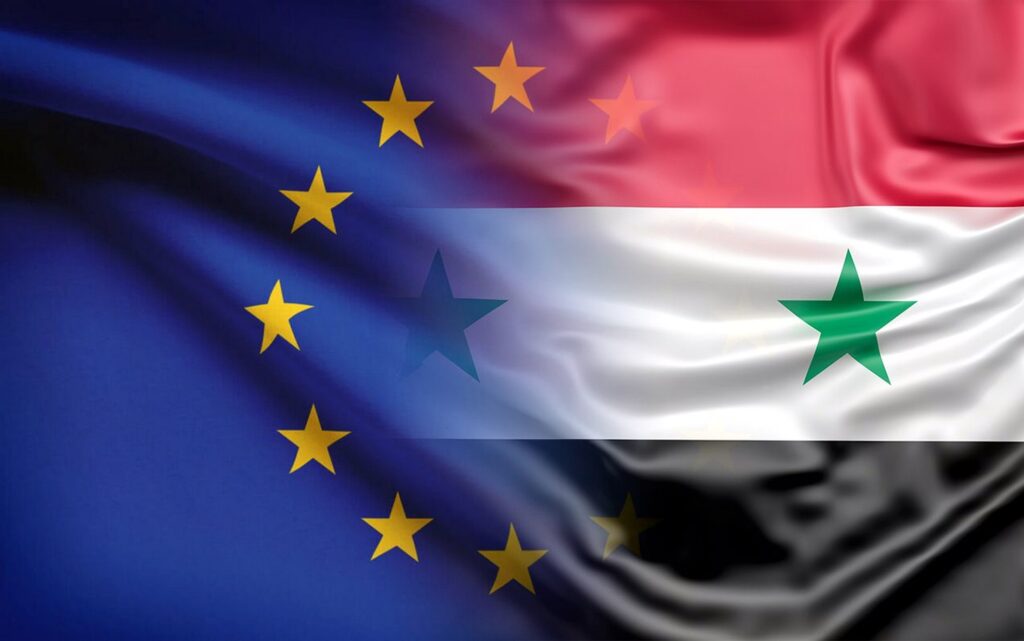
The European Union has announced the extension of the humanitarian waiver in sanctions imposed on Syria, which was approved after the February earthquake, with the aim of facilitating the faster delivery of humanitarian aid to Syria.
The German envoy to Syria, Stefan Schneck, explained that the European Council decided to extend the humanitarian exemptions in the sanctions imposed on Syria, noting that “we are reducing bureaucratic obstacles for our partners who provide assistance to the Syrian people to a minimum”.
“All actors have a responsibility to abide by humanitarian principles,” Schneik said, stressing that the EU had done his part.
According to the European regulation, the humanitarian exemption in the European sanctions on Syria includes exemption from the assets freeze and the embargo associated with the provision of funds and economic resources to individuals and entities included in the sanctions list, and aims to facilitate the operations of international organizations and specific categories of actors involved in humanitarian activities in Syria.
After the 6 February 2023 earthquake that struck northern Syria and southern Türkiye, the European Union temporarily eased sanctions on Syria to facilitate the delivery of humanitarian aid to the country.
“Humanitarian organizations won’t need six months to obtain prior authorization from EU countries to send materials or provide services to entities subject to EU sanctions,” the European Council said.
In the same period, the US Treasury Department issued the “Syrian General License GL 23,” which allows all earthquake relief related transactions for 180 days, which were prohibited by Syria sanctions regulations.
The EU began imposing sanctions on Syria in 2011 and reviews them annually.
So far, the list of European sanctions related to Syria includes 322 individuals and 81 entities, under which the assets of those targeted are frozen, as well as banned from travel and entry into the Union.
European sanctions on Syria also include an oil embargo, restrictions on certain investments, a freeze on the Central Bank of Syria’s assets in Europe, as well as restrictions on the export of equipment and technology that may be used to monitor or intercept the Internet or phone communications.