Beijing strongly objects US and Japan’s consensus on facing the challenges from China
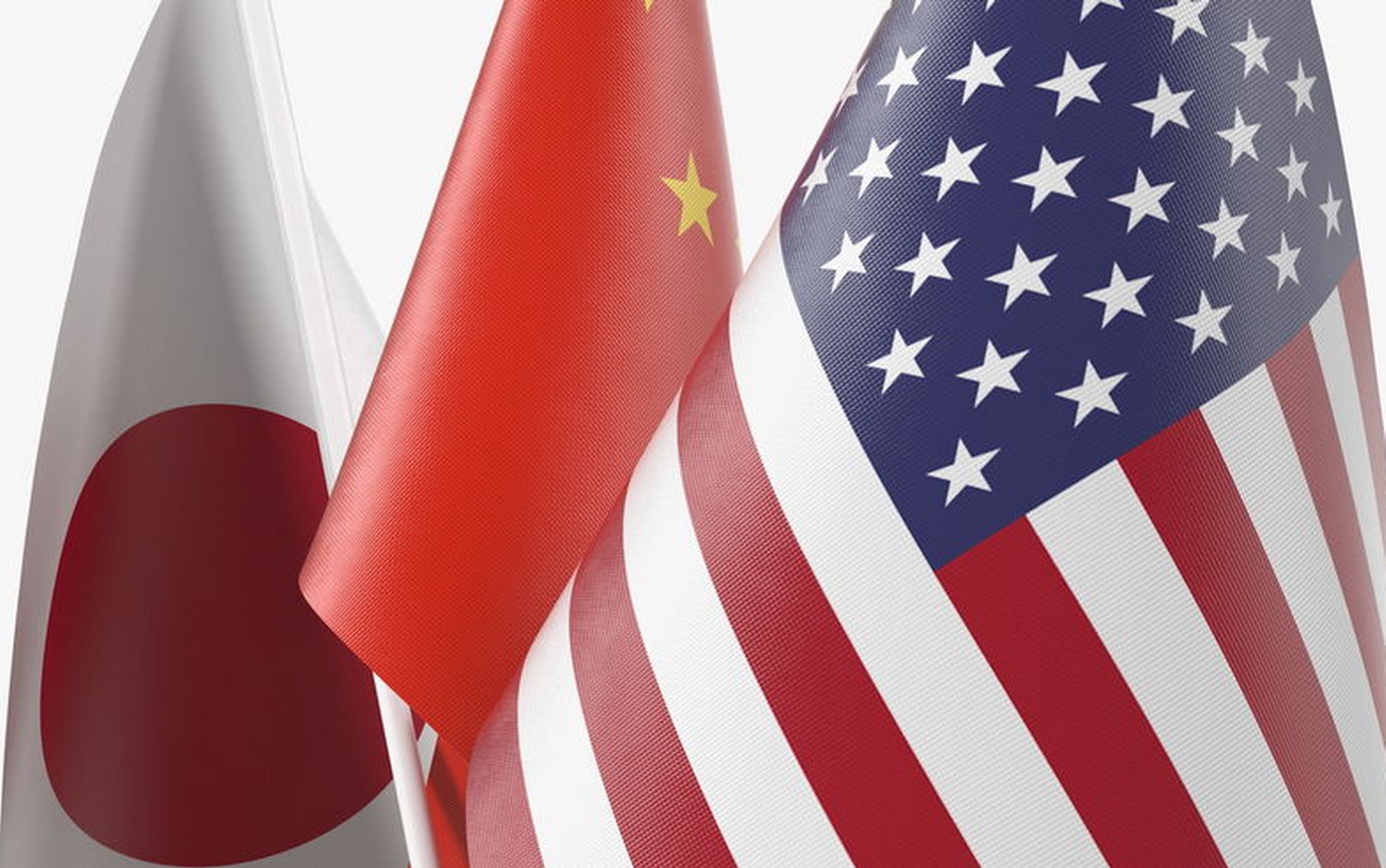
The United States and Japan reaffirmed their commitment to facing the challenges from China and ensuring the Indo-Pacific region is peaceful, free and open after their first personal meeting on Friday.
Concerns are growing over China’s moves in the disputed waterways.
“We have agreed to oppose any attempts to change the status quo by force or coercion in the East China Sea and the South China Sea, and intimidating others in the region,” Japanese Prime Minister Yoshihide Suga said through an interpreter.
China claims almost all of the South China Sea, which has sparked frictions with other countries in the region.
The Philippines, Malaysia, Vietnam, Brunei and Taiwan also claim sovereignty over parts of the sea.
“We are committed to working together to meet the challenges from China,” said US President Joe Biden.
Biden also stressed that the US alliance with Japan and support for common security is “solid”.
It is reported that the nuclear-armed United States is a protection force for Japan.
Thousands of American soldiers are stationed in Japan.
Suga said the United States and Japan reiterated the importance of peace and stability in the Taiwan Strait.
China considers self-governing Taiwan as part of its territory.
The two leaders also said that they intend to work with South Korea to address the challenge posed by North Korea’s nuclear program.
The Japanese prime minister’s trip to Washington was the first by a foreign head of state or government to the White House since Biden took office in January.
In turn, the Chinese embassy in the United States said Saturday that China strongly objects to the joint statement issued by the United States and Japan after talks between leaders of the two countries.
The embassy added in a statement that Taiwan, Hong Kong and Xinjiang are China’s internal affairs and should not be interfered with.
The embassy said that the talks went beyond the scope of normal bilateral relations, harms the interests of a third party and threatens peace and stability in the region.