Washington-Tehran negotiations: 4 demands that Trump won’t back down

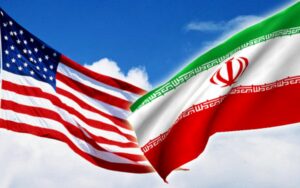
The upcoming negotiations between the United States and Iran in the Sultanate of Oman will be difficult and complicated, in light of US President Donald Trump’s adherence to four main demands that he refuses to retreat.00:00
The four non-negotiable US demands during the negotiations scheduled for Friday, Washington will insist on a complete abandonment of Iran’s nuclear program, the ballistic missile development project suspended, and end support, funding for affiliate groups in the Middle East, and dealing appropriately with protesters inside Iran.
For its part, Tehran demands, according to Western reports, to limit the discussion of negotiations exclusively to its nuclear program, while refusing to discuss other demands that it deems to interfere in its internal affairs and national sovereignty.
Background to the negotiations and recent changes the talks were stymied this week after Iran requested:
- Location of the meeting moved from Turkey to Oman
- Regional participants excluded from negotiations
- Limiting the scope of discussions only to the nuclear program
White House spokeswoman Karoline Leavitt said: “President Trump has always made sure to prioritize diplomacy, but it’s clear that it takes two parties… You need a willing partner to achieve diplomacy”.
Trump’s motives for entering these negotiations include: Mobilizing internal and external legitimacy before any possible military action; Demonstrating the diplomatic effort to global public opinion; Gain time to prepare for multiple scenarios.
According to senior Trump administration officials, Iran won’t respond to demands and see no real chance of reaching an agreement, raising questions about the true purpose of these negotiations.
The military option remains on the table The White House spokeswoman confirmed that Trump “keeps the option of military strikes on the table in the event that diplomacy fails,” noting that the president has many options on the table with regard to Iran.
Implications for regional allies Iran’s new demands could complicate efforts by US allies in the Middle East to broker a diplomatic solution, especially with Tehran’s insistence on excluding regional participants from negotiations.
The tense regional landscape These negotiations come at a time when the region is witnessing:
- Continuous US military deployment in the Middle East
- Repeated Iranian threats to respond to any strikes
- Israeli warnings against trusting Iran’s pledges
This round of negotiations is expected to be a real test of the will of both sides, as their visions are fundamentally contradictory about the scope of negotiations and the preconditions for any possible agreement, in a landscape that combines the options of diplomacy and the military simultaneously.