Trump’s compass: A new shift of Washington’s priorities
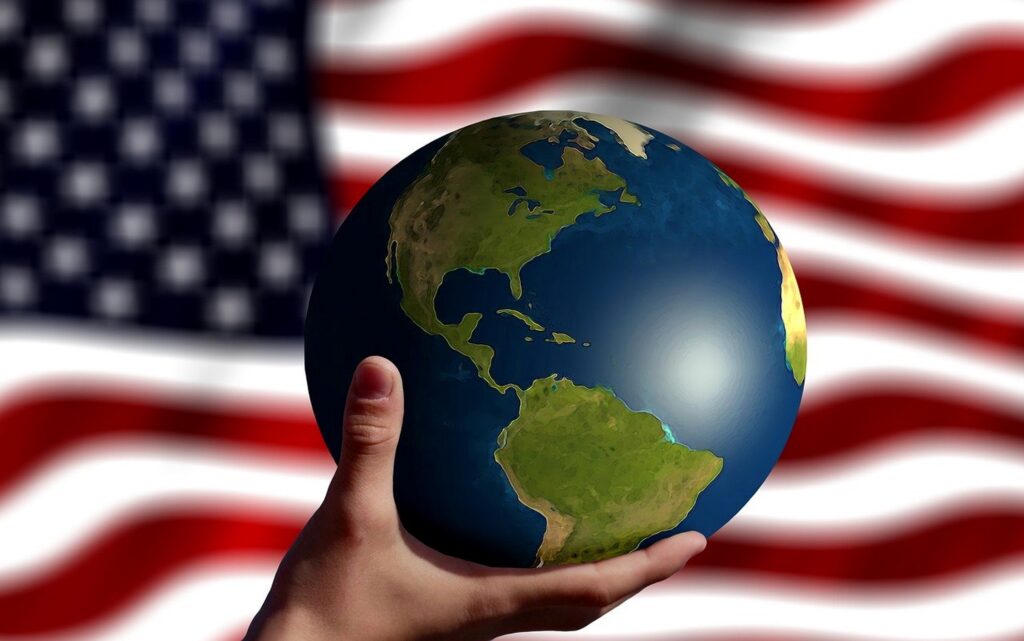
US President Donald Trump is preparing to announce the new US National Security Strategy in the coming days.
This strategy will be followed by a comprehensive review of US defense policies and troop deployments around the world, setting his administration’s priorities for the next four years.
However, leaks from within the US administration have revealed a sudden shift in the direction of this strategy, as Washington prepares to give Latin America a pivotal role, at the expense of its traditional focus on competing with China and Russia.
Observers believe this trend reflects domestic political considerations rather than a genuine strategic shift.
According to a report published by the Financial Times, Trump seeks to leverage foreign policy to serve his domestic agenda, particularly regarding illegal immigration and strengthening security on the southern border.
In this context, Venezuela and Colombia have emerged as key arenas in this new transformation.
Military sources have detected a US naval buildup in the Caribbean Sea off the Venezuelan coast.
Washington says the deployment is intended to combat drug trafficking, while observers see it as a message of political and security pressure on President Nicolás Maduro’s government.
Trump has repeatedly accused the Maduro government of fueling the drug trade and contributing to waves of illegal immigration to the United States, while Caracas has announced a heightened military alert level in anticipation of any hostile American action.
Relations with leftist Colombian President Gustavo Petro deteriorated sharply after the latter compared Trump to Hitler.
The US president responded by describing him as a mentally disturbed drug trafficker, threatening to impose punitive tariffs and halt US aid.
In contrast, relations with Brazil do not appear to be warmer, as Trump imposed 50% tariffs following the imprisonment of former President Jair Bolsonaro, one of his most prominent allies in the region, on charges of attempting to overturn the election results.
Washington also granted Argentina $20 billion in financial aid in exchange for reducing its economic cooperation with China, which is expanding its presence in mining and infrastructure projects in South America.
Analysts in Washington believe that Trump is using foreign issues to fuel his domestic narrative about security and national identity, arguing that immigration, drug issues, and border security have become the focus of American policy in the Western Hemisphere.