German jihadists within the Syrian Army!
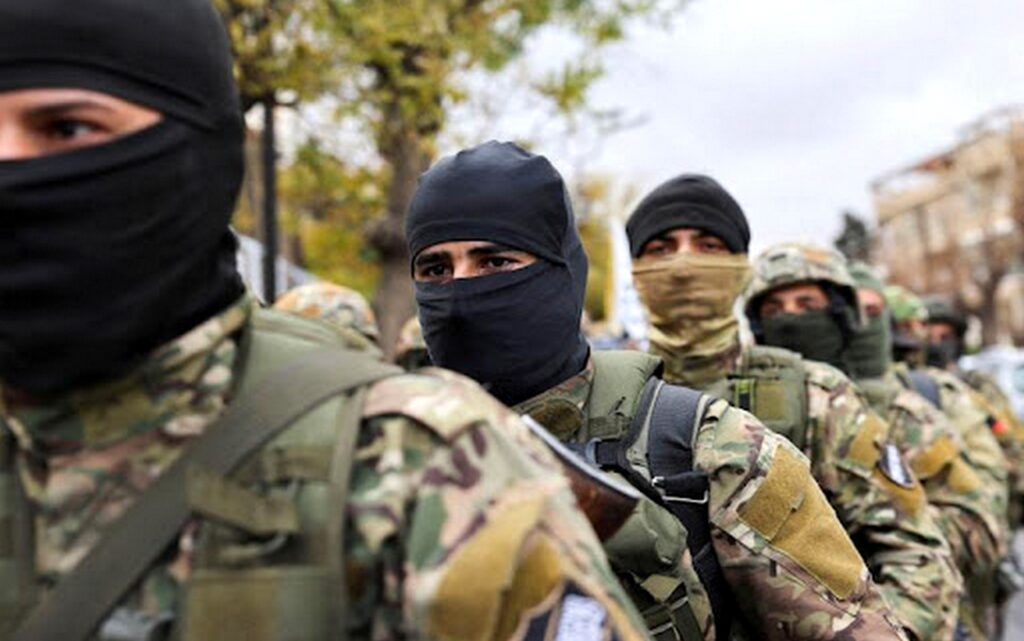
German reports based on information from German security sources, has revealed the presence of jihadist fighters with ties to Germany within the ranks of the new Syrian armed forces.
This development highlights the fragility of the transitional phase in Damascus and the continued presence of foreign fighter networks within the military structure that the transitional government is working to restructure.
This development also raises serious questions about the nature of the transformation being undertaken by the new Syrian administration, and whether the moderate image that interim President Ahmed al Sharaa is trying to cultivate internationally masks a different reality, one in which the threads of power intersect with jihadist networks whose roots extend into Europe.
While Damascus attempts to present itself as an active and reliable partner within the international coalition of some 85 countries fighting the ISIS terrorist organization, counter-extremism experts warn against the fallacy of equating this pragmatic political approach with a genuine and radical ideological shift within the circles surrounding al Sharaa, who for many years was part of jihadist militias closely linked to al Qaeda structures.
Investigations indicate that parts of the current regime, including the armed forces, still come from the same jihadist environments of which the interim president was a part, and that among these elements are jihadist fighters who previously lived in Germany.
Sources in German security circles confirm that some individuals with ties to Germany within the Syrian transitional government forces have links to al Qaeda, adding that some of them still adhere to a global jihadist ideology that seeks to impose Islamic rule through violence.
This revelation presents Germany and other European countries with a complex security challenge, especially given the confirmation from the same sources that a number of these fighters belong to a group numbering in the dozens.
This group joined al Qaeda-affiliated groups years ago and fought alongside Hay’at Tahrir al Sham (HTS), with some members coming from European countries, the Caucasus, and Central Asia, and fighting within HTS or its allied factions.
The security threat posed by these elements is particularly pronounced, according to security expert Christoph Leonhardt of the Berlin-based analysis and consulting firm Middle East Minds.
His research confirms the presence of specific jihadists from the German states of Berlin, Brandenburg, and Bavaria within the Syrian armed forces.
This reinforces the conviction among security circles that these extremist networks may use their current locations as platforms to spread extremist ideology, recruit new members, and ultimately return to European soil to carry out terrorist attacks.
Amid escalating European concerns, Hans-Jakob Schindler of the transatlantic research center “Countering Extremism Project” warns of the danger posed by these fighters who are close to the Sharia, noting that they possess accumulated combat experience over many years and maintain close ties with international extremist networks that could enable them to return to Germany at any moment.
He emphasizes that there are no indications yet that these individuals have undergone systematic deradicalization programs or that they have severed their ideological ties with jihadist structures.
These growing concerns are echoed by Berlin-based security expert Leonhardt, who also warns against underestimating the boundless capabilities of these networks in using cyberspace to maintain their international online presence, attract new supporters, or fuel extremism, not to mention their potential to travel to other regions to support terrorist organizations, particularly in Africa.
However, what is striking about the investigation is that, in parallel with al Sharaa’s rising international profile and his openness to high-level meetings with European leaders such as German Chancellor Friedrich Merz and Federal President Frank-Walter Steinmeier, security circles confirm that some German jihadists within the ranks of the Syrian forces are openly expressing their dissatisfaction with the moderate approach adopted by their former comrade-in-arms.
The more radical elements within his circle view his diplomatic contacts and political meetings with Western officials with disdain, seeing them as unacceptable compromises on the fundamental jihadist principles for which they waged bloody wars.
According to the same security circles, the whereabouts of some individuals with ties to Germany from the al Qaeda network remain unclear at present, which increases the ambiguity and apprehension surrounding their future intentions.
In an attempt to understand the motives behind the continued integration of these extremist elements into the state army, Schindler suggests that President al Sharaa needs these jihadists to secure his authority and ensure his continued grip on the levers of power.
However, in a more detailed analysis, security sources confirm that the Syrian transitional government is attempting to integrate and control former al Qaeda fighters, relying—similar to its approach with other groups integrated into the armed forces—on offering them compensation and benefits.
This is alleged by observers and experts who point to stark contradictions between Sharaa’s moderate rhetoric and the reality on the ground, which witnesses repeated and systematic attacks on religious minorities such as Alawites, Druze, and Christians.
According to the joint investigation, German jihadists affiliated with Sharaa’s circle were active for years on Telegram, where they glorified former al Qaeda leader Osama bin Laden, who was killed in 2011.
This is clear evidence of the continued propagation of extremist ideology even under the new political administration.
While many details remain unclear regarding the operational mechanisms of these groups within the Syrian army and the extent of their true loyalty to al Sharaa, the biggest question remains: how well can Europe and its security services deal with these veteran fighters and their potential return to their homelands after years of combat training in Syria, acquiring combat and technical expertise that would classify them as top-tier security threats?