The Washington Post: Iran doesn’t seem to be ready to surrender despite heavy losses
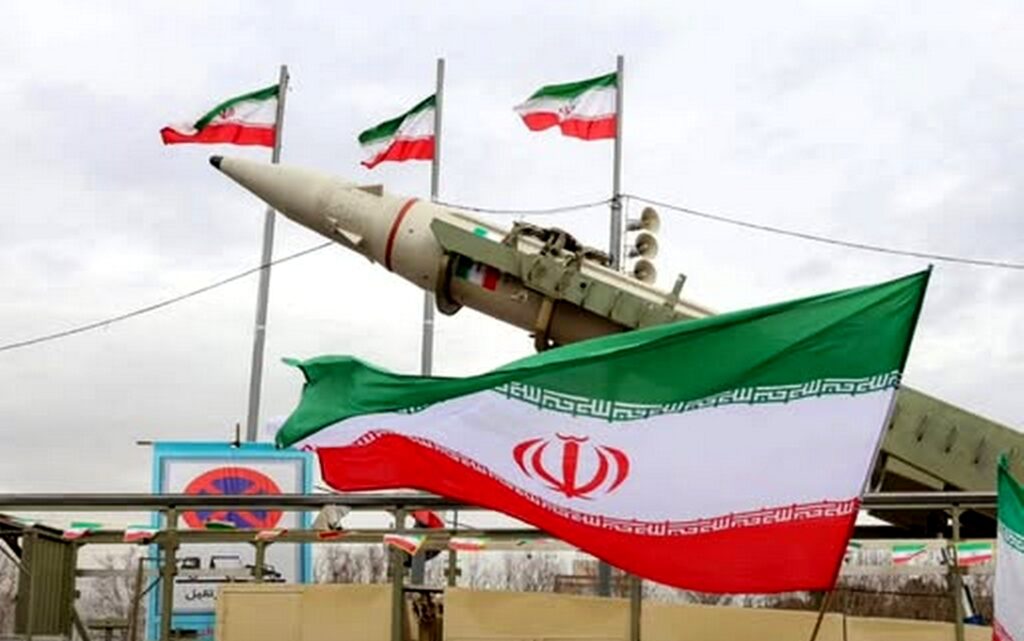
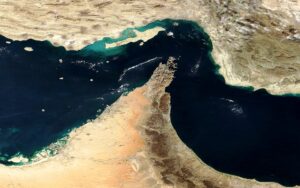
A report by The Washington Post analyzes the reasons behind this escalation, noting that the Iranian leadership is betting on a strategic card that it considers the strongest in its hands: control of the Strait of Hormuz.
As the war on Iran enters its fourth week, Tehran continues its intransigent stance, rejecting any diplomatic settlement despite intensified military strikes by the United States and Israel.
According to the report, Iran bases its defiant stance on its ability to disrupt the vital energy corridor in the Strait of Hormuz.
The partial closure of the strait has already sent markets tumbling and oil prices soaring, and Tehran believes it can increase global economic pain faster than the Trump administration can counter with military force.
This analysis is based on statements by Iranian and European diplomats and a senior Arab official, who spoke on condition of anonymity.
They see Iran’s leadership as a tool to counterbalance the military superiority of its adversaries and impose an increasing cost on the United States and its allies, even though these economic repercussions haven’t yet reached a level that pushes Washington to the negotiating table.
Heavy US strikes and stalled diplomatic efforts in return, Washington has intensified its military operations around the strait to ensure the continued flow of oil.
One diplomat revealed that the number of targets it struck inside Iran reached about 15,000, resulting in significant damage to infrastructure and large numbers of civilian casualties.
On the diplomatic front, efforts led by regional actors such as Qatar and Oman have so far failed, due to Iran’s adherence to the condition that the attacks first stop before entering into any negotiations, as well as its demands for guarantees and compensation.
“Iran isn’t ready for an early ceasefire as happened in the 12-day war,” an Iranian diplomat said, referring to a previous war.
Israel’s assassination of four senior Iranian officials last week, including Supreme National Security Council Secretary Ali Larijani and Revolutionary Guard spokesman Ali Mohammad Naini, has complicated opportunities for dialogue and pushed Tehran toward further extremism, the report noted.
This challenge was clearly reflected in the statements of Iranian leaders during Nowruz celebrations.
Parliament Speaker Mohammad Baqer Qalibaf vowed that “the new year will be a year to deal a strong blow to Iran’s enemies,” stressing that the country “will emerge from these storms with pride and strength”.
Despite the defiant rhetoric and the official language of defiance, the author believes that the data reveal a growing concern within the Iranian leadership about the long-term cost of the war, especially in light of the fragility of the domestic situation and declining popularity.
The Washington Post concluded its report with the opinion of former US intelligence expert, Rewell Gerecht, who confirmed that the Iranian leadership pays great attention to the domestic situation.
The continuation of the conflict exacerbates internal crises and may ignite new waves of protest, he said, adding that their most dangerous moments aren’t during the war, when they hold out, but when the strikes stop, noting that the post-escalation period may be more complicated for the regime than the fighting itself.