The Wall Street Journal: Nasrallah’s assassination won’t affect Hezbollah’s strength and military arsenal
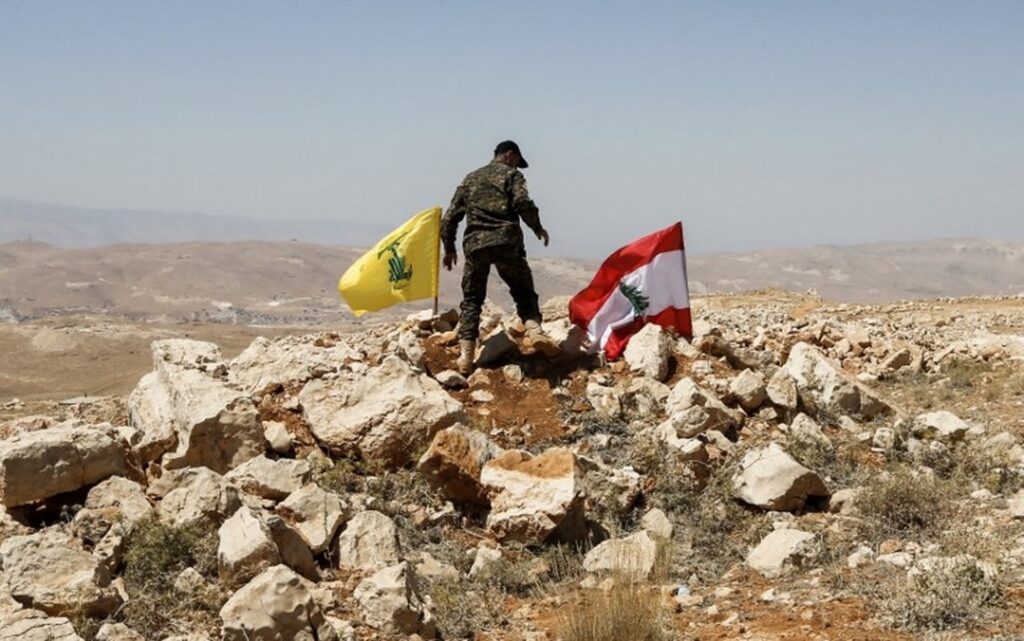
The Wall Street Journal indicated that Hezbollah still retains thousands of experienced fighters and a large arsenal of weapons, despite the assassination of the party’s Secretary-General, Hassan Nasrallah.
The Wall Street Journal pointed out that Israel’s problem lies in the fact that its declared goal of returning the displaced people of the north is difficult to achieve with air power alone.
Hezbollah has always stressed that Israel’s goal of returning the northern settlers to the region won’t be achieved without stopping the war in Gaza, and it also stressed full readiness to confront any ground invasion of Lebanon and a comprehensive war against Israel.
An Israeli government spokesman said earlier that Hezbollah had fired 6,800 rockets since the escalation across the border began.
According to, Dina Arakji, a researcher at the Control Risks Center, “In 2006, Hezbollah had approximately 15,000 missiles, which is a number that increased by at least 10 times now”.
The Israeli military website says that Hezbollah, under the leadership of Hassan Nasrallah, boasted a military force of between 20,000 and 25,000 fighters, with tens of thousands in reserve.
The Radwan unit is considered the most prominent in Hezbollah’s ranks, and is particularly known for its combat efficiency and strategic importance in the conflicts that the region has witnessed.
The unit includes several thousand highly trained personnel, some of whom have operational experience from the Syrian war.
Hezbollah’s weapons capabilities are also remarkable, and more like the army of a medium-sized country, as Hezbollah possesses more than 150,000 rockets and missiles, including Fajr-5 and Zelzal-2 missiles made in Iran.
These weapons highlight the threat that Hezbollah poses to Israel’s security, according to the same website, as its arsenal is capable of reaching deep into Israeli territory.