The US has military plans to strike Iranian naval assets and infrastructure and forcefully control the Strait of Hormuz if negotiations fail
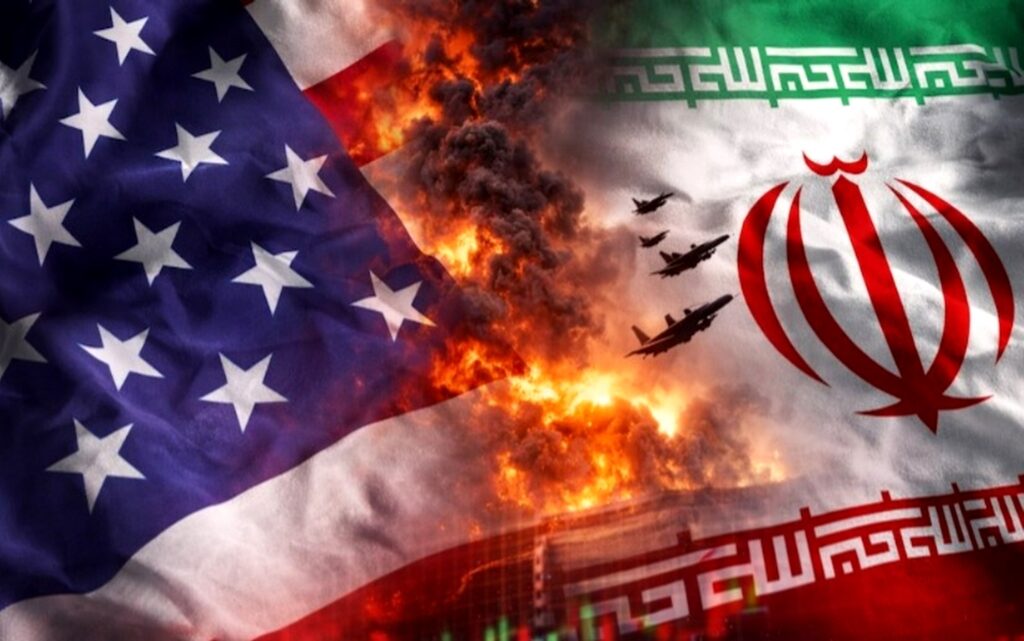
The US military is working on new plans targeting Iran’s capabilities in the Strait of Hormuz, in the event that the existing ceasefire collapses, focusing on directing precise strikes for what informed sources describe as dynamic targeting of Iranian assets in the strait, the Arabian Gulf and the Gulf of Oman, including fast attack craft, mine-laying vessels and other unconventional tools that Tehran has used to disrupt maritime navigation and put pressure on the United States.
According to CNN, citing informed sources, these plans come amid significant global economic repercussions from the closure of the Strait, threatening US President Donald Trump’s efforts to reduce inflation, despite the ceasefire that halted US-Israeli strikes on Iran since April 7.
The sources stated that the first phase of the bombing focused on targets inside Iran, away from the Strait, while the new plans call for a more focused campaign around strategic sea lane.
Estimates suggest that a large proportion of Iran’s coastal defense and missile systems remain intact, and that Tehran possesses a large number of small boats capable of carrying out maritime attacks, complicating any American attempt to reopen the strait.
Meanwhile, the network quoted sources, including a major shipping broker, as saying that strikes alone wouldn’t be sufficient to quickly reopen the sea lane.
One source familiar with the military planning said the decision would ultimately depend on how much risk Washington was willing to take, explaining: “Unless you can definitively prove that 100% of Iran’s military capabilities have been destroyed, or guarantee the ability to reduce the risk, the question will remain how far its willing to go in taking the risk and pushing ships through the Strait”.
The options under consideration also include targeting infrastructure and targets that Washington considers dual-use, including energy facilities, in an attempt to pressure Iran to return to the negotiating table, which could represent an escalation, according to warnings from current and former US officials.
The plans also include the possibility of targeting Iranian military leaders and figures described as obstructing negotiations, including Ahmad Vahidi, who serves as the commander-in-chief of the Iranian Revolutionary Guard.
In this context, a US Department of Defense official said: “Due to operational security requirements, we don’t discuss future or hypothetical movements… The US military continues to provide options to the president, and all options are on the table”.
Meanwhile, Trump continues to talk about divisions within the Iranian leadership, stating in a post on Truth Social that Tehran is having difficulty identifying its leadership.
He wrote: “Iran is having great difficulty figuring out who its leader is! They don’t know! The internal struggle between the ‘hardliners’ who are losing badly on the battlefield, and the ‘moderates’ who aren’t so moderate (but are gaining respect!) is insane!”
Its estimated that any further strikes could target what remains of Iran’s military capabilities, including missiles, launch pads and production facilities that weren’t destroyed in the first wave of US-Israeli attacks or that have been moved to new locations since the start of the truce.
US intelligence has previously estimated that about half of the launch pads and thousands of attack drones remain.
Last week, US Defense Secretary Pete Hegseth acknowledged that Iran had moved some of its military assets during the ceasefire, threatening to target them if Tehran didn’t agree to a deal, at a time when the US administration is showing a preference for a diplomatic solution, despite stressing that the extension of the truce isn’t open-ended, and that the military is ready to resume strikes.
Trump continues to express his displeasure at Iran’s refusal to reopen the Strait of Hormuz, which was effectively closed to international shipping in response to US-Israeli strikes.
Estimates suggest that Washington underestimated Tehran’s willingness to take this step at the beginning of the war, a move that could have been prevented by deploying military assets early on.
This failure led to the current situation, where oil tankers are hesitant to cross the strait for fear of attacks, while US forces are deployed in the region with 19 ships in the Middle East, including two aircraft carriers, and 7 ships in the Indian Ocean, in addition to imposing a naval blockade on Iranian ports since April 13, and diverting the course of at least 33 ships.
US forces also conducted inspections of ships at sea, including at least three vessels, two of which were in the Indian Ocean about 2,000 miles from the Gulf.
The most recent of these was a US boarding of a ship flying without a flag and subject to sanctions that was carrying Iranian oil.