The second part of the Russian revenge: Bets on the Euro’s decline reach frightening levels
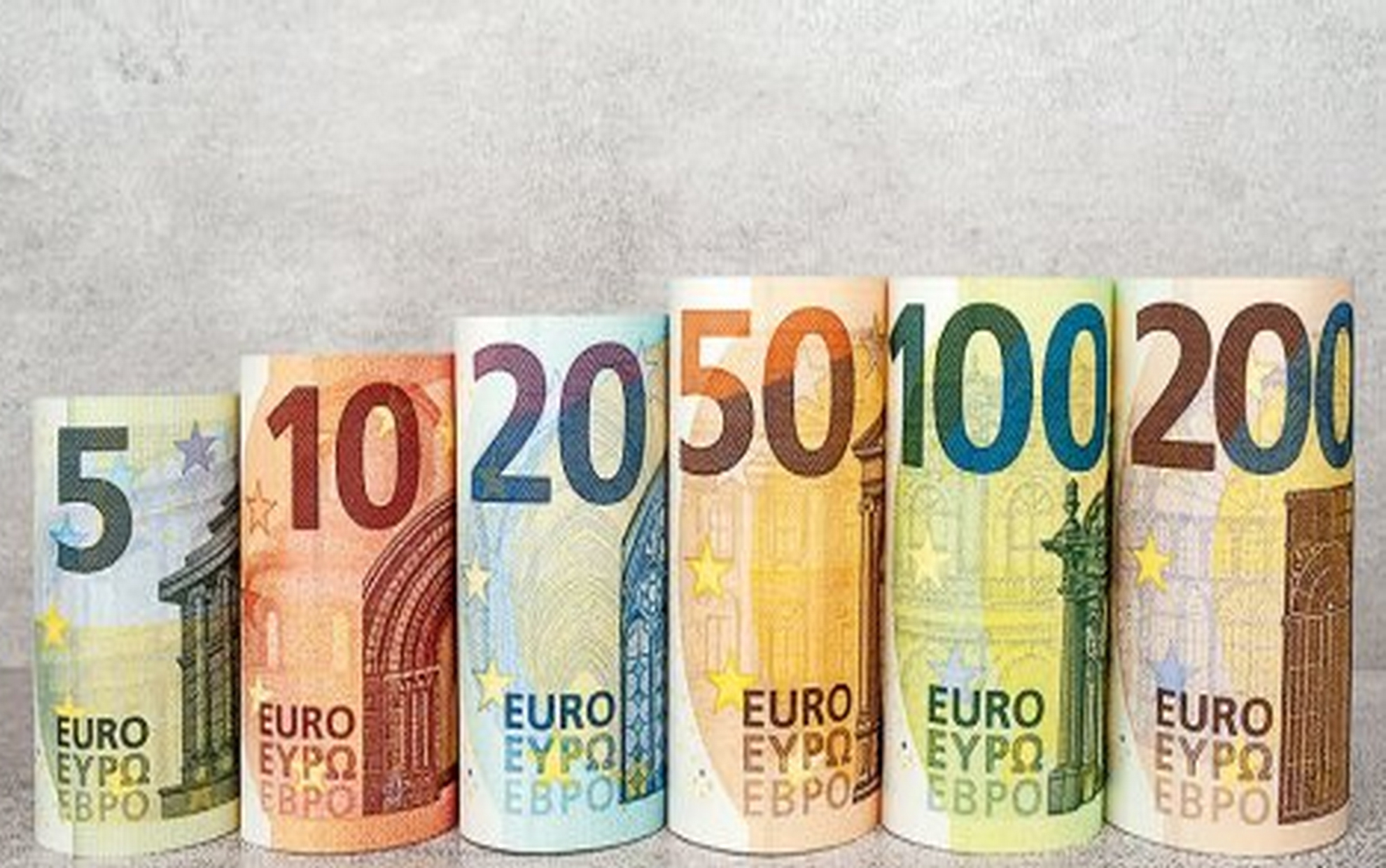
No sooner did the euro wake up from the nightmare of parity with the dollar, until the countries of Europe found their common currency in front of another challenge, in what some consider as “Russian revenge”, especially since the Russian ruble has shown a better performance than expected for a country engaged in the war and not equal to the great economic powers of the European Union.
Currently, investors’ pessimism about the euro is increasing to exceed the levels of 2020, which was a nightmare for Europe due to the repercussions of Covid-19, and pessimism is looming over the euro area, driven by concern about the deteriorating economic situation in Europe and the rise in geopolitical risks, according to Bank “New York Mellon”.
Contrary to what was the case in the days of the pandemic, when those who bet on the euro’s decline ended up incurring losses when the currency rose during the global economic recovery, it appears that investors at the current stage “were making the right decision to bet on the euro’s decline,” from the point of view of Veteran economic strategist Daniel Tenninguser.
While selling bias is not new, its extent is cause for concern.
According to New York Menon Where the Tininguser warns of a strong selling wave awaits the euro at certain levels and against all currencies, including the dollar, the pound sterling and the Swiss franc.
The expert cited accurate data and records, all of which unite a strong speculation that will take place against the European currency, which is losing traders’ confidence day after day.
Believe it or not, the euro may be at its best now compared to what may happen soon, as long as winter isn’t yet here and the old continent has not faced the frost waves that are depleting but absorbing energy resources.
And if Russia wants revenge, and takes its decisive blow at that time, things will not go well for the euro and the euro countries at all.
“I expect the euro to fall in the coming months, because we are at the beginning of the gas supply crisis, and because European countries currently have sufficient gas reserves in the summer, but with the advent of autumn and winter and doubled,” said currency specialist Dr. Gas consumption, the situation will deteriorate more and therefore the euro will fall more, and this large rise in oil and gas is harmful to the European consumer, especially to European companies, and this boosts inflation and exacerbates the crisis further”.
The currency expert stresses that the euro’s future prospects are “ambiguous and bleak” unless the European Central Bank or the US Federal Reserve intervenes, because the dollar’s strength is mainly due to the strength of the US Central Bank’s intervention, unlike the European Central Bank, which does not interfere much in the euro and therefore we find it Exposed to problems and downfalls.
The euro has fallen this year amid the fallout from Russia’s invasion of Ukraine, helping drive up energy and food prices as well as sparking broader geopolitical concerns.
With drought added to the mix, inflation skyrocketed.
However, there are also concerns about growth, which could potentially hamper the ECB’s ability to raise interest rates faster than its global peers and dampen investors’ appetite for assets in the region, thus lowering demand for the Euro, and if demand falls, the price will fall.
The Euro actually fell as low as 99.52 US cents last month, breaking parity with the Dollar for the first time in two decades.
Much of the guilt (if you will) is borne by the strong dollar.
The combination of high interest rates in the US and safe-haven inflows has helped support the greenback’s outperformance against almost everything this year, and some currencies such as the yen and the British pound have done worse than the euro.