The New York Times: The Panama Canal’s big problem isn’t China or Trump!
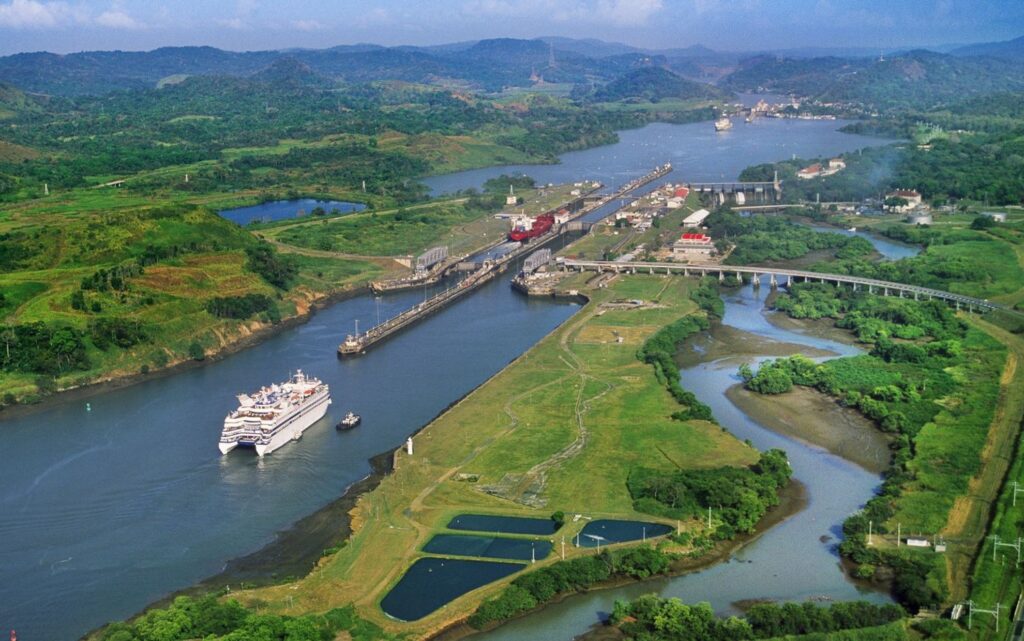
The New York Times reported that addressed the real threat facing the Panama Canal, isn’t China or Trump.
According to the report, as the middle of Panama’s rainy season, the rains were scarce, and water levels in the canal had dropped to alarming levels.
According to his observations, that without fresh water from rain, the canal’s locks cannot be operated.
The observations to President-elect Donald Trump and his recent statements that the Chinese threaten US interests in the canal, and his threat that the US could regain control of the passage that was returned to Panama 25 years ago.
According to The New York Times, Trump misunderstood the real threat to American trade through Panama.
If the goal is to ensure affordable access to the transit point in the long term, then climate change, not Chinese influence, is what should worry US policymakers.
The New York Times added that the passage of one ship through the canal locks requires about 50 million gallons of fresh water, which is collected from Gatun Lake.
Although the canal is currently operating at full capacity, a drier climate and increased demand for drinking water have reduced the volume of water available in recent years.
This has forced the state-run Panama Canal Authority to limit the number of daily passages through the canal, at one point by 40%.
With less rain, the reservoirs fill more slowly, reducing the amount of water available to operate the locks, and thus reducing the number of ships that can pass.
The New York Times says that the drought that hit the region in 2023-2024, which was among the worst ever, slowed transit operations and raised transit prices, causing long delays, higher prices for consumer goods and increased instability in shipping routes.
“Maybe these increases are what Trump referred to as a scam,” New York Times said.
The drought in 2023-24 was partly caused by the influence of a strong El Niño, in which high sea surface temperatures in the Pacific Ocean changed weather patterns around the world.
Scientists generally agree that climate change is making El Niño events more intense and frequent, and that higher temperatures have also increased evaporation from reservoirs, reducing water supplies.
Trump’s references to Chinese influence and his demands for lower transit fees or regaining control of the canal have certainly not gone down well in Panama, especially among civilian leaders focused on resolving the canal’s challenges.