The Iranian General Staff: The response will be deterrent and strong and will make them regret it
In its first official response to the large-scale Israeli attack, the General Staff of the Iranian Armed Forces issued Statement No. 1, affirming that Tehran would respond with force and deterrence to those it described as the orders, perpetrators, and supporters of this cowardly aggression, vowing to make them regret their actions.
The statement read, “The Zionist aggression at dawn on Friday, Khordad 23,” targeted civilian and military areas inside Iran, resulting in a number of casualties, including women and children, as well as a number of military commanders.
The General Staff noted that this attack violates international laws and norms and represents a dangerous escalation that won’t go unanswered.
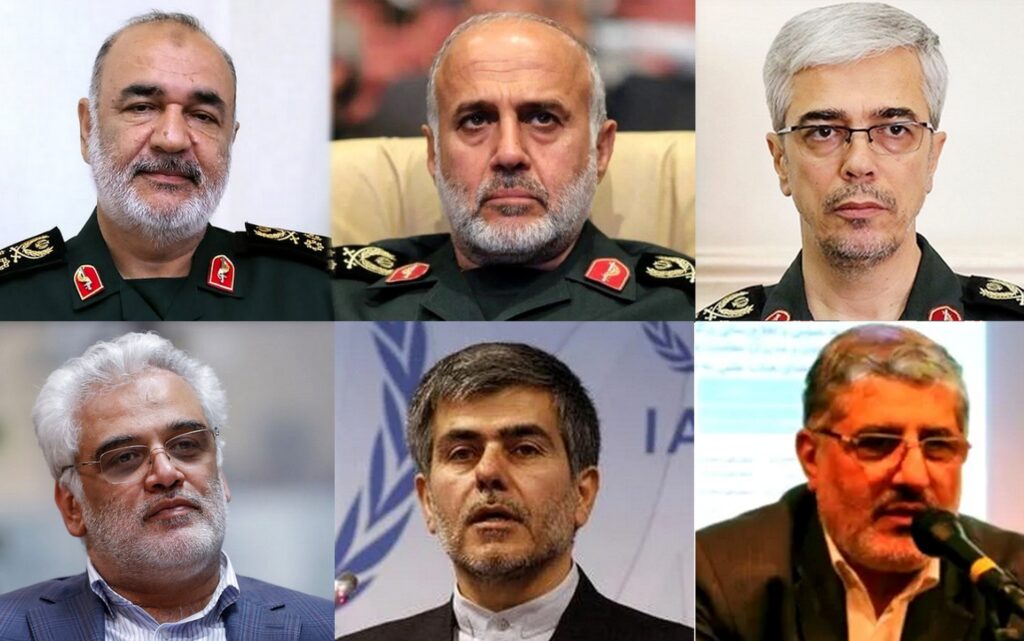
According to the Iranian Tasnim News Agency, the Israeli raids targeted sensitive sites and resulted in the deaths of prominent figures in the Iranian military leadership, including:
Major General Hossein Salami, Commander-in-Chief of the Revolutionary Guards.
Major General Gholam Ali Rashid, Commander of Khatam al Anbia Central Headquarters.
Lieutenant General Mohammad Bagheri, Chief of Staff of the Armed Forces.
The agency also reported that the Supreme Leader’s advisor, Ali Shamkhani, sustained serious injuries in the bombing and is in critical condition.
The attack wasn’t limited to military leaders, but also targeted prominent nuclear scientists.
Iranian media reported the deaths of a number of nuclear program specialists, most notably:
Dr. Mehdi Tehranchi, President of the Islamic Azad University of Tehran.
Dr. Fereydoon Abbasi, former head of the Atomic Energy Organization of Iran.
Eng. Ahmed Reda Zolfaqari, Professor of Nuclear Engineering.
On the other hand, Israeli Army Radio quoted a Mossad source as saying that the latest strike represents “the longest and most dangerous assassination list targeting the Iranian leadership at once,” considering the operation “unprecedented in the history of intelligence operations against Iran”.
The recent escalation between Tehran and Tel Aviv portends an open confrontation that could expand regionally.
While the region awaits Iran’s response, Tehran asserts that its response will be decisive and painful, putting the Middle East on the brink of a dangerous military development.