The EU discusses easing sanctions on Syria and potential billions of dollars in investments
The European Union is preparing to ease sanctions on Syria, in a move that represents a strategic shift in its policy toward the Syrian crisis.
This move comes within the framework of efforts to promote political transition, limit Russian influence, and influence the new Syrian leadership.
EU foreign ministers are expected to reach a political agreement on a gradual easing of sanctions at a meeting in Brussels next week, diplomats said, adding that lifting the sanctions would depend on the new Syrian authorities’ commitment to the rights of women and ethnic and religious minorities.
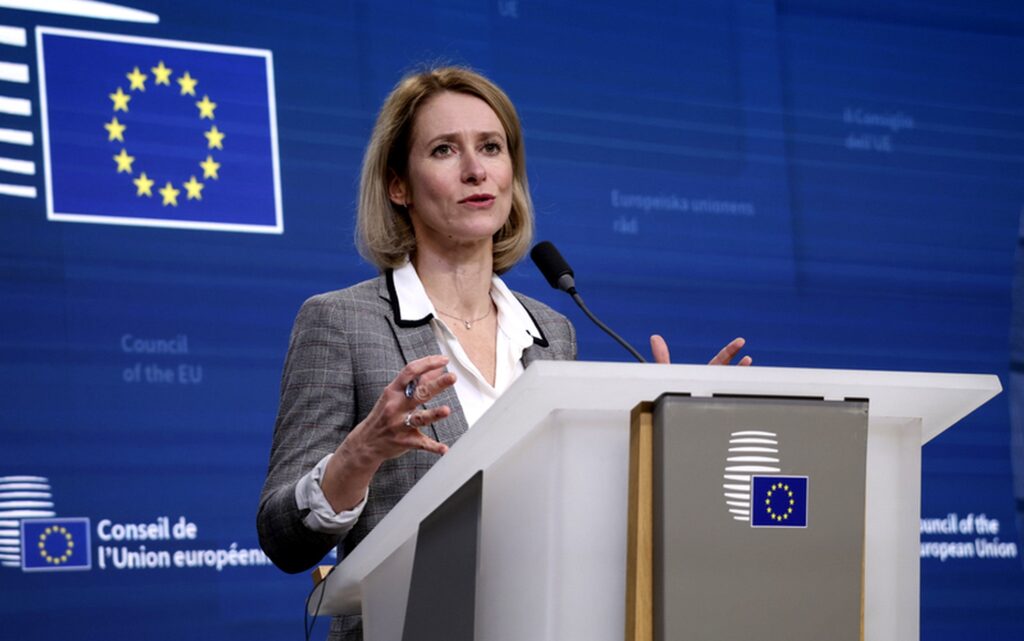
“The approach should be step-by-step, with sanctions relief tied to positive developments… If we see negative developments, the EU should be prepared to step back from the relief,” Kaja Kallas, the EU’s foreign policy chief said.
One internal document, described as a proposed roadmap, said the issue of removing HTS from the terrorist list would be discussed at a later stage in coordination with allies.
The decision would be based on a joint assessment of the group and its leader, Ahmed al Sharaa, known as Abu Mohammed al Julani, and on developments on the ground in Syria.
The European proposal may include easing sanctions related to energy, electricity, transportation, and some banking transactions, while continuing restrictions on weapons and sanctions directed against individuals linked to the Assad regime.
Easing sanctions could unfreeze billions of dollars in aid and investment for reconstruction, estimated to cost at least $250 billion.
The European plan was initially put forward by Germany, France, the Netherlands, Spain, Finland and Denmark.
One European diplomat said that there is now broad agreement among member states on the structure of the plan, but disagreement remains over the pace of implementation and ambition.
A clear timetable and effective monitoring mechanism remain under discussion, with a framework for reversing the easing if Syrian authorities don’t comply with EU conditions, a European diplomat noted.
The goal, according to the European diplomat, is to maintain strong influence over the Syrian authorities to ensure the continuation of democracy, respect for inclusive processes, and the protection of women’s and minority rights.
The European Union and the United States severed diplomatic relations with Damascus in 2011, following the Assad regime’s violent crackdown on protesters during the so-called Arab Spring uprisings.
Western sanctions have crippled the Syrian economy, including the oil industry, trade and investment, as well as freezing the assets of the Syrian Central Bank abroad.