Syrian people struggling shortages of food and fuel with Covid-19 spread
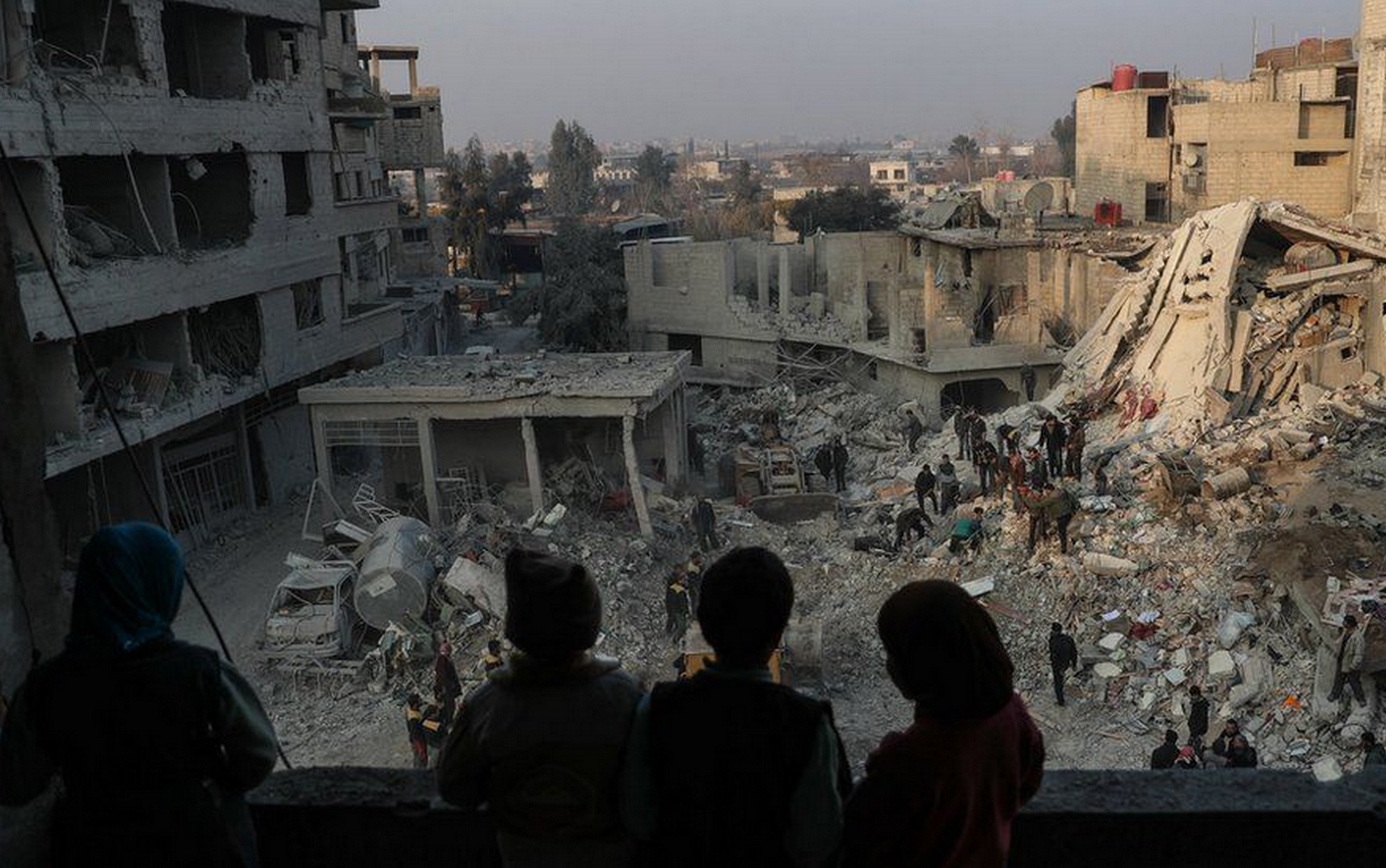
In their latest statements regarding Syria, International Red Cross officials said that Syrian families are finding it more difficult than ever to buy food, and there is no fuel for ambulances to transport the Coronavirus infected hospitals.
“Syria is in the midst of a deadly cycle of war, economic downturn, pandemic and sanctions,” said Peter Maurer, president of the International Committee of the Red Cross.
They continue to visit detainees in central prisons in Syria, but they have no way to reach unofficial detention centers on all sides”.
Francesco Rocca, President of the International Federation of Red Cross and Red Crescent Societies, added: “The lack of fuel means that there are no ambulances to transport patients to hospitals, and it is impossible without electricity to safely store blood or vaccines someday”.
Reuters, quoted these statements, noted that “United Nations figures show that 13.4 million of Syria’s population, which is currently about 18 million, depend on aid”.
Before the war in the country, the population was estimated at 23 million, and this number has remained in use by many until today, despite the exodus of millions from the country, and assuming that the number 23 is correct, it is with the departure of about 4 million people to Turkey and about a million to Europe and about 4 million Between Lebanon, Jordan, Egypt, Sudan and other countries, the actual number inside Syria is estimated between 14 to 15 million people.
In conjunction with these statements, the British the Independent newspaper published this weekend the details of what it said are the details of secret plans through which Britain intends soon to reduce aid provided to the world’s poorest countries.
With regard to Syria, aid will be reduced by 63%, and in Lebanon it will reach 88%.
These plans have been met with criticism and condemnation in Britain, on the grounds that they “contradict the pledge to protect humanitarian relief from any reduction”.
The approval of these cuts means more disasters and suffering for those who were reaching them, and the fear now that other countries will follow the example of Britain in light of the economic crises caused by the epidemic.