Recent official data reveals a horrible numbers of Syrian Economy
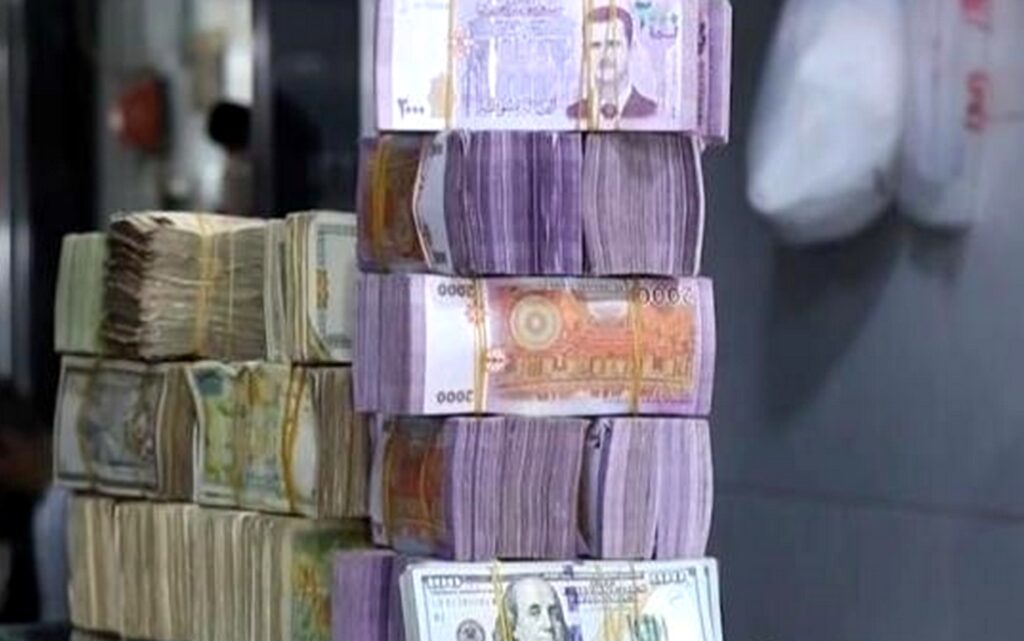
The first official reading of the Syrian economic situation showed that the GDP declined by an average of 7% between 2011 and 2022.
According to the data, the Syrian economy began to gradually improve since 2014, recording positive growth in 2018 and 2019.
However, the US economic sanctions imposed under the “Caesar Act”, in addition to the financial crisis in Lebanon, and the effects of the Russian-Ukrainian war that raised commodity prices and affected supply chains, led to the loss of those gains.
In 2020, the GDP witnessed a new decline, but it recovered slightly in 2021, achieving positive growth rates.
Although the improvement continued in 2022, growth was at a slower pace.
On this context, the Syrian government issued its first official data showed a significant increase in inflation rates during the period from 2012 to 2022, with inflation expected to reach 245% by the end of 2023.
Syria witnessed record increases in inflation as a result of the accumulation of financial and non-financial factors. Between 2012 and 2016, inflation averaged over 45.5%, before declining slightly to 18% in 2017 and falling to less than 1% in 2018.
Inflation rebounded in 2019, reaching 13%, and continued to rise sharply to reach 114% in 2020, 118.8% in 2021, and 64% in 2022.
The data shows that the consumer price index stabilized at 4,201 between 2021 and 2022, before rising to 6,876 in 2022, with expectations of jumping to 16,500 in 2023.
This continuous increase in inflation poses a major challenge to the Syrian economy, amid expectations of further increases in the coming year.