Germany: Opposition calls on Chancellor Olaf Scholz to hold immediate confidence vote
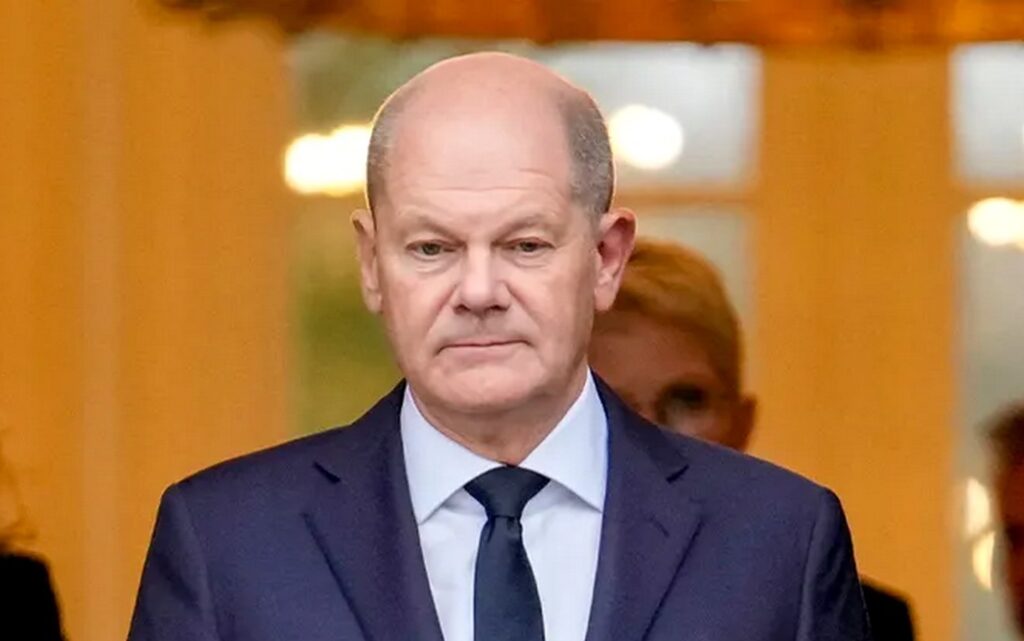
German Chancellor Olaf Scholz is facing a challenge from opposition conservatives who have called for a vote of confidence in his government to speed up early elections after the collapse of his coalition.
The ruling coalition collapsed on Wednesday after years of tensions that culminated in disagreements over how to plug a multi-billion-Euro budget gap and revive Europe’s largest economy, which is heading into its second year of contraction.
The collapse of the German government coalition came the day after the victory of the US Republican Party candidate, Donald Trump, and his return to the White House for a second term.
The collapse of the coalition could hamper Europe’s ability to unite on issues including the possibility of new US tariffs, Russia’s war in Ukraine and the future of NATO.
Scholz, who heads the center-right Social Democrats, said he had fired the finance minister, from the fiscally conservative Free Democrats, for opposing his plan to suspend the debt brake again in a bid to boost financial support for Ukraine and stimulate Germany’s struggling economy.
That led the FDP to withdraw from the government, leaving Scholz’s Social Democrats and the Greens in the fold.
The chancellor said he plans to hold a parliamentary vote of confidence in his government in January, a vote he is likely to lose, potentially triggering a new election by the end of March, six months before a vote scheduled for September.
Friedrich Merz, leader of the opposition conservatives who are leading by a large margin in opinion polls, said time was running out and the confidence vote should be held immediately, by the beginning of next week at the latest.
He added that elections could be held in the second half of January 2025.
At the moment, we simply cannot afford to have a government without a parliamentary majority in Germany for several months, followed by several more months of election campaigning and then perhaps several weeks of coalition negotiations… Time is crucial,” he told reporters.
Merz said he would urge Scholz to speed up the confidence vote at their scheduled meeting this afternoon.
Scholz may have to heed those calls because, because his coalition has collapsed, he will need to rely on a temporary parliamentary majority to pass any major decisions.
Carsten Brzeski, an economist at ING, said the political crisis comes at a sensitive time for Germany, which is struggling with a faltering economy, dilapidated infrastructure and an ill-equipped military.
He added, “The elections and the formation of a new government may contribute to ending the current state of paralysis that the country is going through, and provide a clear policy, which creates a more stable environment”.
A government spokesman said that Jörg Kukies, a senior official in the German chancellery and deputy finance minister, had been chosen to replace former finance minister Christian Lindner.
Kukies, who belongs to the Social Democratic Party, is considered a close confidant of Chancellor Scholz.