Germany: Increasing of the population with number foreigners rises
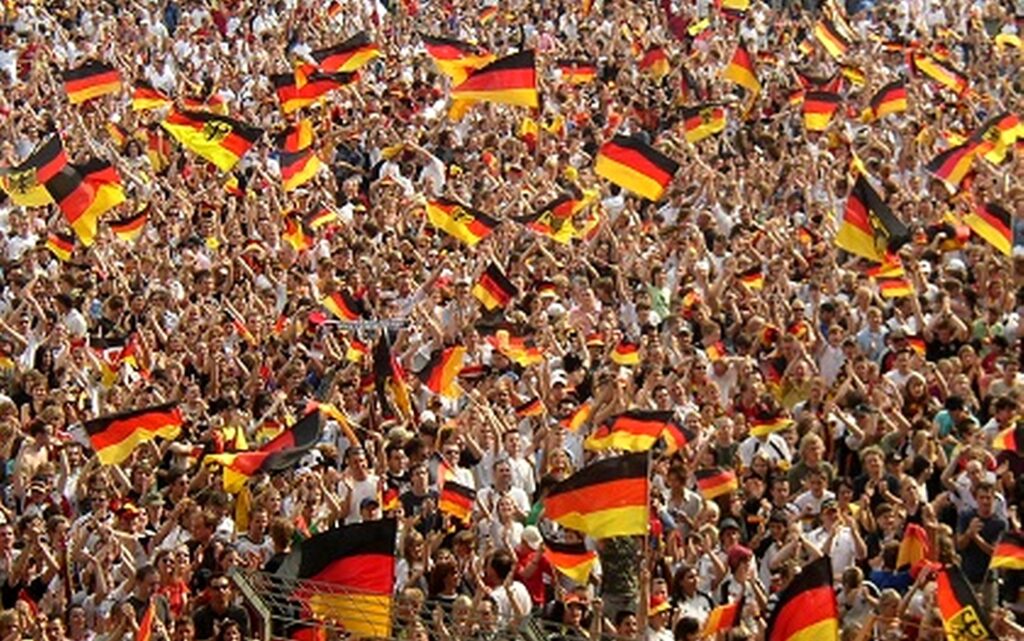
The Federal Statistical Office in Wiesbaden announced on Friday that Germany’s population will reach approximately 83.6 million by the end of 2024.
This represents a slight increase in Germany’s population of 121,000 people, or 0.1%, compared to 2023, which saw a 0.4% increase, or 338,000 people.
According to preliminary data, the number of deaths exceeded the number of births at a similar rate to 2023, with a difference of 330,000 people.
At the same time, the so-called migration balance—the difference between arrivals and departures—declined from 660,000 to 420,000 people.
As was the case in 2023, Germany’s population growth last year was therefore due to a greater number of immigrants than emigrants.
The population increased by 0.2% in the western German states, while it decreased by 0.3% in the eastern German states (excluding Berlin).
According to statistics, Bavaria recorded the largest absolute increase, with 73,000 residents.
Compared to the state population, Bavaria also saw the largest increase, as did Berlin and Hamburg, each with 0.6%.
In contrast, the largest population declines were in Thuringia, by 15,000 people (or 0.7%), Saxony (a decrease of 12,000 people or 0.3%), and Saxony-Anhalt (a decrease of 9,000 people or 0.4%).
According to the data, the number of people aged between 60 and 79 increased (2.2%), while the number of people aged between 40 and 59 decreased (1.4%).
The Census Bureau explained that the main reason for this is the transition of the baby boomer generation into the 60-79 age group.
The number of people aged 80 and over also increased (by 0.2%), meaning that 30.5% of Germany’s population was aged 60 or over as of the reference date.
According to the data, the foreign population increased by 2.3% to 12.4 million last year, while the German population decreased by 0.2% to 71.2 million.
The overall percentage of foreigners increased from 14.5% to 14.8%.
The age group from 20 to 59 years represented the highest percentage (19.7%), while those aged 60 years and older represented the lowest percentage (6.3%).
As in previous years, the largest group of foreigners in Germany were Turks (1.403 million), followed by citizens of Ukraine (1.085 million), Syria (889,000), Romania (771,000), and Poland (723,000).