Financial Times: Cold winter
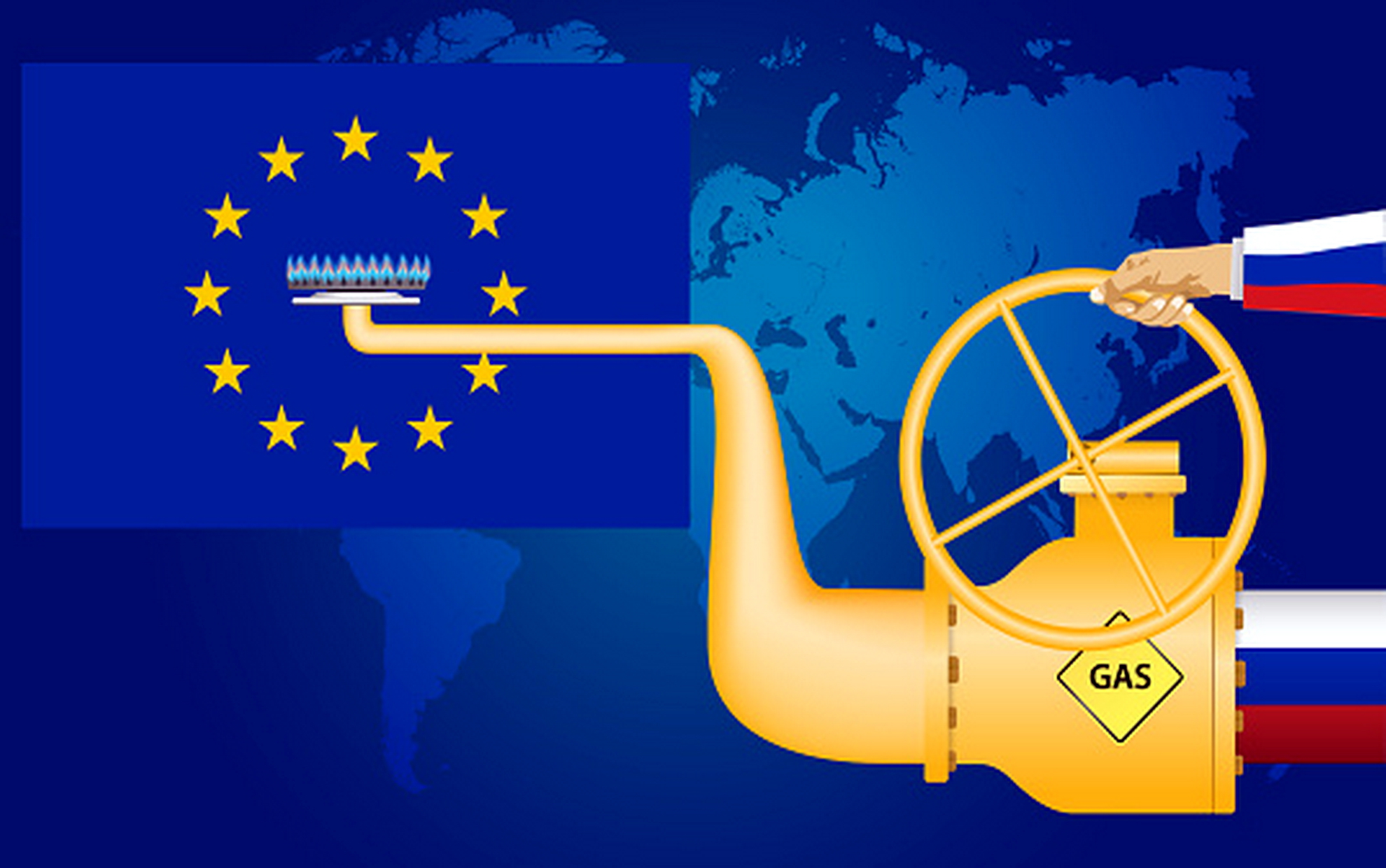
The Financial Times, reported on the energy crisis in Europe, caused by the war in Ukraine, and the resulting cold winter on the continent.
The report was prepared by Lex’s team at the newspaper, dedicated to helping readers make better investment decisions, by highlighting the most significant risks as well as opportunities.
The report indicated that the use of warm water in some German recreational centers has stopped.
In Spain, energy-saving measures have been introduced.
Offices, bars and shops are prohibited from setting the thermostat below 27°C in summer or above 19°C in winter.
The report considered that these restrictions reflect the severity of the energy shortage in Europe.
Higher prices also reduce consumption.
The International Monetary Fund said last week that most people need to adapt to the energy shock by reducing use.
Governments should protect only the poorest families.
The report added that Spain set a standard for other countries, by setting a maximum temperature of 19 degrees Celsius in winter.
The average temperature of homes in the European Union is more than 22 degrees Celsius, according to the International Energy Agency.
The agency says that reducing heating by one degree Celsius usually leads to a 7 percent reduction in energy bills.
Previously, the report says, people used to live in cooler homes.
In the four decades of 1970, average household heating in Britain nearly halved, from 12°C to 17.6°C.
The report noted that attitudes toward cooler rooms vary.
Researchers say that women prefer temperatures a few degrees higher than men.
It is also recommended that the homes of the elderly and sick be warm.
But there is limited evidence to support the World Health Organization’s recommendation for a minimum temperature of 18°C.
Small changes are important, the report said, such as delaying heating operation by a month until November.
This would save the family about 670 kilowatt-hours per year, or 5.5% of the building’s heating energy.
The report added that one could save more by wearing thicker jumpsuits and persuading roommates to do the same.
The heating temperature can then be reduced by up to two degrees Celsius.
The report concluded that politicians risk appearing paternalistic or insensitive if they offer energy-saving advice, however, rising energy prices will force people to put down.