DW: Germany is writing off parts of debts on countries specifically Arab countries
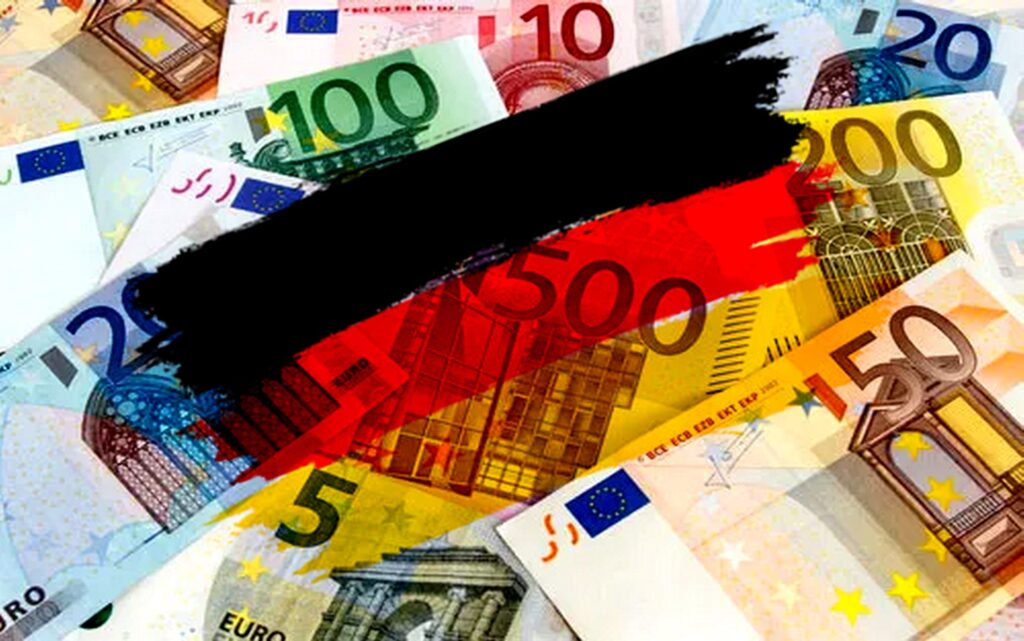
Germany is one of Europe’s most lending countries to poor or middle-income countries, currently lending a total of €12.2 billion to a number of countries around the world.
The first is Egypt with €1.4 billion all through financial cooperation, then there is India with €1.1 billion, China with 838 million euros and Zimbabwe with €889 million.
But Germany is also one of the countries that most abandons and cancels loans without reaching them, and the figure has now reached €15.8 million since 2000.
The latest figure was announced by the German Federal Ministry of Finance, which confirmed that the loans had been written off in response to a question from German parliamentarian Stefan Brandner of the right-wing populist opposition Alternative (AfD) party.
The country that benefited the most from debt write-offs was Iraq, whose claim for €4.7 billion was abandoned, followed by Nigeria with €2.4 billion, Cameroon with €1.4 billion and Zambia with €1.1 billion.
For Arab countries, Egypt is the second country to have its debt written off with about one billion Euros, followed by Sudan with 224 million and Jordan with 290 million.
It’s worth noting that some Arab countries have very weak debt write-offs, such as Tunisia with €30 million, Yemen with €92 million, Syria with €70 million and Algeria with €1.5 million.
In the list of Arab countries that borrow from Germany, is Syria with €458 million, Sudan with €359 million, Morocco with €274 million, Iraq with €316 million, Tunisia with €161 million and the Palestinian Authority with €15 million.
As for the goals of writing off part of these debts, the German Finance Ministry says that this allows debt relief and supports the economy of these countries, as well as making them able to pay part of their debts.
Germany provides a proportion of this debt through cooperation mechanisms within the Group of Seven countries.
But the write-off of these debts doesn’t appeal to some parties of the German opposition, as Brander said that Germany currently needs every cent due to the difficult economic situation in the country, pointing out that some countries whose debts have been written off didn’t meet the return of funds on later times, which means that the continued write-off of their debts encourages them to request more loans.
According to IMF figures, 60% of low-income countries currently have large debt, a new situation that wasn’t so bad, at least in 2015; This debt totals $600 billion in 73 poor countries around the world.
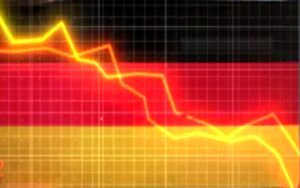
The amount of debt owed to Germany, i.e. €12.2 billion, is close to the deficit figure in the German public budget for this year, which is €17 billion, following a major crisis caused by the decision of the Federal Constitutional Court to illegally reallocate funds from the fight against Covid pandemic to efforts to combat climate change in the 2021 budget, a decision that was issued at the end of last year and cast a shadow on this year’s budget.
Germany’s sovereign debt in 2023 rose by €77.3 billion, or 3.3%, and the total debt of the federal government, states, municipalities and social insurance companies by the end of last year reached €245.5 billion.
Germany’s leading economic institutes have also significantly lowered their GDP growth forecast for 2024, expecting it to be 0.1%, due to a structural economic crisis; This forecast is well below the 1.3% forecast last year.
The problems of the German economy are largely due to high inflation rates since Russia’s invasion of Ukraine, the subsequent global economic recession, the decline in the value of exports from Germany, the rise in energy prices, the decline in domestic consumption, the relocation of many companies out of Europe due to high costs, as well as problems with labor, large spending in the social sector, and the cost of the German-led energy transition in Europe.
The populist Alternative for Germany (AfD) is looking for justifications to increase pressure on the current government, whose parties have fared badly in the recent EU elections, while the Alternative for Germany (AfD) has made a major breakthrough by coming in second place and is considered one of the most popular parties among young people.
The German government is also under pressure from the largest opposition party, the Christian Democratic Union (CDU), which in turn has come to adopt hardline positions towards spending in international cooperation and support for middle- or poor-income countries.