Tehran reveals details of the latest Iranian proposal rejected by Trump
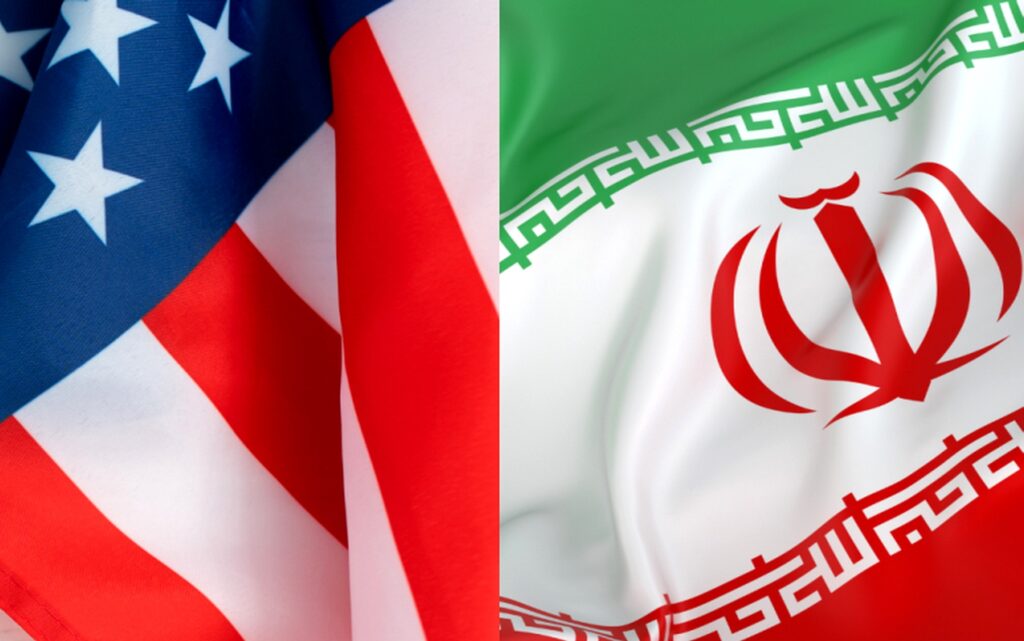
Kazem Gharibabadi, Iran’s Deputy Foreign Minister for Legal and International Affairs, revealed during a closed meeting with the National Security and Foreign Policy Committee of the Iranian Parliament, the most prominent proposals put forward by Tehran in the ongoing negotiations with the United States.
The official Iranian news agency IRNA quoted Gharibabadi as saying that the Iranian negotiating team is committed to national principles and policies that preserve the country’s sovereignty and strategic interests, stressing that the demands put forward reflect Tehran’s vision for the course of negotiations.
According to the agency, Iran emphasized several key points in its latest proposals, most notably:
- Its right to continue uranium enrichment and to utilize nuclear technology for peaceful purposes.
- Ending the existing conflicts in the region, including the Lebanese arena.
- Lifting the restrictions and the naval blockade imposed on Iran.
- Release of frozen Iranian funds and assets abroad.
- Completely lift US and UN sanctions.
- Compensating for war damages and contributing to reconstruction efforts.
- Withdrawal of US forces from the areas surrounding Iran.
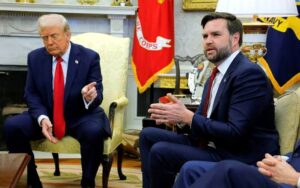
For his part, US President Donald Trump stated, Monday, that Washington and Tehran are close to reaching an agreement, telling reporters: “We went through periods where we thought we were close to reaching a deal, but things didn’t work out… The situation is a little different now”.
Trump also announced earlier that same day that extensive negotiations were currently underway with Iran, in an indication of a possible shift in the nature of communication between the two sides.
Trump revealed that the United States was preparing to launch an attack on Iran last Tuesday, but regional contacts and consultations prompted a pause and gave a chance to the ongoing negotiations.
This revelation came after US reports indicated that the Pentagon had prepared a list of targets for strikes against Iran, should Trump order new attacks on the country.
This development comes amid a tense situation on the ground, as in late April, the United States announced an extension of the ceasefire with Tehran until the conclusion of settlement negotiations, as during that period, the two sides held talks, but they didn’t yield any tangible results.
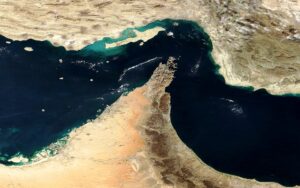
Since then, Washington has tightened its measures by imposing a blockade on Iranian ports, while Tehran has responded by closing the Strait of Hormuz, one of the world’s most vital waterways for oil transport, and has refused any further contact with the US side.
In a related context, Turkish Foreign Minister Hakan Fidan stated last Sunday that there is no reason preventing Iran and the United States from meeting on common ground through negotiations, indicating Ankara’s support for continued dialogue between the two sides.