Europe is turning to Africa leaving the United States and Middle East behind
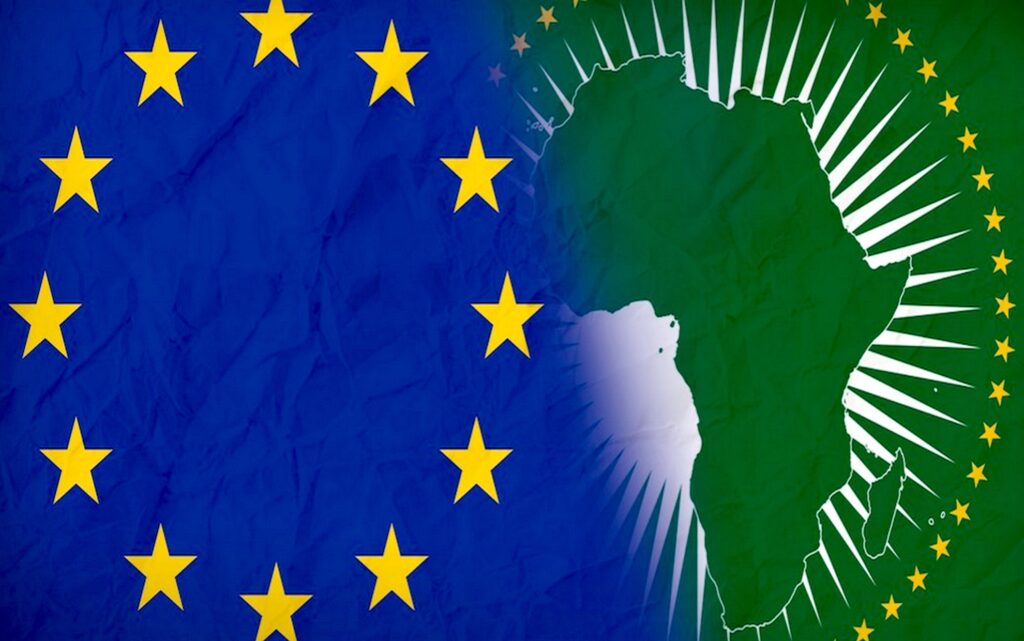
As relations with the United States grow increasingly strained and tensions over the Iran conflict test European ties with Middle Eastern partners, Europe is recalibrating its global alliances by deepening its engagement with Africa.
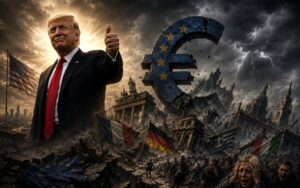
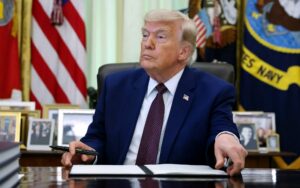
Europe’s relationship with Washington has become more complicated after former US President Donald Trump raised doubts about NATO’s effectiveness and called on European allies to shoulder more defense responsibilities.
Trump further hinted at the possibility of withdrawing from NATO, criticizing the alliance for not being responsive when needed.
“They haven’t been friends when we needed them,” Trump remarked, adding, “It’s a one-way street”.
In contrast, UK Prime Minister Keir Starmer reaffirmed NATO’s importance, calling it the most effective military alliance the world has ever seen, and underscored Britain’s full commitment to it.
Regarding the Israel-Iran conflict, Starmer distanced the UK from direct involvement, while supporting an international coalition to secure shipping routes in the Strait of Hormuz, and this isn’t our war, according to Starmer.
Meanwhile, the ongoing tensions in Iran and the blockage of the Strait of Hormuz have disrupted vital energy corridors, further highlighting Europe’s dependence on Middle Eastern oil and gas.
Despite pressure from Gulf allies like Saudi Arabia and the UAE, who have urged the US to continue pressuring Iran, Europe has opted for a more cautious stance, focusing on de-escalation rather than direct intervention.
This approach has sparked criticism from various international players, including Israel, the US, and Gulf states.
European leaders’ initial reaction to the conflict was described as distant and cautious, with a preference for restraint rather than action.
Europe’s subsequent involvement has been driven more by necessity than choice, with the continent stepping in to address critical energy shortages and regional security concerns.
With traditional supply routes becoming increasingly unreliable, Africa is emerging as a crucial alternative for Europe’s energy security.
The Strait of Hormuz, which historically supplied around 40% of Europe’s jet fuel, is now disrupted, pushing up prices significantly.
In response, Europe is turning to African suppliers to fill the gap. Shipments from West African countries such as Angola and Nigeria are expected to rise by 200,000 barrels per day, with total exports to Europe projected to reach 3.72 million barrels per day.
Italy, for example, has bolstered its energy cooperation with Algeria, securing over 30% of its natural gas supply from the North African nation, and similarly, Nigeria now accounts for over half of Portugal’s LNG imports.
The shift in energy sourcing is also reflected in the refined fuel markets, with shipments from the Dangote Petroleum Refinery in Nigeria now reaching major European ports like Amsterdam, Rotterdam, and Milford Haven in the UK.
This pivot towards Africa extends beyond energy, with Europe embracing a more strategic approach to its relations with the continent.
Moving away from traditional aid models, Europe is now pursuing partnerships focused on economic and security interests.
EU foreign policy chief Kaja Kallas recently visited Nigeria and Ghana, announcing a €288 million development package for sectors like healthcare, agriculture, finance, migration, and digital infrastructure.
In Ghana, Kallas also signed the first EU-Ghana Security and Defense Partnership, emphasizing the mutual security benefits for both regions.
The European Union has committed over €1 billion through its European Peace Facility and deployed several civilian and military missions to support African-led initiatives.
As Younous Omarjee, Vice President of the European Parliament, stated, Europe must revise its outdated aid-based approach and acknowledge that Africa’s development is crucial for Europe’s own prosperity.
“We’ve interests in Africa, and African countries have interests in partnering with Europe,” Omarjee concluded.