Reports: The United States and Saudi Arabia are on the verge of a huge deal that could change the balance of power in the Middle East
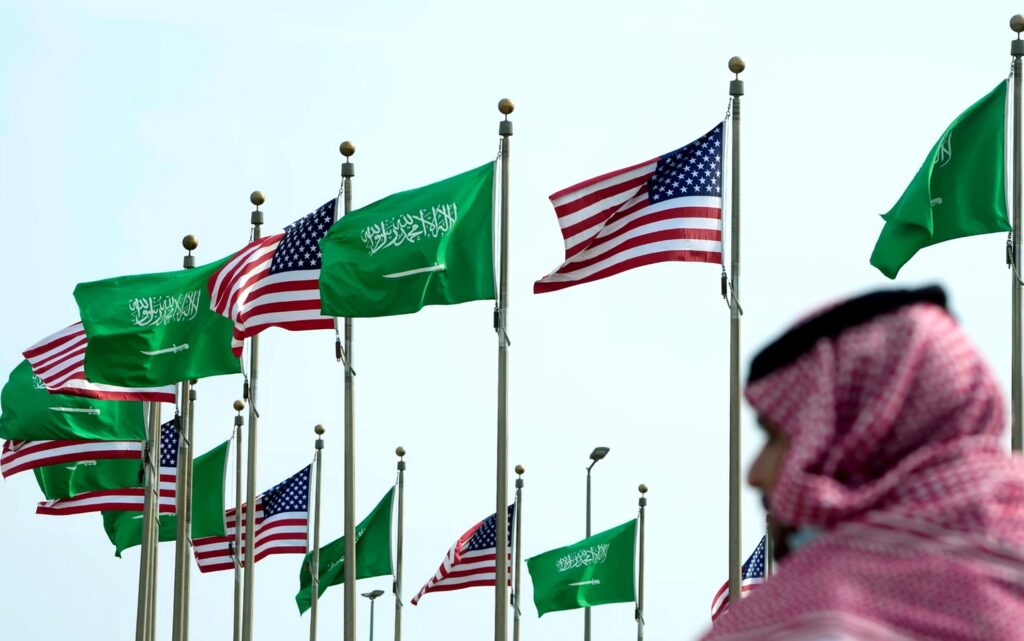
US Interior Secretary Doug Burgon’s remarks regarding nuclear negotiations with Saudi Arabia have sparked widespread reaction, particularly as they coincided with preparations for the Saudi Crown Prince Mohammed bin Salman’s visit to Washington.
Burgon explained that discussions with Riyadh are ongoing, expressing his expectation of a lot of activity leading up to the visit scheduled for November 18th.
He also expressed optimism about major announcements and the possibility of an agreement being signed during the meeting between the Saudi Crown Prince and US President Donald Trump after that round of talks.
This interaction comes in the wake of the earlier announcement that Saudi Arabia and Pakistan had signed a joint defense agreement, which sparked speculation about the possibility of nuclear technology being transferred from Islamabad to Riyadh.
According to what was published by the official Saudi Press Agency, the agreement aims to develop defense cooperation between the two countries and enhance joint deterrence against any aggression, as it stipulates that any attack on one of the two countries is considered an attack on both of them.
This was based on the historical partnership spanning eight decades, the bonds of brotherhood and Islamic solidarity, and the shared strategic interests between the two sides.
Despite the declared peaceful nature of the nuclear agreement between Saudi Arabia and the United States, this project faces a number of political, technical and security challenges that may hinder its implementation or affect its future course.
The first of these challenges is the issue of uranium enrichment and nuclear fuel reprocessing, as the question of whether Saudi Arabia will be allowed to conduct these activities within its borders remains unresolved.
Washington believes that domestic enrichment could open the door to non-peaceful uses of nuclear technology, while Riyadh considers it a sovereign right consistent with its goals of achieving nuclear energy self-sufficiency.
The second challenge concerns international safeguards and oversight, as nuclear cooperation between the two sides requires strict adherence to the standards of the International Atomic Energy Agency (IAEA) and the signing of additional protocols that allow for comprehensive inspections, ensuring full transparency at all stages of the project.
Some parties fear that any laxity in implementing these controls could raise doubts about the intentions of the nuclear program in the future.
On the other hand, regional and international concerns are mounting that Saudi-US nuclear cooperation could ignite a nuclear arms race in the Middle East, especially given the ongoing tensions with Iran and the efforts of some countries in the region to develop similar nuclear programs.
These concerns make the Saudi nuclear program a sensitive issue in the security calculations of the United States and its allies.