Washington plans to establish a Kurdish autonomous rule in northern Syria
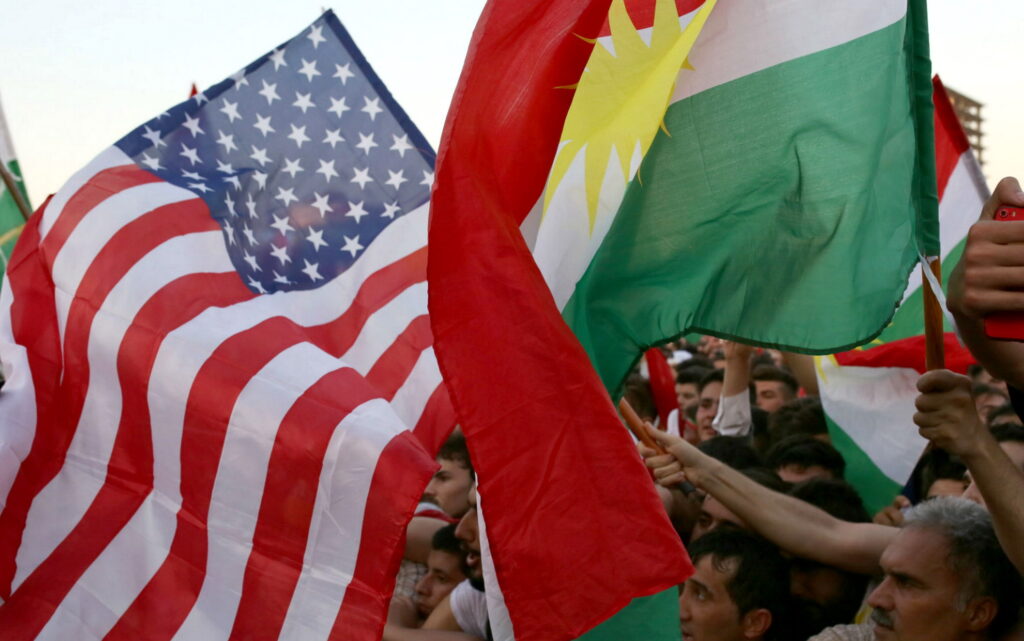
Syrian Kurdish sources revealed that the United States is considering establishing a consulate in the city of Qamishli in Hasakah Governorate, a move seen as American support for strengthening autonomy in northeastern Syria, the region controlled by the Kurdish Autonomous Administration.
According to the affairs of the Autonomous Administration, US officials informed their Kurdish counterparts of Washington’s intention to open a diplomatic mission in Qamishli, as part of a US approach to support a decentralized or federal model of governance east of the Euphrates River.
According to the source, this move coincides with a US decision to reduce its military presence in Syria, reducing the number of its bases from eight to just one.
This decision came as a result of extensive consultations between Washington and the Syria Democratic Forces (SDF), whereby it was agreed to hand over the withdrawn bases to the SDF, which Washington considers the most reliable local partner within the international coalition.
This new military arrangement indicates that a symbolic presence of the US-led international coalition will remain in Syria, under the pretext of fighting ISIS.
The source confirmed that northeastern Syria has effectively come under the direct influence of the international coalition, in a scene that closely resembles the Kurdish experience in the Kurdistan Region of Iraq after 2003.
He pointed out that the continued US presence—both diplomatic and military—means that US influence in the region will remain, limiting the chances of any foreign intervention, especially by Türkiye, even in the event of a complete withdrawal of US forces.
US envoy to Syria, Thomas Barrack, had previously announced plans to reduce the US military presence in Syria, stating that the number of bases would be reduced to just one.
Indeed, US forces withdrew from the al Omar and Conico bases in Deir al Zour provinces, with the SDF taking over these facilities and converting them into military barracks.
This withdrawal came as part of a plan to reposition and reduce the US military presence in Syria, while maintaining cooperation with local partners to combat ISIS.