Argentina: Milei’s controversial reforms passes the first test in the National Congress
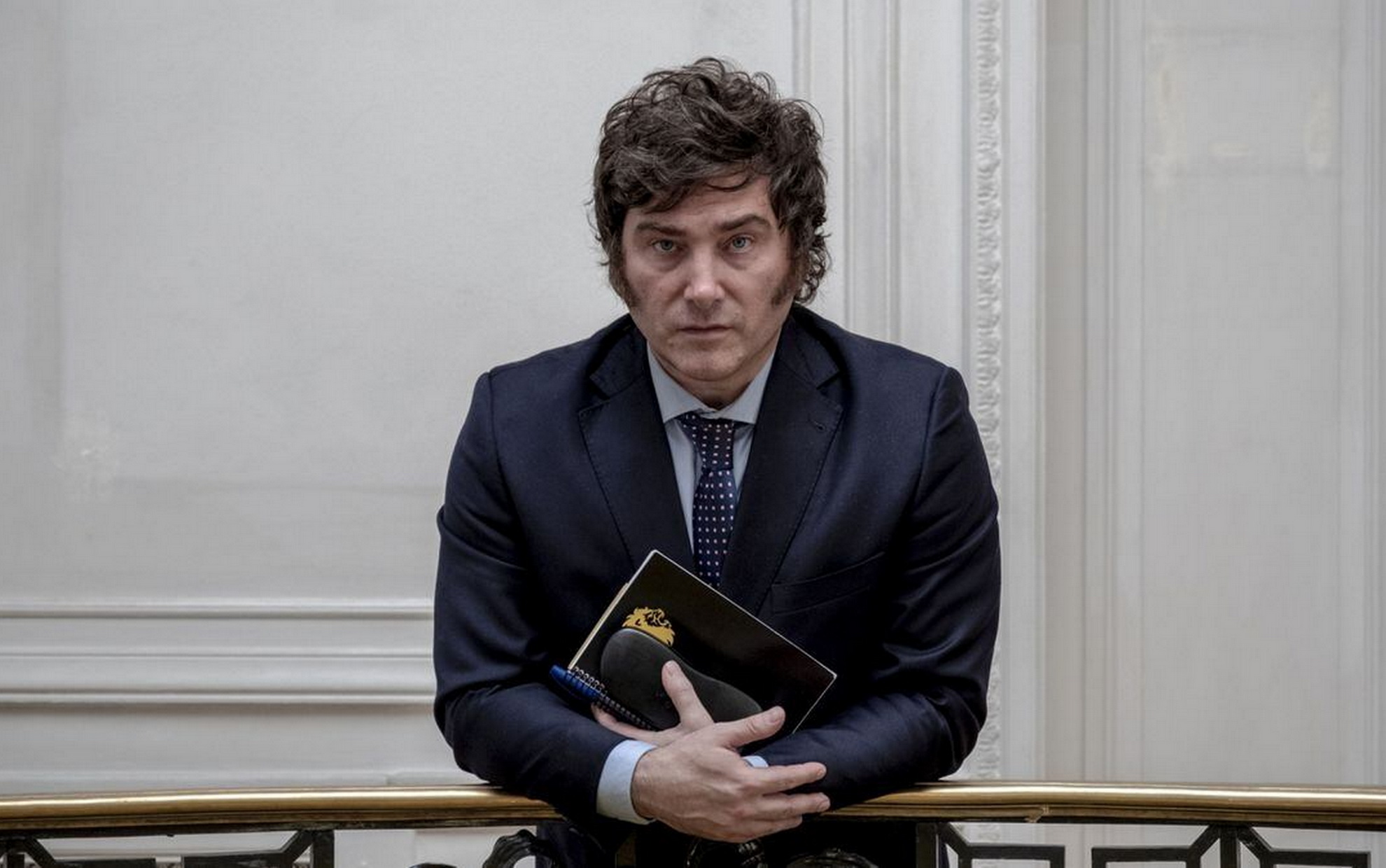
Argentine lawmakers took a first step on Friday towards approving the comprehensive economic, social and political reform package proposed by the government of President Javier Milei, which sparked angry protests from the opposition.
The draft law received general approval in principle in the House of Representatives of the Argentine National Congress, whose members will study Millei’s projects in detail next week.
Before the vote, Millei, 53, said on social media that lawmakers have “the opportunity to show the side of history” they want to be on.
“History will judge them according to their work on behalf of Argentines or the continued impoverishment of the people,” a presidential statement said.
Javier Milei achieved a resounding victory in the elections that took place last October, benefiting from a wave of anger due to decades of economic crisis in the South American country, where annual inflation exceeds 200% and poverty levels reach 40%.
Javier Milei began his term by devaluing the peso by more than 50%, reducing government subsidies for fuel and transportation, halving the number of ministries, and canceling hundreds of measures to liberalize the economy.
His reform package affects many areas of public and private life, from privatization to cultural issues, the penal code, divorce, and the status of football clubs.
The House of Representatives initially approved the package by a majority of 144 votes to 109 on the third day of a marathon debate accompanied by protests and confrontations in front of Parliament.
The bill may be subject to amendments before it’s referred to the Senate.
“We’ve two clear choices: either we become the largest slum in the world, or we continue this path towards prosperity and freedom,” said Lorena Viaverde, a representative of the far-right “Freedom Progress” party led by Milei.
But opposition lawmaker Leandro Santoro pointed to the economic and social crisis of 2001 as an example of the dangers of free market reforms.
“We Argentines know what happens when the economic model focuses on adaptation and deregulation,” he said.
On Friday, police fired tear gas again at crowds of demonstrators in front of Parliament.
This came just over a week after tens of thousands of Argentines took to the streets in major challenge to Millei’s budget-cutting policies.
In support of Millei’s reforms, the International Monetary Fund agreed on Wednesday to disburse about $4.7 billion to Argentina.