Moscow: The US-Russian meeting on the New START treaty has been postponed indefinitely
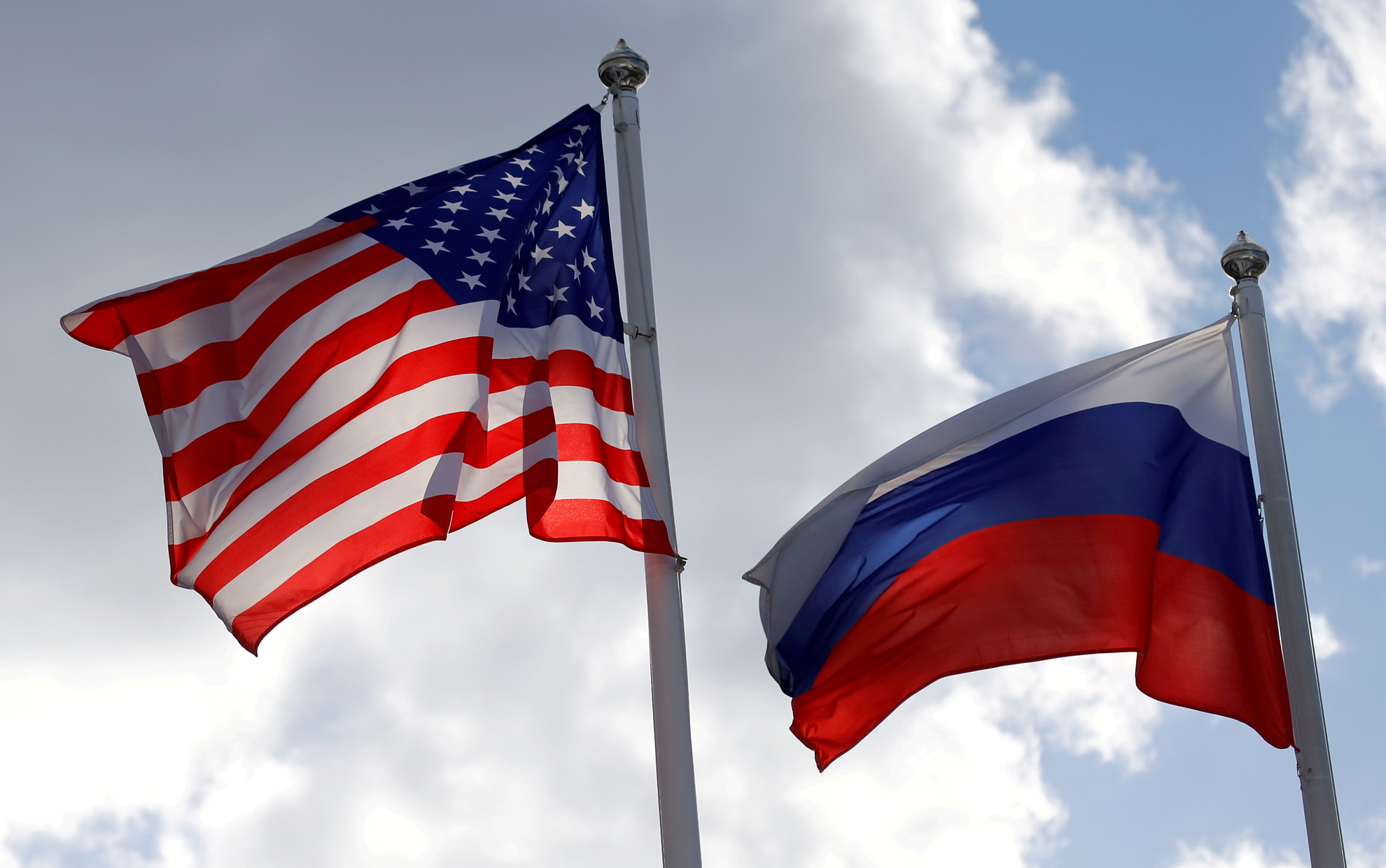
The Russian Foreign Ministry announced Monday that the meeting between Russia and the United States to discuss the possibility of resuming inspections under the New START treaty, the main nuclear disarmament agreement between the two powers, has been postponed indefinitely.
The Russian Tass news agency quoted the Ministry of Foreign Affairs as saying that “the meeting of the bilateral advisory committee within the framework of the New START treaty, which is initially scheduled to be held in Cairo between November 29 and December 6, won’t take place on the specified date, and it’s postponed indefinitely”.
According to Washington, Moscow didn’t give a justification for postponing the scheduled meeting in Cairo.
“We haven’t received a real answer from the Russians to explain the reasons that prompted them to postpone the meeting,” said John Kirby, a spokesman for the US National Security Council.
Kirby expressed his hope to resume discussions “as soon as possible,” stressing “the importance of this matter not only for the two countries, but also for the rest of the world”.
The postponement comes in the ninth month of the Russian attack on Ukraine, at a time when tensions between Moscow and the West have reached their peak.
Washington announced the meeting in early November, expressing its hope for a constructive meeting, noting the importance of continuing to talk with the Russians about reducing risks despite the war in Ukraine.
The last meeting of this advisory committee is in October 2021.
In early August, Russia announced the suspension of planned US inspections at its military sites under the New START treaty, stressing that this is a response to US sanctions against similar Russian inspections in the United States.
The New START treaty is the latest bilateral agreement of this kind linking the two major nuclear powers in the world.
The treaty was signed in 2010. It limits the arsenals of the two nuclear powers to a maximum of 1,550 nuclear warheads each, which represents a reduction of about 30% compared to the previous ceiling set in 2002.
It also limits the number of strategic launch vehicles and heavy bombers to 800, which is enough to destroy the Earth several times.
In January 2021, Russian President Vladimir Putin extended it for five years, until 2026.