Biden: There will be consequences for Saudi Arabia after its decision to reduce oil production
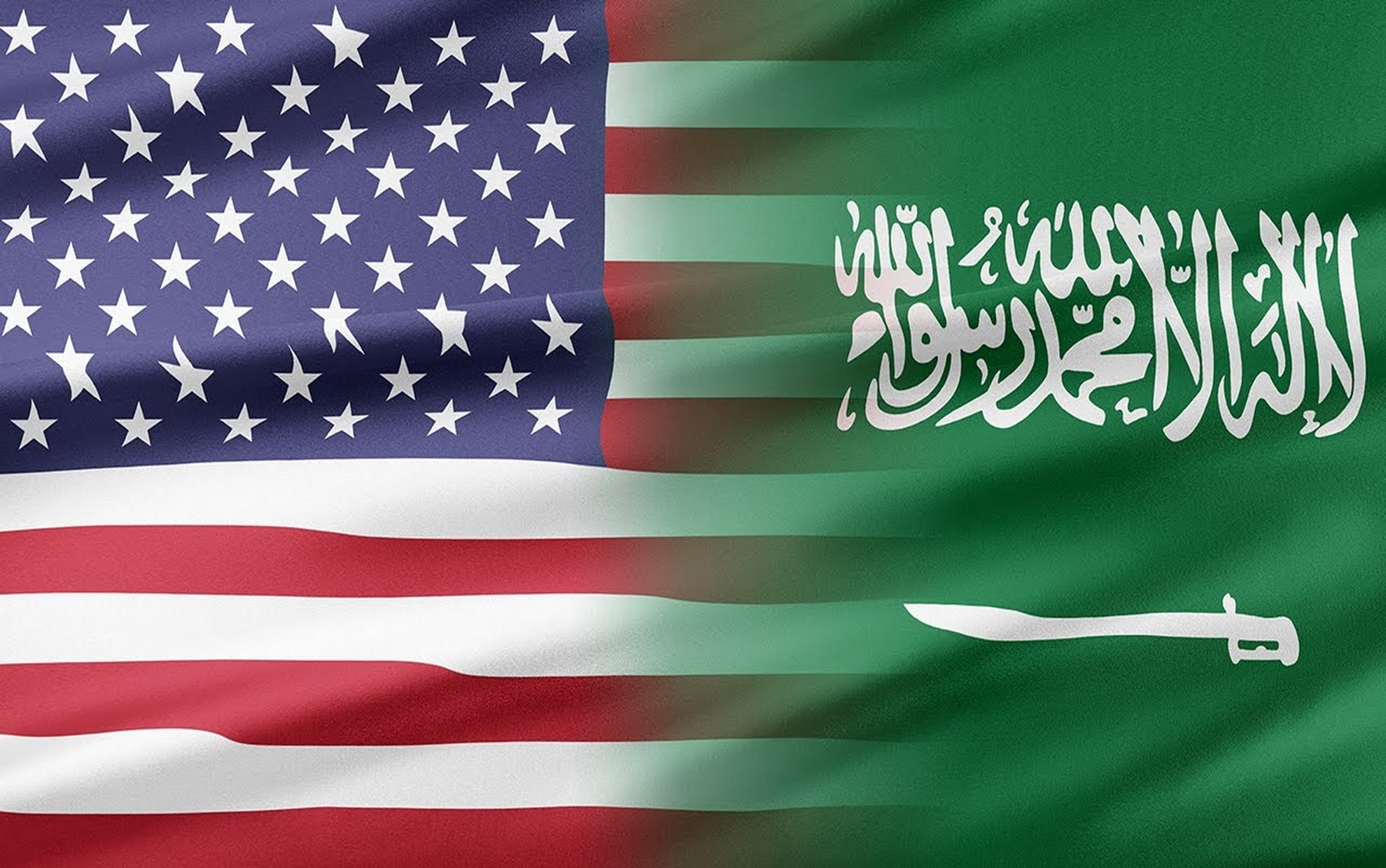
The US President Joe Biden confirmed in an interview with CNN on Tuesday that “there will be consequences” for Saudi Arabia due to its decision in the framework of the OPEC Plus oil alliance last week to reduce production quotas.
Biden didn’t specify what decisions his administration could take in response to the Saudi decision, but US National Security Council spokesman John Kirby said earlier on Tuesday that the president had ordered a re-assessment of the relationship between the United States and Saudi Arabia after this diplomatic slap it received.
Washington from Riyadh, while influential deputies called for a halt to arms deliveries to Riyadh.
Kirby told CNN that the US president “has been very clear that we have to continue to reassess this relationship and we have to be prepared to reconsider it”.
He added that Joe Biden “is willing to work with Congress to think about what this relationship should look like in the future”.
“He wants to start these consultations now, and I don’t think it will have to wait or even that it will take time” Kirby said.
The OPEC Plus alliance, which includes members of the Organization of Petroleum Exporting Countries (OPEC) led by Saudi Arabia and the ten partners led by Russia, decided last week to reduce production quotas, in what was considered a diplomatic failure for Joe Biden, who visited Saudi Arabia in July to meet Crown Prince Mohammed bin Salman after he vowed By making the Kingdom a pariah state on the international scene, following the murder of journalist Jamal Khashoggi.
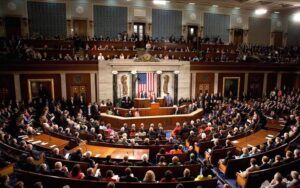
The decision of the oil cartel sparked a wave of resentment among members of the US Congress.
On Monday, the chairman of the Senate Foreign Affairs Committee threatened to block any future arms sales to Saudi Arabia.
“I’ve to deplore the recent decision by the Saudi government to help support Putin’s war in Ukraine through the OPEC cartel,” Democratic Senator Bob Menendez said.
Two other Democrats, Senator Richard Blumenthal and Representative Ro Khanna, wrote a similar column in Politico: “America shouldn’t grant such unlimited control of strategic defense systems to a nation seemingly allied with our greatest enemy”.
In August, Washington announced the sale of 300 Patriot missiles and equipment to Saudi Arabia for $3.05 billion.
The partnership between the United States and Saudi Arabia was established after the end of World War II, which provided the Kingdom with military protection in exchange for the Americans’ access to oil.
Former President Donald Trump has re-energized the crisis-ridden strategic relationship, with massive arms sales.