Deutsche Welle: Berlin allows Ukraine to use its weapons to target the Russian interior
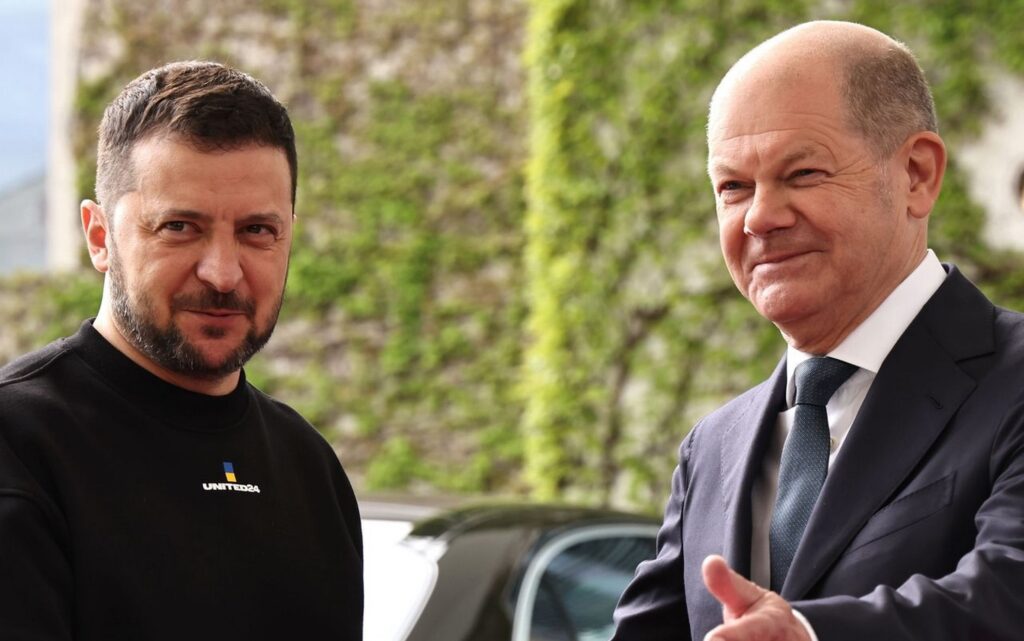
German Chancellor Olaf Scholz’s spokesman said Friday that Berlin has granted Ukraine permission to use weapons supplied by Berlin to strike targets inside Russia, a day after a similar US decision was revealed.
Steffen Hepstereit said in a statement that Kiev had the “right to defend itself under international law” against attacks from areas inside Russia near the border with Ukraine.
“To this end, it can also use the weapons it has been supplied with for this purpose,” he said. including the weapons, we supplied,” Hepshtrit added.
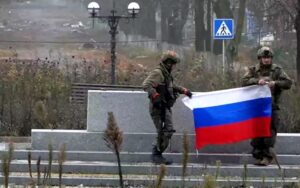
Russia had increased recently attacks from its territory in recent weeks, especially around the northeastern Ukrainian city of Kharkov, where Russian forces have opened a new front.
Germany, Kiev’s biggest arms backer after the United States, has delivered kits of military equipment to Ukraine including heavy artillery and rocket launchers.
Berlin has so far been reluctant to allow Ukraine to use German weapons to strike targets inside Russia for fear of escalating the conflict, but as Ukrainian forces come under increasing pressure, Ukrainian President Volodymyr Zelensky has appealed to Western allies to send more weapons and free his military to use what it has received before.
The issue was on the agenda when French President Emmanuel Macron visited Germany earlier in the week. Macron said Tuesday at a news conference with Scholz that Kiev should be allowed to neutralize Russian military bases used to launch missiles into Ukraine.
On Thursday, officials in Washington said President Joe Biden had lifted restrictions on US weapons to allow Kiev to strike targets in Russia in defense of the Kharkov region.
Foreign ministers of NATO member states are due to meet in Prague on Friday to discuss how to coordinate military aid to Ukraine.
On the second day of a two-day meeting, ministers will seek to make progress in talks on a 100 billion Euro ($108 billion) proposal put forward by NATO Secretary-General Jens Stoltenberg to transfer responsibility for aid coordination from an informal US-led initiative to formal NATO structures.
So far, NATO member states are coordinating military aid not through NATO itself, but through the US-led Ukrainian Contact Group.
NATO’s position is that it’s not a party to the conflict between Russia and Ukraine, however, the contact group’s reliance on US coordination has alarmed
European allies say it could falter if the US presidential election in November brings former President Donald Trump back to the White House, where they are skeptical of his support for Ukraine’s war effort.
NATO Secretary-General Jens Stoltenberg’s proposal was met with resistance, in part because some allies prefer to continue providing military assistance outside NATO.
Another reason is that pledges made through NATO may be more binding.