The US Senate rejects bill restricting Trump’s military powers
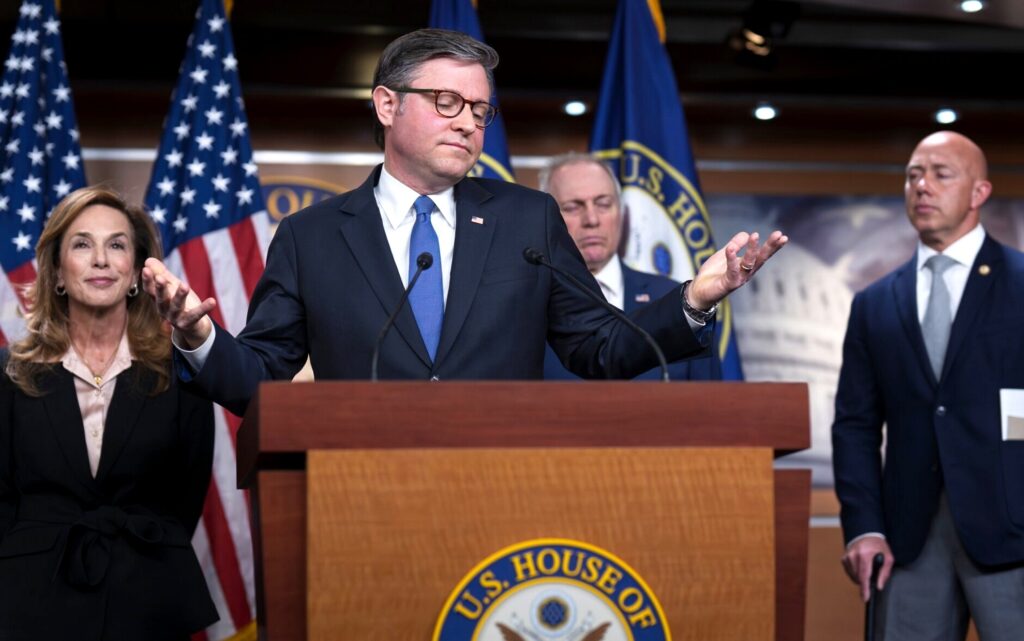
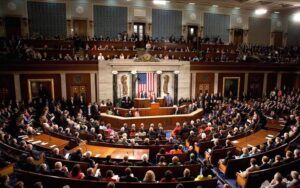
In a development that reflects the continued polarization within Washington even in the midst of the ongoing conflict, US senators, both Republican and Democratic, rejected a resolution aimed at restricting President Donald Trump’s powers to launch offensive military operations without prior congressional approval.
The refusal came at a time when the United States, in cooperation with Israel, is waging a full-scale war against Iran, reigniting the debate over the president’s powers as commander-in-chief versus Congress’s constitutionally granted power to declare war.
The bill, introduced by some lawmakers, sought to prevent the president from using federal funds to conduct offensive military operations against Iran unless he received explicit authorization from Congress or in cases of self-defense against an imminent attack.
The move came against the backdrop of growing fears that the United States could slide into an open and protracted war in the Middle East without the consent of lawmakers, who represent the American people.
Despite the bipartisan nature of rejecting the resolution, the motives appear to be different.
While Democrats see the president as overstepping the bounds of his power, Republicans appear to have preferred not to restrict the powers of a president from their own party in the midst of a major battle, arguing that it could send a message of weakness to opponents.
This refusal doesn’t necessarily mean giving the president an absolute green light, but rather reflects the complexity of the US political landscape, where priorities clash between supporting the armed forces on the ground and constitutional oversight of war and peace decisions. The development comes at a time of growing calls within Congress for more detailed briefings on the war’s goals, duration, and exit strategy.
The Senate’s rejection of this bill keeps the situation intact, and keeps President Trump in the military initiative.
But at the same time, it leaves the door open for the continuation of the heated debate in Washington about the limits of wartime executive power, a debate that will grow fiercer as the conflict drags on and its calculations become more complicated.