The names of the Iranian and US delegations in the talks

On Saturday, the Pakistani capital, Islamabad, witnessed a new round of talks between Iran and the United States, amid an atmosphere charged with mistrust, as the gap between the two sides remained clear regarding the fundamental issues on the negotiating table.
The Iranian delegation arrived first, headed by Parliament Speaker Mohammad-Bagher Ghalibaf, a former Revolutionary Guard commander, under tight security measures in the city.00:40
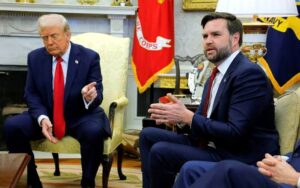
Shortly after, the US delegation arrived, led by Vice President J D Vance, known for his hardline stances within the “America First” movement, along with his calls to end conflicts even if it requires the use of force, without engaging in long wars abroad.
Vance’s plane landed in the morning at Nur Khan military base, before he headed directly to the meeting venue in Islamabad.
The US delegation includes a number of prominent figures, including Special Envoy Steve Witkoff, Jared Kushner, the son-in-law of the US president, as well as officials from the State and Defense Departments, along with members of the National Security Council.
According to sources, Vance’s participation in leading the delegation is partly due to previous tensions between the Iranian side and some representatives of the US administration during previous rounds of negotiations.
In contrast, the Iranian delegation includes prominent figures such as Ali Akbar Ahmadian, Secretary of the Defense Council, and Ali Bagheri Kani, along with Kazem Gharibabadi, and the Iranian Ambassador to Pakistan, Reza Amiri Moghaddam.
The delegation is also accompanied by a large number of experts in the economic, security and political fields, in addition to a media team and teams specializing in coordination and protection.
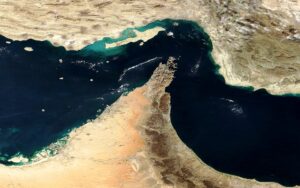
US President Donald Trump has stressed on more than one occasion that the main objective of these negotiations is to ensure that Iran doesn’t possess a nuclear weapon, in addition to securing navigation in the Strait of Hormuz, warning of the possibility of resuming military operations if an agreement isn’t reached.
In contrast, Tehran is holding firm to its conditions for entering into direct negotiations, foremost among them the lifting of sanctions on its frozen assets abroad, and a comprehensive ceasefire, including on the Lebanese front.