The German government intend to borrow €170 billion over two years to support the budget
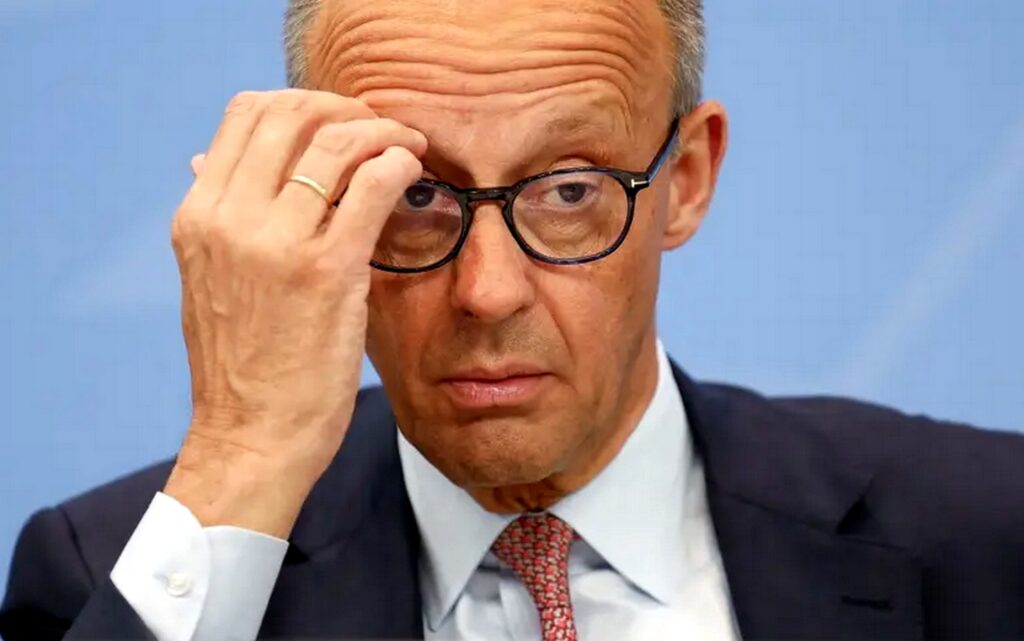
German Finance Minister Lars Klingbeil plans to borrow approximately €170 billion ($195 billion) over the next two years for budget spending.
It’s worth noting that while the value of new loans taken out by the German government in last year’s budget amounted to €33.3 billion, the value of these debts in this year’s budget is expected to more than double to €81.8 billion, and to €89.3 billion in 2026.
The reason for this potential increase in new loans is due to an agreement between the two parties of the ruling coalition, headed by Chancellor Friedrich Merz, before the chancellor’s election to ease the debt brakes and establish a special fund worth 500 billion Euros to renew the country’s infrastructure.
This year alone, €75 billion in new debt has been allocated to the German military, population protection, intelligence services, and aid to countries subject to attacks “in violation of international law,” such as Ukraine.
These sums would have been difficult to finance without the relaxation of borrowing restrictions, but the amendment to the German constitution theoretically allowed Germany to spend unlimited amounts in these areas.
According to calculations by the German Finance Ministry, €32.1 billion of these investments will now be financed through new loans.