Pakistani mediators: The leads are in Moscow’s hands and President Putin’s most important card
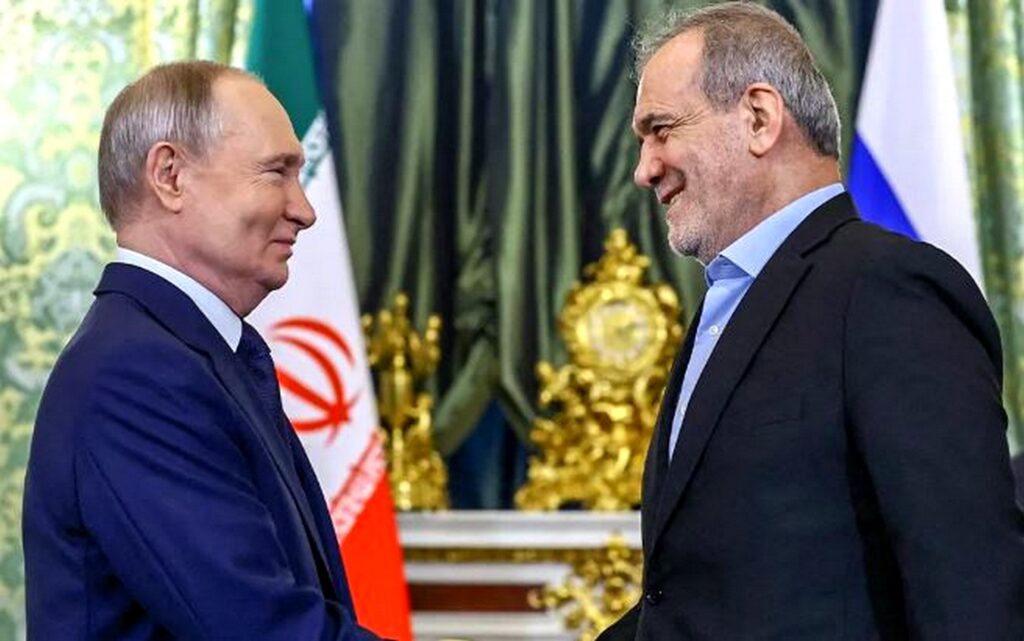
Pakistani mediators emphasize that the diplomatic track remains open but constrained, with decisive leverage increasingly concentrated in Moscow.
According to sources in Pakistan, backchannel contacts with both United States and Iran continue at a technical level, yet substantive breakthroughs are unlikely without alignment with Vladimir Putin’s broader strategy.
Diplomats describe a layered process in which Islamabad’s role is to maintain communication lines and reduce escalation risks, while key guarantees and sequencing proposals are being shaped in Moscow.
This includes discussions on sanctions relief frameworks, regional security assurances, and verification mechanisms that would be acceptable to Tehran while remaining politically viable in Washington.
Sources add that Russian involvement is viewed by Tehran as a stabilizing factor, given longstanding strategic coordination and mutual interests in counterbalancing Western pressure.
This perception has positioned Moscow as a “confidence broker,” capable of bridging gaps that other mediators have struggled to address.
At the same time, US officials are said to be cautiously receptive to indirect Russian facilitation, particularly if it leads to verifiable limits on Iranian nuclear activities and reduces the risk of regional escalation.
However, skepticism persists within parts of the American policy establishment regarding Moscow’s intentions, especially amid broader geopolitical tensions.
Pakistani officials stress that their mediation effort isn’t intended to compete with Russian influence but to complement it by ensuring continuous dialogue and preventing breakdowns in communication.
They characterize the current phase as pre-negotiation structuring, where frameworks are tested informally before any formal agreement is attempted.
The outcome, according to these sources, will depend on whether Moscow can translate its diplomatic positioning into concrete compromises acceptable to both Tehran and Washington—an outcome that would significantly reshape the regional balance and reinforce Russia’s role as a central geopolitical broker.