New York Times: Trump’s recent decisions and the revocation of citizenship are looming
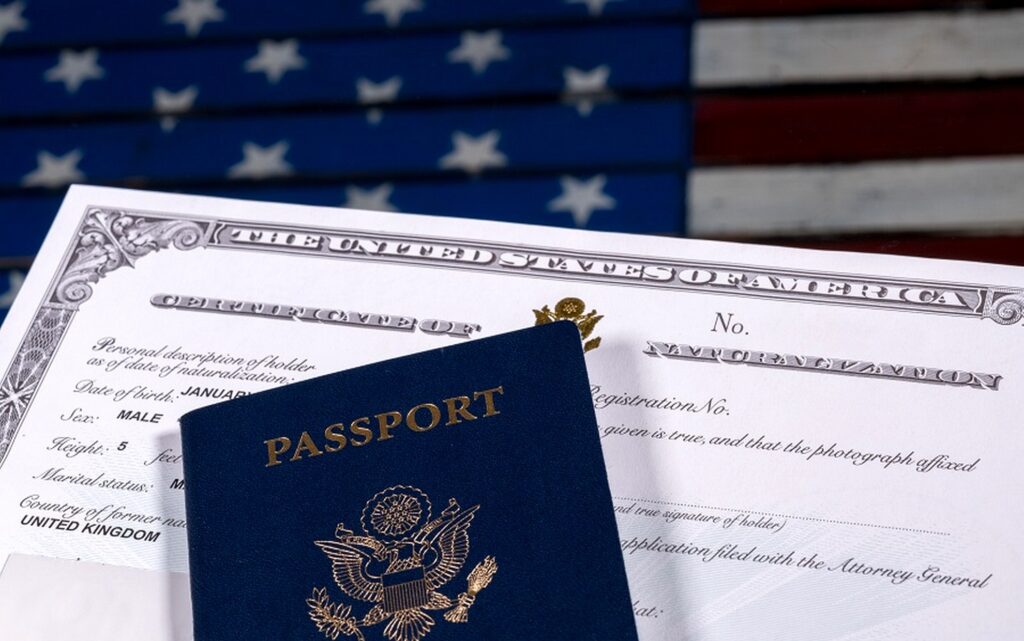
In an unprecedented escalation that goes beyond the limits of deporting irregular immigrants, internal documents obtained by The New York Times have revealed an ambitious and controversial plan by President Donald Trump’s administration to review and revoke US citizenship from thousands of citizens who obtained it through naturalization.
While the Department of Justice has recorded only about 120 cases of revocation of citizenship since 2017, new guidance leaked from USCIS shows a drastic shift, with field offices being required to transfer between 100 and 200 cases per month during fiscal year 2026.
These monthly quotas mean that the administration plans to raise the pace of citizenship revocation to levels that are tens of times higher than in previous years, raising broad legal and human rights concerns.
Under federal law, citizenship can only be revoked in very narrow cases, but the current administration intends to focus on:
- Fraud and forgery: Prosecuting anyone who has provided misleading information or false documents during the application process.
- Vulnerabilities in naturalization files: Audit the integrity of the system to ensure that citizenship was granted in a 100% legal manner.
According to a USCIS spokesperson, the agency is making restoring the integrity of the immigration system a top priority by prosecuting those who lied in their applications.
Former officials have expressed deep concern that the revocation of citizenship file could be turned into a political tool.
Experts believe that setting digital goals (quotas) for each field office can lead to:
- Random prosecution: Pressure employees to achieve the required numbers regardless of the strength of the evidence.
- Destabilization: Causing anxiety to 26 million naturalized Americans, especially the 800,000 who obtained citizenship under the Biden administration.
The process isn’t as easy as it seems; once the files are identified by USCIS, they are referred to the Department of Justice to begin a legal battle in federal court.
The burden is on the government to prove that the person acquired citizenship on the basis of misleading or outright illegal information.