Calcalist: Israel is experiencing unprecedented international isolation
According to the Israeli Calcalist newspaper, that after 14 months of war on the Gaza Strip and Lebanon, Israel is living in unprecedented international isolation.
The economic newspaper said, “After 14 months of war, Israel is living in unprecedented international isolation, bleeding not only from within, but also from without”.
Every day that passes, the siege on Israel tightens more, starting with foreign airlines that have disappeared from the Ben Gurion Airport signboard, passing through governments that refuse to sell it weapons, artists whose shows were canceled because of their identity, to academic cooperation that suddenly stopped, and international infrastructure companies that decided to withdraw from Israeli projects.
Calcalist pointed out that sometimes the boycott is visible, and often its gray, sometimes justified by security motives, and sometimes it has no name or reason, but it does exist.
Calcalist stressed, “Each of us is affected by this isolation, which is reflected in our financial situation, our freedom of movement, our choices to define our identity as Israelis, and the way we view ourselves”.
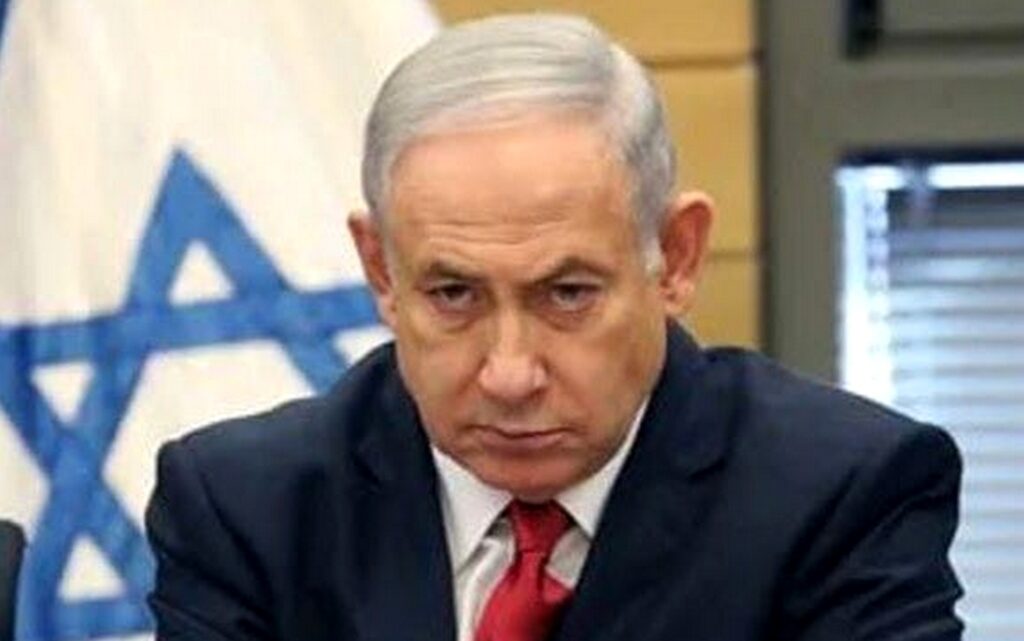
The Calcalist newspaper believes that the International Criminal Court’s decision to issue arrest warrants against Prime Minister Benjamin Netanyahu and former Defense Minister Yoav Galant, on suspicion of committing war crimes and crimes against humanity, will have consequences for foreign investments in Israel.
According to the Israeli said, “For example, the Norwegian Capital Fund, which doesn’t invest in arms companies due to ethical rules, doesn’t invest in countries suspected of committing war crimes”.
Calcalist added, “This is the problem of the silent boycott, which may be exacerbated by the arrest warrants, pushing Israel further into being classified as a pariah state”.
It also pointed out that more than 300 Israeli researchers have suffered from an academic boycott since the beginning of the war, which has manifested itself in preventing the publication of articles, canceling interviews and lectures, preventing participation in conferences, preventing research partnerships, delaying or canceling student exchanges and canceling research grants.
These boycotts join the demonstrations that have taken place in American universities over the past year.
In addition, the newspaper reported that dozens of international airlines have suspended flights to and from Tel Aviv.
Of the 66 airlines that were operating here on the eve of the war, 20 are still operating, including Israel Airlines, and 5 private Israeli companies, leaving only 14 foreign airlines operating.
Regarding the long-term impact on Israeli tourism, the newspaper said, “Domestic tourism has taken a major hit, and foreign tourism has become significantly more expensive”.
Calcalist quoted the Hotel Association as saying that 90 hotels (20% of the hotel industry) have been closed since the start of the war”.
Since the beginning of 2024, the number of overnight stays by tourists has dropped by 79% (1.6 million compared to 7.5 million in the same period last year).
The newspaper added, “At the same time, ticket prices to destinations in Europe have risen to thousands of dollars, supply has declined, and destinations that can be reached by direct flights have shrunk”.
“The departure of foreign airlines from Tel Aviv, whether for commercial or political reasons, also results in a 30% jump in air freight prices,”
Calcalist quoted Ron Tomer, head of the Israeli Manufacturers Association, as saying, “the ICC’s decision to issue arrest warrants for the prime minister and former defense minister hurts the entire country, including industry”.
“A person in the world hears about Israel starving citizens in Gaza and depriving them of medical care, and begins to ask himself whether he really wants to work with a country that does such things?”
The newspaper confirmed that the war in Gaza and Lebanon led to a wave of boycotts of the local industry.
The largest and loudest is the Turkish boycott, according to Calcalist.
The largest and loudest boycott was the Turkish boycott that was imposed last May, and intensified last October.
On another note, Calcalist pointed out that few international artists are willing to perform here, and few are willing to give a platform to Israeli artists abroad.
Anat Gilad, director of the Foreign Ministry’s arts department, was quoted as saying, “In a normal year, we would host more than a thousand art directors from around the world at our events, and this year 20-30% of the guests came”.
Calcalist newspaper reported that the main part of the boycott is hidden, and is manifested in evasion and failure to respond to inquiries.
Describing the impact of the war on sports, Calcalist said, “The tense situation also has a negative impact on Israeli sports… Last year caused severe damage to the activities of Israeli sports teams, all of whom are forced to host matches only abroad, and they face great difficulty in contracting foreign players”.
On the other hand, for many years, the exhibition stands of Israeli arms companies have been a central attraction at defense industry exhibitions around the world.
In recent months, more and more countries have expressed their public support for reducing trade with Israeli defense companies, including Britain, Italy, Australia and Spain.
This is not only about ordering weapons and defense systems from Israel, but also about supplying essential components to the local industry.
The Israeli newspaper concluded by saying, “World public opinion quickly turned completely towards the Palestinians, and the extent of the destruction and death in Gaza, while the government transformed the image of Israel into a bloodthirsty, pyromaniac”.