An international watchdog puts Turkey on the grey list as a threat to investment
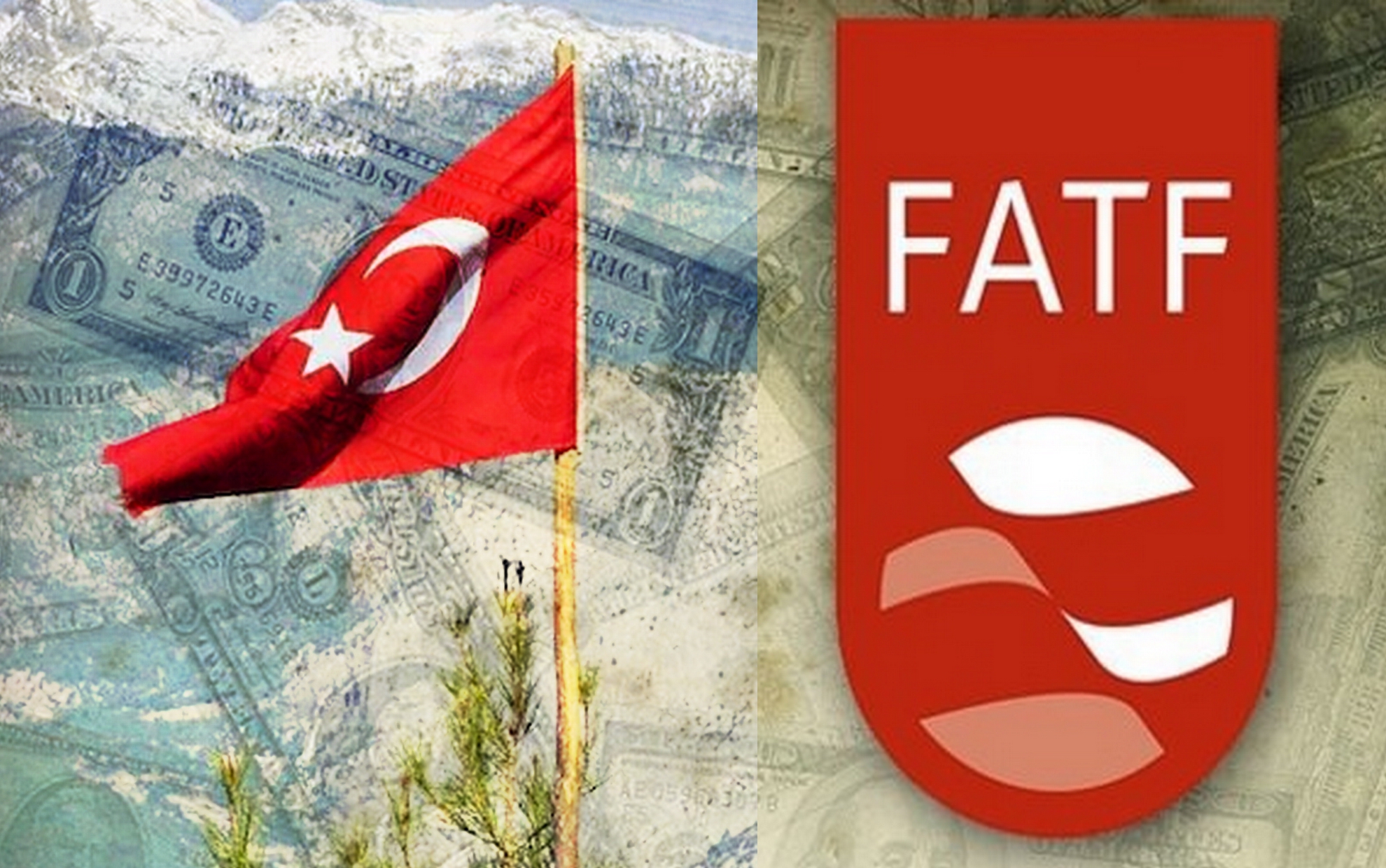
On Thursday, the Financial Action Task Force (FATF), an international watchdog, included Turkey on what is known as the grey list, for its failure to address money laundering and terrorist financing, in a decision that could lead to a further decline in foreign investment.
The Group of Seven major industrialized nations (FATF) was formed to protect the global financial system.
The FATF has also included Jordan and Mali in its list of increased supervision of financial activities, known as the gray list.
The group excluded Botswana and Mauritius from the list, which currently includes 23 countries, citing progress.
Adding Turkey to this list could further decline foreign investment after investors exited in the past few years and the rapid sell-off of the lira in recent weeks.
FATF President Markus Blair told a news conference that Turkey had to address “serious supervision issues” in the banking and real estate sectors and on traders of gold and precious stones in Turkey.
He added, “Turkey must prove that it effectively addresses complex money laundering cases and that it follows up terrorist financing operations by prosecution… and that it prioritizes issues related to organizations classified by the United Nations as terrorist, such as the Islamic State and al Qaeda”.
“Despite our work to accommodate required measures, our country has been placed on the gray list, an outcome we did not deserve,” the Turkish Treasury said in a statement late on Thursday.
“In the coming period, we will continue to take the necessary measures to cooperate with the FATF and all relevant institutions to ensure that our country will be removed from this list that it does not deserve as soon as possible”, the ministry added.
Other countries on the FATF gray list include Pakistan, Morocco, Albania and Yemen.
An International Monetary Fund research concluded this year that inclusion in that list reduces capital flows by an estimated 7.6 % of GDP, and also negatively affects the flow of foreign direct investment.