A coup in the White House against Trump’s allies from MAGA over the Iran deal
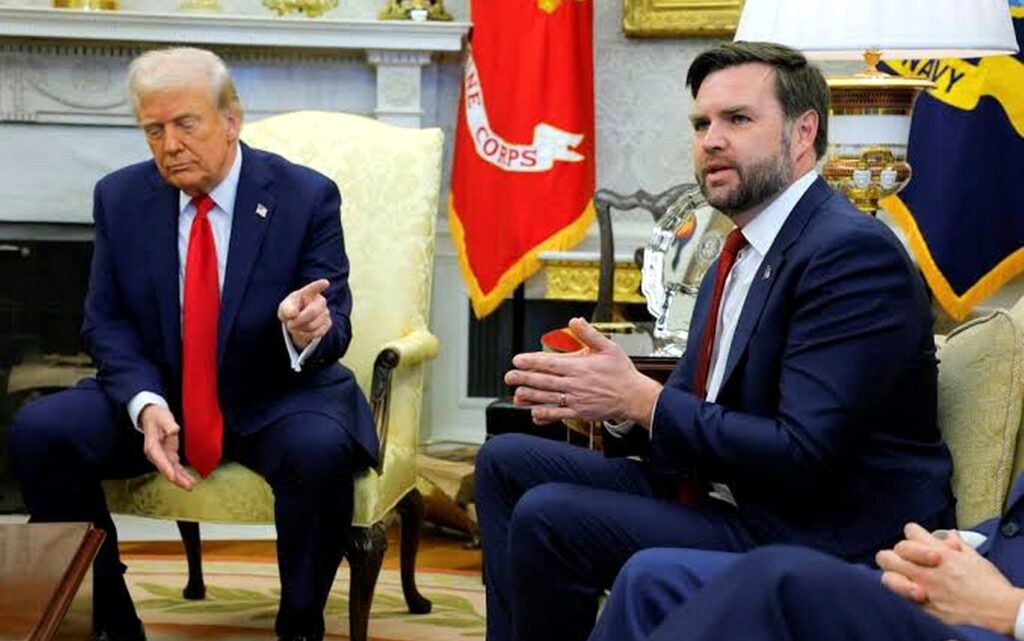
In a development reflecting the depth of divisions within the American conservative movement, the White House administration, led by President Donald Trump, is waging an unprecedented campaign against the most prominent figures of the political and media right, at a time when what can be described as a fierce civil war is raging between the two wings of the Republican movement, against the backdrop of the ongoing negotiations with Iran and the expected settlements that will result from them.
This fierce confrontation reached its peak last Friday when conservative commentator Bhatia Ungar-Sargon became the latest target of the White House’s attacks.
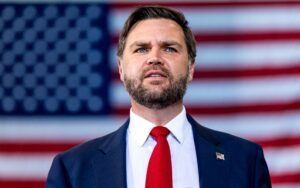
She described the anticipated deal as a “complete humiliation” for the United States and accused Vice President JD Vance of attacking Israel while defending Tehran.
Within hours, the official White House Rapid Response account on X launched a scathing attack against her in two harsh posts, describing her as looking for an extra brain cell and her television program as having become more marginalized than Kaitlan Collins and Jake Tapper, two media figures frequently targeted by Trump’s attacks.
The assault didn’t stop there; conservative writer David Reaboi was also attacked, labeled a nobody and a loser whose crabbling no one wants to read, in direct response to his accusation that Vance had brain rot and had become a clone of the popular podcast host Theo Vaughn.
Surprisingly, Ongar-Sargon and Riaboy aren’t Trump’s opponents; rather, they are among the most prominent voices within his political and media establishment.
Ongar-Sargon, a former editor at Newsweek and current host at NewsNation, wrote an article in 2024 in which she considered Trump the “legitimate heir” to Labor and Jewish traditions and fiercely defended his economic agenda.
Riaboy, a national security commentator long associated with the “America First” movement, remained a prominent voice within the populist right despite his brief endorsement of Trump’s primary rival, Ron DeSantis.
But the administration’s anger wasn’t limited to journalists; it extended to prominent political figures like Mark Levin, former Vice President Mike Pence, and Senator Ted Cruz, who expressed concern that the agreement with Iran would repeat the appeasement scenario that Republicans had vehemently criticized during the Obama administration.
Instead of responding to the criticism with political logic, the White House and its allies chose to attack the critics themselves.
Vance described some as wanting “the conflict to continue forever,” while reports indicated that Trump called them idiots, revealing a deep rift within the conservative camp that could have repercussions on the American political landscape in the coming period.