Shocking in Israel as Trump declarers the ending of the war with Iran
Israeli statements and analyses on Friday revealed confusion and anxiety in Israel following US President Donald Trump’s claim that his country had decided to end the war on Iran, at a time when Israel hopes for the collapse of any possible understanding with Tehran and fears the marginalization of its role in the negotiations.
The Israeli shock came as the Security Cabinet was discussing possible military escalation scenarios against Iran, before Trump announced on Thursday evening that his country had decided to end the war.
On Thursday, Trump claimed that his country had decided to end the war with Iran, despite announcing hours earlier his intention to bomb Iran very hard that same evening.
Iranian Foreign Ministry spokesman Ismail Baghaei denied that his country had reached a final agreement, contrary to what Trump had announced, considering what was being said in this regard to be mere speculation.
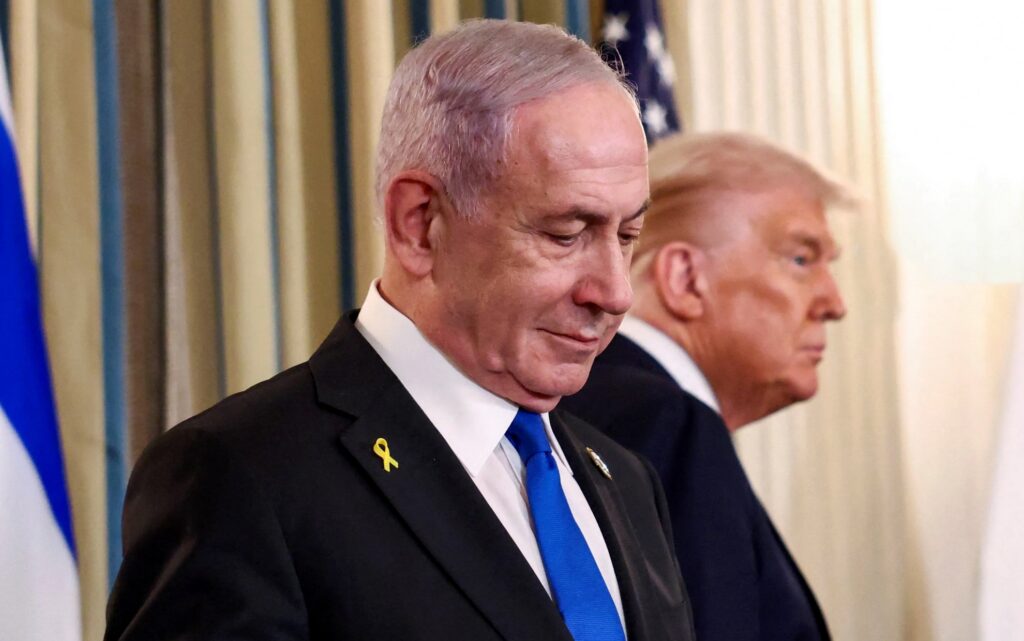
The office of Israeli Prime Minister Benjamin Netanyahu reported that he had spoken with Trump following the announcement, stressing that Israel isn’t a party to the anticipated memorandum of understanding between Washington and Tehran.
In an attempt to draw its red lines for any potential agreement, Israel has set out four demands that it says must be included in a final settlement, including the removal of enriched nuclear material, the dismantling of enrichment infrastructure, restrictions on Iran’s missile program, and a halt to Tehran’s support for its allies in the region, according to Netanyahu’s office.
Despite the US efforts, Israeli comments showed clear doubts about the chances of the agreement succeeding, as the Israeli Yedioth Ahronoth quoted Israeli officials as saying that Tel Aviv didn’t want to reach this understanding, and still hopes that the talks will fail and that it won’t be approved in its current form.
According to Yedioth Ahronoth’s political analyst, Itamar Eichner, said that Israel was aware of progress in US-Iranian contacts mediated by Qatar, but was surprised by Trump’s announcement and its timing, noting that the details of the understanding remain unclear.
He added that Israel will seek to influence the negotiations in the coming period, but may find itself without an influential role in drafting the agreement.
Eichner noted that Israel didn’t want this agreement and still hopes that the talks will collapse and that (Iranian Supreme Leader) Mojtaba Khamenei won’t approve it, while its details remain unclear.
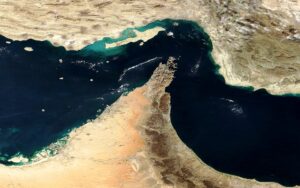
According to Eichner, the proposed agreement includes a ceasefire, the reopening of the Strait of Hormuz, and an Iranian pledge not to pursue nuclear weapons—terms that could give Trump an opportunity to declare a quick diplomatic success.
He believed that Iran had so far succeeded in managing the negotiations in a way that served its interests, whether by gaining time or seeking economic gains, while the true test of the agreement remained linked to the extent to which the parties adhered to its terms.
In the same context, the timing of Trump’s announcement raised widespread questions in Israel, especially since it coincided with the opening of the 2026 FIFA World Cup, which the United States is hosting in partnership with Canada and Mexico.
Israeli analysts suggested that Washington may have sought to present an image of stability and reduce regional tensions with the start of the global sporting event, although there was no official confirmation linking the two.
Recent developments have also revived the debate in Israel about the nature of the relationship with the Trump administration, as Tel Aviv University Vice President Eyal Zisser criticized Washington’s handling of the Iranian issue, arguing that Israel paid the price for the confrontation with Tehran but wasn’t involved in the negotiations that followed.
Trump is primarily addressing his popular base, believing that the pressure he is exerting on Iran may pay off in the long run.
However, Trump’s behavior, from the perspective of Israel and the countries of the region, doesn’t appear to be that of a decisive and strong leader.
Regarding the relationship with Israel, Zisser criticized the exclusion of Tel Aviv from the negotiation process.
He said: “This isn’t the image of an ally… We fought the war with him, so what are we, mercenaries? We bomb and receive missiles when needed, and when we aren’t needed, they don’t inform us of the negotiations and then kick us aside? We’ve become his scapegoat… This isn’t a healthy relationship, even if everything is fine in its essence”.
According to the Israeli, Channel 14, which is close to Netanyahu, questioned the timing of Trump’s announcement regarding Iran with the opening of the 2026 World Cup.
Channel 14 said that Trump announced that a great deal with Iran was close to being reached at almost the same time that the tournament began, talking about canceling planned military strikes and the possibility of reopening the Strait of Hormuz after the understandings were completed.
The Israeli channel noted that there was no official US confirmation linking the two events, pointing out that White House officials denied that the decision regarding Iran was influenced by considerations related to the World Cup.
The Israeli channel noted that the timing raises questions, given that the United States is hosting most of the tournament’s matches and its success depends on an atmosphere of stability and security, and added that the war between the United States and Iran had previously raised questions about the Iranian team’s participation in the tournament and about visa and travel procedures.