US official: Hostilities with Iran have ended according to the law
A senior US official said late Thursday that hostilities between the United States and Iran, which began on February 28, are considered terminated for the purposes of the War Powers Act.
The official explained that the two sides reached a ceasefire for two weeks starting on Tuesday, April 7, and it was later extended, noting that there has been no exchange of fire between US and Iranian forces since that date.
Friday is the deadline given to President Donald Trump by the War Powers Act: either to officially end the war on Iran, or to go to Congress and provide justifications for extending it, however, according to analysts and congressional aides, this deadline is likely to pass without a radical change in the course of the conflict, which has stalled and turned into a confrontation over shipping routes in the Strait of Hormuz.
Trump’s options: notify Congress, ignore the deadline, or declare the end, as analysts expect Trump to take one of three paths:
Notifying Congress of his intention to extend the war for an additional 30 days.
Ignore the deadline completely and continue with the current situation.
The claim that the current ceasefire is the end of the conflict, and therefore there is no need to extend it.
The third scenario seems the most likely, especially given the senior official’s statements on Thursday evening describing the hostilities as over.
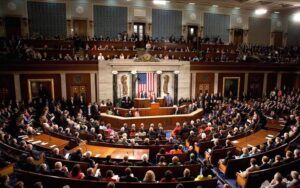
War powers: A purely political weapon in a divided Congress; Like most policies in the deeply divided US Congress, war powers have become a purely partisan issue.
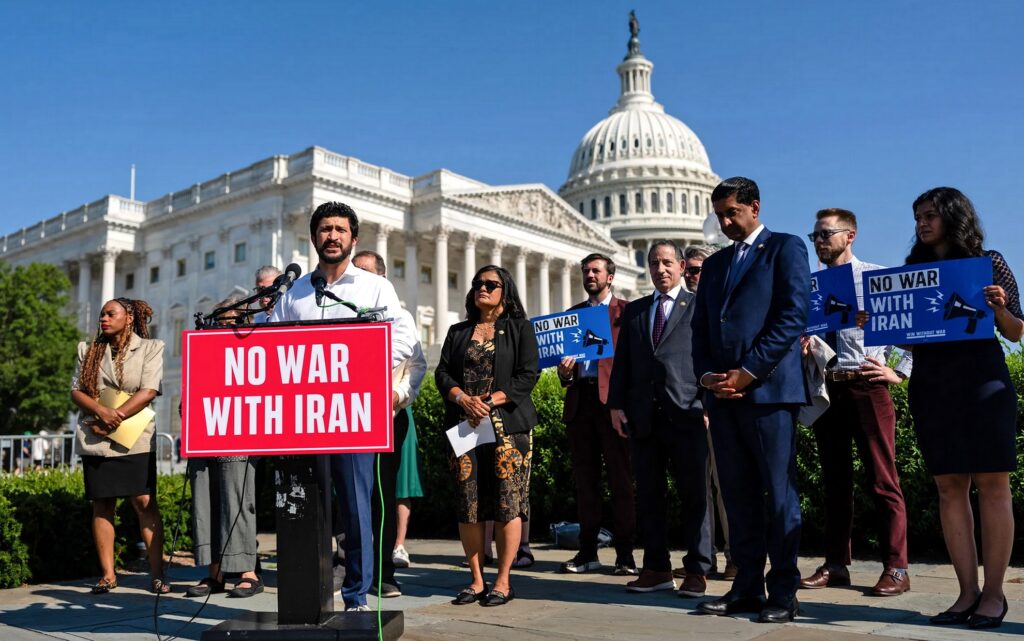
The Democrats are demanding that Congress reaffirm its constitutional right to declare war, and accuse Trump of exceeding his powers.
On the other hand, Republicans accuse Democrats of trying to use the War Powers Act to weaken Trump politically.
Amid this division, Trump seems to prefer maintaining the status quo: no officially declared war, but also no complete peace.
An endless war and a blockade that has persisted since February 28th, widespread hostilities erupted between the United States and Iran, marked by mutual airstrikes and casualties.
The fighting then slowed, transforming into a war of attrition in the Strait of Hormuz.
The Trump administration declares that hostilities have ended, but it doesn’t formally declare an end to the war, nor does it request congressional authorization for an extension.
The result, an open-ended war without a clear legal framework, a continuing naval blockade, and US forces on high alert, and the Congress, preoccupied with its partisan battles, leaves the door wide open.