Europe faces challenges from Russian gas outage
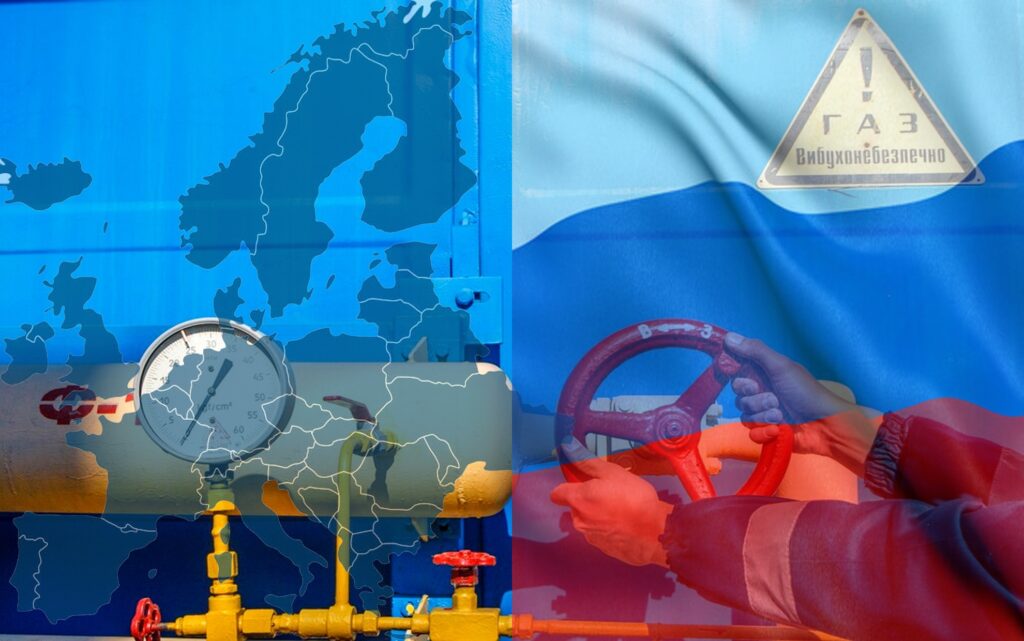
As 2025, concerns have emerged among European countries most dependent on Russian gas after the non-renewal of the gas transit contract between Ukraine and Russia.
Countries such as Slovakia and Hungary face significant challenges, as they rely heavily on Russian gas delivered via Ukraine, while Bulgaria and Serbia have been less affected.
Slovakia and Hungary, located in central Europe, are seeking alternative solutions, including importing gas by sea.
Reports in the summer of 2024 indicated diplomatic efforts to resolve this dispute, especially in Slovakia, which relies on Russian gas by 85%.
The Slovak government is in intensive consultations with the relevant parties to ensure the continued flow of gas through Ukraine.
Hungary, for its part, relies on the Balkan Stream pipeline, an extension of the Turkish-backed TurkStream pipeline, which supplies Hungary with about 4.5 billion cubic meters of Russian gas annually.
Serbia and Bulgaria are working to diversify their energy sources and reduce their dependence on Russian gas.
Serbia imports 81% of its gas needs from Russia, while Bulgaria relies heavily on natural gas imported from Russia, but has taken steps to increase its connections to gas pipelines from alternative sources, such as Azerbaijani gas.
In the EU countries, Italy was among the first countries to start taking proactive measures to reduce its dependence on Russian gas, as it concluded agreements with Algeria, Qatar and Azerbaijan to secure gas supplies.
In less than three years, Italy reduced its dependence on Russian gas from 50% to 20%.
Germany and France have also significantly reduced their imports of Russian gas since the start of the Russian-Ukrainian war, with France announcing in 2022 that its dependence on Russian gas would drop from 50% to 9%.
Austria is also preparing to reduce its dependence on Russian gas by the end of 2024.
All of these countries are trying to diversify energy sources and enhance European cooperation to ensure stable gas supplies and mitigate the impact of any future crises that could lead to Russian gas cuts.