The Times: Unit 29155… A secret Russian cyber agency that threatens the West
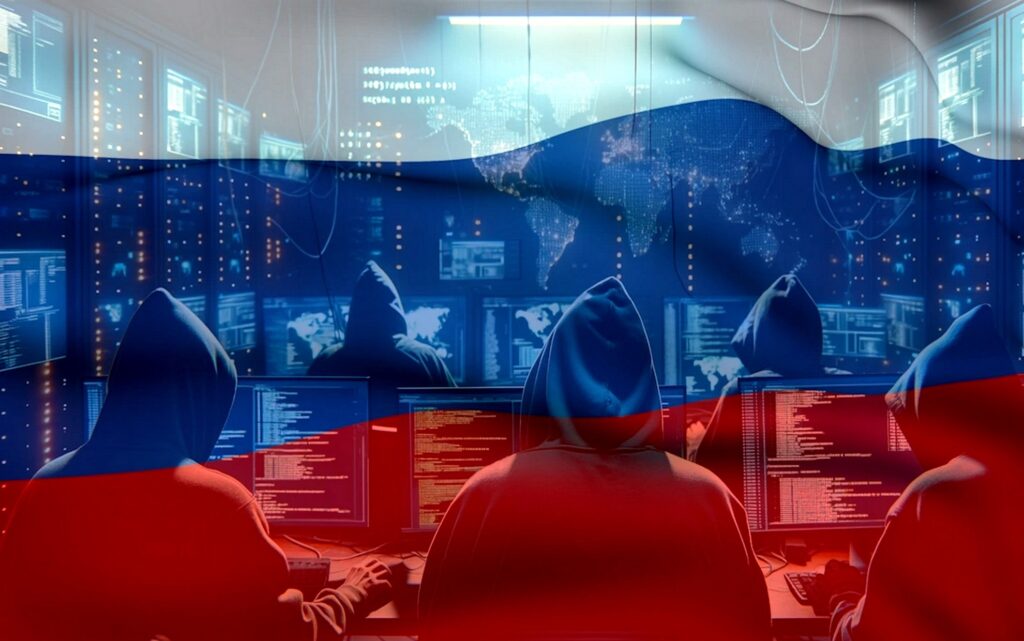
The UK has warned of the threat posed to NATO and world governments by Russia’s secretive unit 29155, saying the unit is accused of carrying out assassinations and cyber-attacks wherever Russian President Vladimir Putin wants, and announced it was beefing up its defenses to counter the growing threat.
According to the Times newspaper, which highlighted in a report this unit affiliated with the Russian military intelligence service, which was recently revealed by the British National Cyber Security Center.
The center and nine other allies, including the United States, warned that the unit’s activities include espionage, theft and leaking of sensitive information, and accused the unit of launching “a campaign of malicious cyber-attacks targeting governments around the world”.
Pat McFadden, the British Cabinet Office minister, referred to the unit on Monday at a NATO cybersecurity conference, warning that it had targeted government services, financial services, transport, energy and healthcare systems in alliance countries.
McFadden announced that a new British lab based on artificial intelligence will seek to confront the threat of Russian cyber warfare, and said it was important to learn from the experience of Ukraine, which suffered from “Russian cyber-attacks on the power grid, airports and other vital national infrastructure”.
The report monitored the activities of Unit 29155 over the past years, which included:
The attempted assassination of former Russian military intelligence officer Sergei Skripal and his daughter using a nerve agent in the United Kingdom in 2018.
Bounties paid to Taliban-linked militants for attacks on coalition forces in Afghanistan during peace talks in 2020.
The Whispergate malware was used to target and hack Ukrainian government computer systems in 2024.
The unit is well-known in political circles and admired by Putin for its high-risk, cost-effective operations, but it represents only a fraction of the capabilities of Russia’s military intelligence service, said the report’s authors, Fiona Hamilton, the paper’s chief correspondent, and Max Kendix, its political correspondent.