Time Magazine: Trump has 3 options in Iran
Geopolitical analyst Bobby Ghosh painted a bleak picture of the options before US President Donald Trump in dealing with the escalating protests inside Iran, stressing that he does not have good or even mediocre options.
In an article published in Time magazine, he wrote that Trump had been briefed on options for carrying out military strikes in Iran.
This letter is addressed not only to the ruling mullahs in Tehran, “but to all of us… He wants us to believe that he is about to save the Iranian protesters”.
Ghosh noted that the president has been issuing aggressive warnings for several days in an increasingly intense tone toward Tehran, as popular protests continue there.
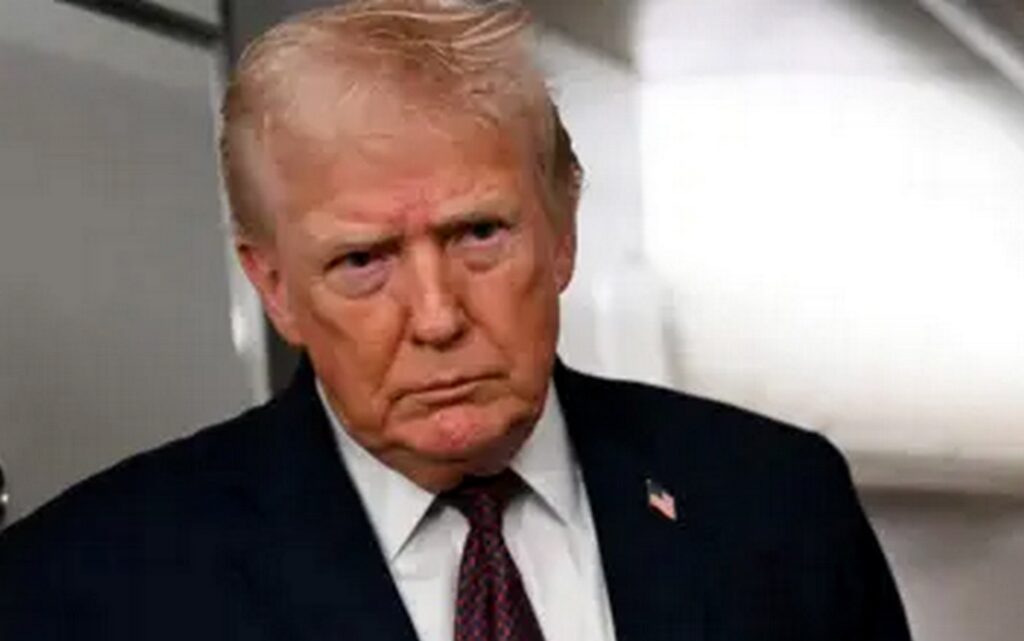
Early Monday morning, Trump said he was considering a range of responses to Iran’s escalating unrest, including possible military options, as protests continue to ravage the country.
Speaking to reporters aboard the presidential plane, he stressed that his country has very strong options for Iran, adding: “We’ll respond firmly to any action, and we will attack Iran in a way that they have never seen before if they engage in violence with the protesters”.
Commenting on the remarks, Ghosh said the president’s words were powerful, the kind that is popular on news channels and social media, arguing that this is the Trump we know, who has traditionally threatened and threatened as politics.
He added that these statements reflect part of the personality of a president who is determined to be different from his predecessors Barack Obama and Joe Biden, and he wants to be the one who actually acted.
Trump’s hardline rhetoric raises expectations among Iranians who risk their lives, his Gulf allies who are watching the situation nervously, and those close to him urging him to act.
The problem, however, is that Trump has no good options, or even intermediate options, according to the author who lays out possible scenarios, “each of which is worse than the other”:
Scenario One: The Symbolic Strike
This scenario is to target IRGC positions or limited military installations to suggest that the administration has done something without starting a war.
But such strikes achieve nothing, the Basij forces won’t stop arresting young women, nor will they deter Supreme Leader Ali Khamenei from crushing the uprising with all the force necessary… Worse, it sends a harsh message to protesters: “You are alone”.
According to Ghosh, the disturbing truth suggests that Iran’s future won’t be determined by US cruise missiles, but by the Iranians themselves in the long struggle of wills.
Scenario Two: Decapitation
Ghosh believes that beheading the regime in Iran through the assassination of Khamenei and senior IRGC commanders is a “simple seductive” idea, but in reality, it could produce a bloodier military regime.
The alternative to fill the vacuum in this case won’t be the protesters and democracy, but the Revolutionary Guards, which has 190,000 gunmen, which he considers the most organized and cohesive force.
He adds that any military formation that succeeds the Supreme Leader could end up making a deal with Washington to protect its interests, which is a bitter irony for those who have sacrificed their lives for freedom.
Scenario Three: The Sustained Military Campaign
Ghosh sees this scenario as the middle ground, which is an ongoing air campaign to weaken Iran’s security apparatus, “neither symbolic nor beheaded,” but rather systematic strikes to make repression more difficult, without the risk of deploying troops on the ground.
A potential military campaign under this scenario would include targeting command posts, destroying weapons depots, disrupting communications, and giving protesters a chance to hold out.
The irony, however, Ghosh warns, is that the more successful the campaign, the greater the risk of chaos, which could drag Iran into a Libya or Yemen-like fate.
Ghosh concludes that the disturbing truth suggests that Iran’s future won’t be determined by US cruise missiles, but by the Iranians themselves in the long struggle of wills.
While Washington can help on the sidelines through sanctions, technology, and diplomatic pressure, he warns referring to airstrikes, that “liberation isn’t safe from the sky,” that protesters deserve more than empty promises, and that America deserves better than a new Middle East adventure born of good intentions and magical thinking.