Newsweek: A Saudi move may ignite a conflict with Russia
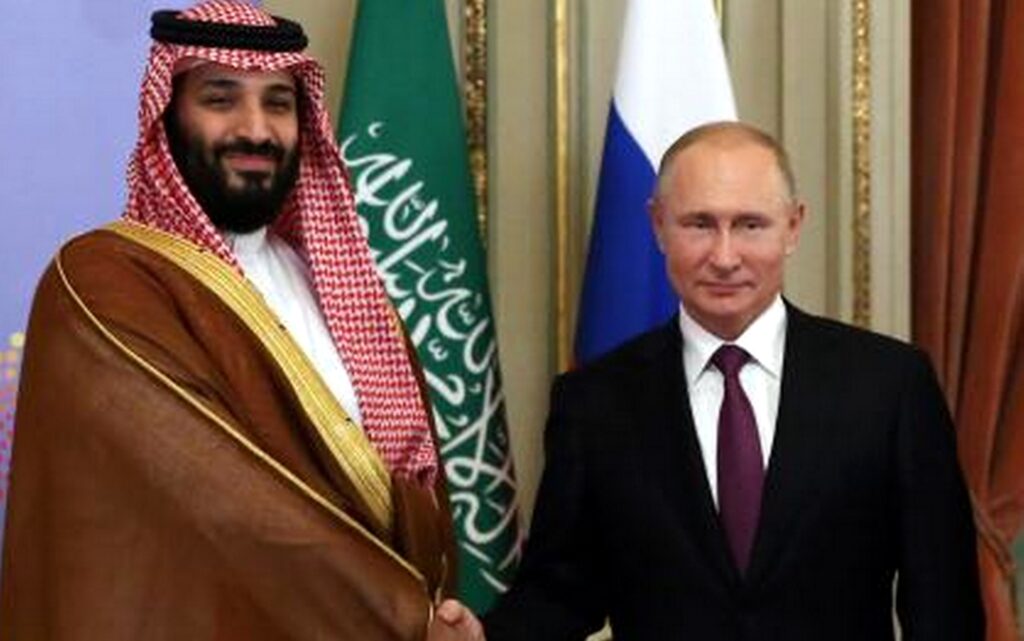
Newsweek magazine reported that Saudi Arabia is preparing to increase oil production, considering this a step that represents a challenge to Russian President Vladimir Putin and financing the Russian war in Ukraine.
Newsweek explained that the KSA plans to abandon its previous target of $100 per barrel of crude oil, and is working to increase production, which means accepting lower prices.
The New York Times reported that the private equity firm run by Jared Kushner, former US President Donald Trump’s son-in-law, has received at least $112 million in fees since 2021 from Saudi Arabia and other foreign investors, though no profits were returned to the governments that fund the firm until last July.
Newsweek noted that this move comes despite previous production cuts by OPEC+ members aimed at keeping prices high.
Brent crude prices fell below $70 in early September, the lowest level since December 2021.
However, officials plan to increase production starting December 1, which could lead to continued declines in prices.
This shift indicates a change in Saudi policy, which had previously focused on price stability.
Newsweek believes that increasing Saudi oil production, especially in light of the decline in prices, is likely to negatively affect the Russian economy, which relies heavily on oil revenues to finance the war in Ukraine.
Experts told the magazine that this move could put pressure on Russia’s budget in light of its ongoing invasion of Ukraine.
Oil and gas remain key sources of Russian budget revenue, and falling prices could add to the pressure on the Russian budget, said Oresia Lutsevich, head of the Ukraine Forum at Chatham House.
Sanctions are making it harder for Russia to get the parts it needs, she said, “so reducing oil revenues will put more pressure on the regime”.
With Saudi Arabia increasing supplies, the Newsweek magazine expects this to be reflected in lower global oil prices, which will put additional pressure on Russia in light of the ongoing sanctions and the conflict with Ukraine.
This could erode Russia’s share of the oil market, threatening the stability of its economy.
Saudi Arabia is also facing increasing pressure from rising supply from non-OPEC producers, such as the United States, and weak demand in China.
According to Reuters, oil prices have fallen by about 6% this year due to increased production from other producers and weak demand growth in China.
The OPEC+ alliance agreed earlier this month to postpone a planned production increase in October for two months, after prices hit their lowest levels in nine months.
The alliance confirmed that its committed to increasing production from December 1 even if it leads to prices continuing to fall.
The Financial Times said that the alliance is committed to increasing production as planned, even if that requires a longer period of lower oil prices.
In another report, the Money Metals platform stated that Saudi Arabia has purchased 160 tons of gold from Switzerland since early 2022, which contributed to the rise in global gold prices.