Japan: Parliament approves historic amendments to save the empire
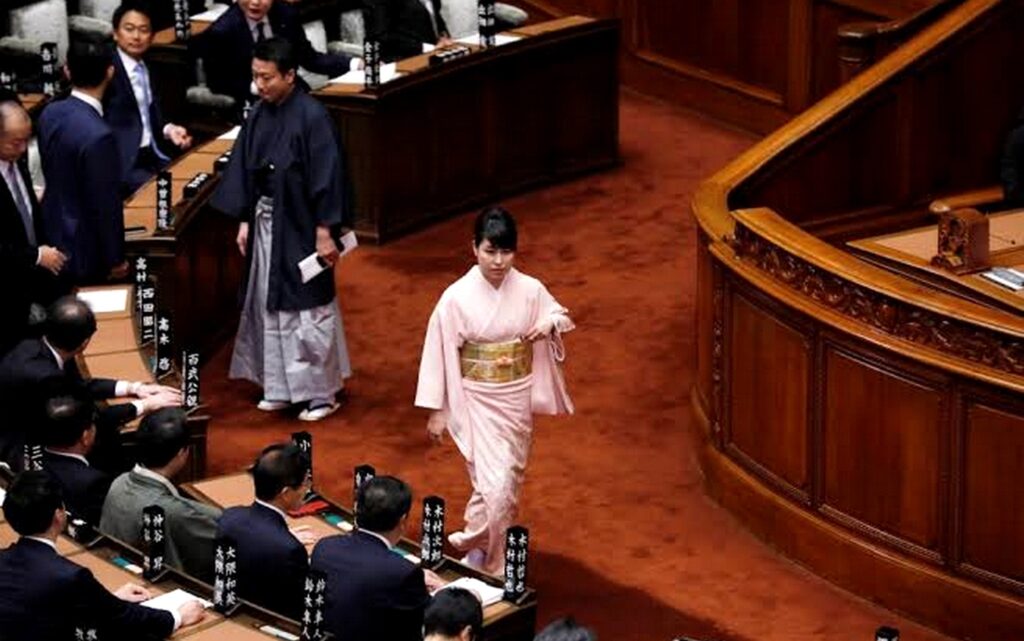
The Japanese parliament has begun discussing fundamental changes to the imperial succession system, amid growing concerns about a shortage of male heirs capable of shouldering the burden of the throne in the coming decades, which is considered as a move reflecting the scale of the challenges facing the world’s oldest ruling dynasty
These legislative moves come at a time when the future of the imperial institution rests on the shoulders of Prince Hisahito (19), who is the only male heir of the younger generation within the ruling family, the nephew of Emperor Naruhito, and second in line to the throne after his father, making him the focus of discussions about the continuity of the imperial system.
Parliament overwhelmingly approved a package of proposals aimed at broadening the pool of potential heirs, most notably allowing princesses to retain their membership in the imperial family even after marrying commoners, a break with long-standing traditions that forced princesses to leave the royal family upon marriage.
The amendments also included a clause allowing the imperial family to adopt male relatives from distant branches, in an attempt to strengthen the ranks and fill the numerical shortage of individuals capable of performing official duties.
However, House Speaker Eisuke Mori clarified that the new adoptees wouldn’t automatically receive the right to inherit the throne, but rather their sons would be the ones who could be included in the line of succession in the future.
House Speaker Mori confirmed in a press conference that the current parliamentary consensus represents the best possible formulation at this stage to address the succession dilemma, noting that the discussions took a long time to reach this middle-ground vision.
Meanwhile, the current Imperial Family Code remains strict in requiring maleness and paternal lineage for those aspiring to the throne, which effectively excludes Princess Aiko, Emperor Naruhito’s only daughter, from any future opportunity to assume the position, sparking heated debate between reformists and conservatives.
According to Mori, the proposals approved by parliament will be formally submitted to Prime Minister Sanae Takaichi, so that her government can draft a detailed bill based on them.
The text will then be returned to both houses for discussion and a final vote before July 17.
If these amendments are approved, they will be one of the biggest transformations the Japanese imperial institution has seen since the end of World War II, and could redefine the concept of succession in a country that reveres its ancient traditions but faces a difficult demographic reality that threatens the continuity of one of the oldest monarchies in the world.