The Russian President signs decree simplifying the process of granting Russian citizenship to residents of Moldova’s separatist Transnistria
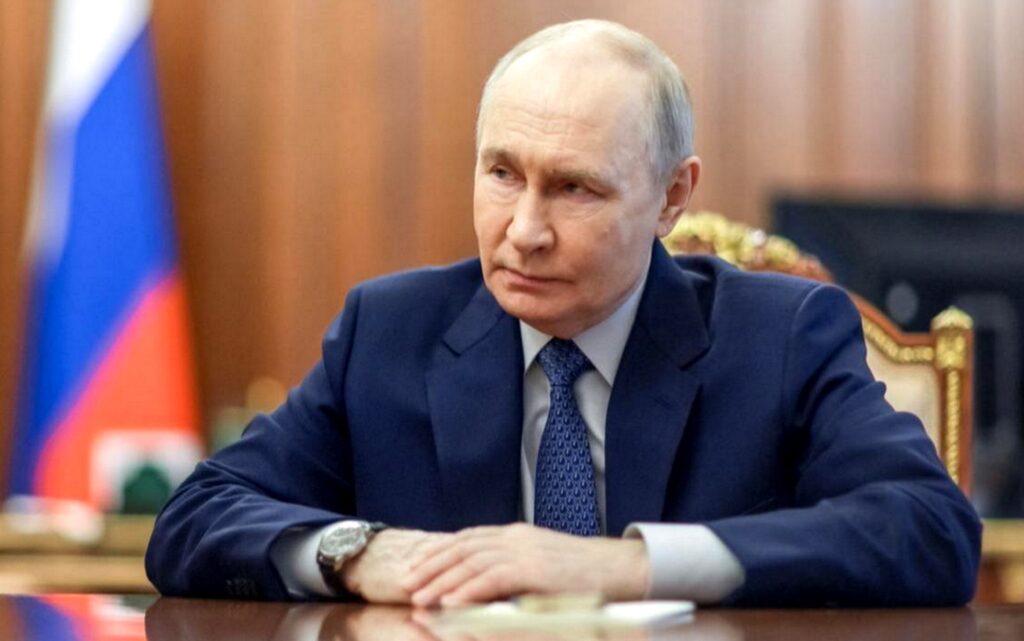
Russian President Vladimir Putin signed a decree simplifying the process of granting Russian citizenship to residents of Transnistria, the region that unilaterally declared its independence from the Republic of Moldova.
According to the decree signed by Putin on Saturday evening and published in the Russian government’s legal information system, the procedure for granting Russian citizenship to residents of Transnistria has been simplified.
Under the decree, foreign citizens permanently residing in Transnistria who have reached the age of 18 are entitled to apply for Russian citizenship through a simple procedure.
The decree indicated that the decision was adopted in accordance with international law with the aim of protecting human rights and freedoms.
In contrast, Moldovan President Maia Sandu criticized the Russian decision during remarks she made in the Estonian capital, Tallinn.
Sandu said: “Putin is trying to intimidate Moldova… After the war broke out in Ukraine, many Transnistrians obtained Moldovan citizenship to feel safe”.
After Moldova declared its independence from the Soviet Union in 1991, the Transnistria region, located on the eastern bank of the Dniester River, unilaterally declared its secession with the support of Russia.
Armed conflicts broke out between Moldova and Transnistria following the declaration of independence, ending with a ceasefire in 1992.
Official reports at the time indicated that more than a thousand people were killed and thousands were injured in those conflicts.
Negotiations aimed at resolving the conflict between Moldova and Transnistria began in 1993 under the auspices of the Organization for Security and Cooperation in Europe.
Those negotiations included representatives from Transnistria, Moldova, Russia, Ukraine, the United States, the Organization for Security and Cooperation in Europe, and the European Union.
Transnistria is still recognized as separatist and isn’t recognized by any UN member state, despite having its own political institutions, parliament, army, police force and postal system.
Russia maintains military forces in the region under the name of “peacekeeping forces,” and provides millions of dollars in financial support annually to the region.
The village of Kubasna in the Transnistria region contains the largest Soviet-era ammunition depots dating back to World War II.