German Chancellor backtracks on his remark regarding returning 80% of Syrians
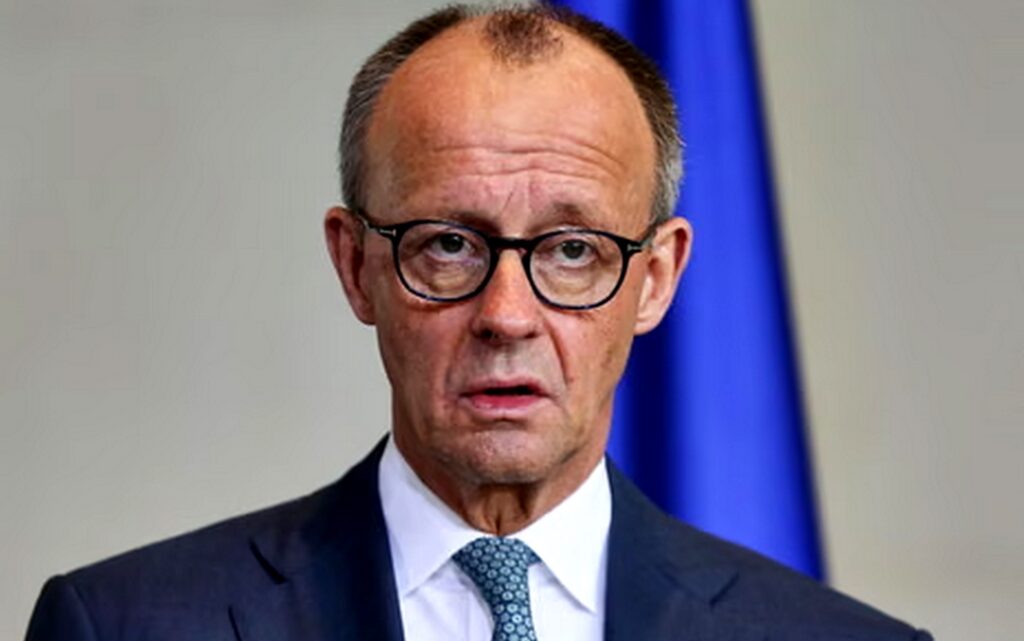
German Chancellor Friedrich Merz on Tuesday retreated from the controversial target of the return of 80% of Syrians residing in Germany within three years, saying that this figure was “mentioned by Syrian president, Ahmed al Sharaa during his visit to Berlin.
Merz said: “The figure related to the return of 80% of the refugees within three years was mentioned by the Syrian president… We’ve taken note of this figure, but we are aware of the enormity of the task”.
The retreat came just a day after the conservative chancellor’s remarks sparked widespread criticism from NGOs and members of his ruling coalition, amid economic and social warnings of the repercussions of Syrians leaving Germany.
Merz said during Sharaa’s visit to Berlin on Monday that he would work with the new Syrian administration in the long term toward achieving a large-scale return from Germany, which hosts the largest Syrian community in the European Union.
However, the Syrian president of the transitional period didn’t confirm this goal himself during the meeting, which prompted political circles in Berlin to express their surprise that the figure was presented so openly and without official confirmation from the Syrian side.
Merz’s original remarks faced criticism from within and outside his ruling coalition.
Anke Rillinger, deputy leader of the coalition partner Social Democratic Party (SPD), accused him of putting himself in a political trap, arguing that setting timetable figures creates expectations that he may not be able to meet and gives the anti-immigration Alternative for Germany (AfD) party valuable propaganda material.
Reilinger understood Sharia’s call for Syrians to contribute to the reconstruction of their country, but stressed that many Syrians are now our citizens, because they have integrated here, they work in under-employment professions, they take care of the elderly or drive buses, and many of them have even obtained German citizenship.
According to official statistics, some 244,000 Syrian citizens obtained German citizenship between 2016 and 2024, making them the largest group among those who were newly granted citizenship.
Criticism also came from within the conservative Meretz party itself (CDU), with the party’s foreign affairs spokesman, Roderich Kieswetter, describing the figures cited by the chancellor as problematic in many respects.
He warned that any unfulfilled promises would be in the interest of the far right, pointing to the vital role that skilled Syrian workers play in the German economy: If they come back, we will face a challenge.
In the same context, the German Association of Hospitals confirmed that the 5,745 Syrian doctors working in German clinics represent the largest group of foreign doctors, along with 2,000 Syrians working in the field of care.
The association’s vice president, Henriette Neumeyer, warned that the departure of these skilled workers will have a significant impact on the healthcare sector.
Franziska Brantner, a leader of the opposition Green Party, described Meretz’s goal for reinstatement as reckless, stressing that returning to Syria isn’t an option at all for many people in light of the continuing security risks and mistrust of the transition.
The MP for the same party, Louisa Amtzberg, denounced the remarks as shameful; The pro-migration organization Pro Asyl called for an immediate halt to the deportation of Syrians, in light of the continued instability in Syria and the threats faced by minorities there.
The organization stressed that German policy should be based on human rights, protection and long-term stability, not on short-term deterrence in migration policy.
Official data shows that more than 3,700 Syrians have voluntarily returned from Germany as of November 2025, at a time when experts point out that any forced deportation will typically face long-term legal challenges.
Merz, who took office last May in a coalition with the Social Democratic Party, has vowed to break ties with former Chancellor Angela Merkel’s more welcoming border policy of his own party.
Merkel allowed some 1.3 million people fleeing war and repression in the Middle East and Afghanistan to enter Germany between 2015 and 2016, a move that later provided political material for the Alternative for Germany (AfD), now the country’s largest opposition force.
Although Merz acknowledged that many Syrians who arrived in Germany under Merkel made a vital contribution to German society, he said most of them want to return now that the regime of Bashar al Assad is gone.