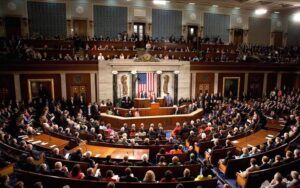
Iran’s Assembly of Experts chose Ali Khamenei’s son Mojtaba as the new Supreme Leader
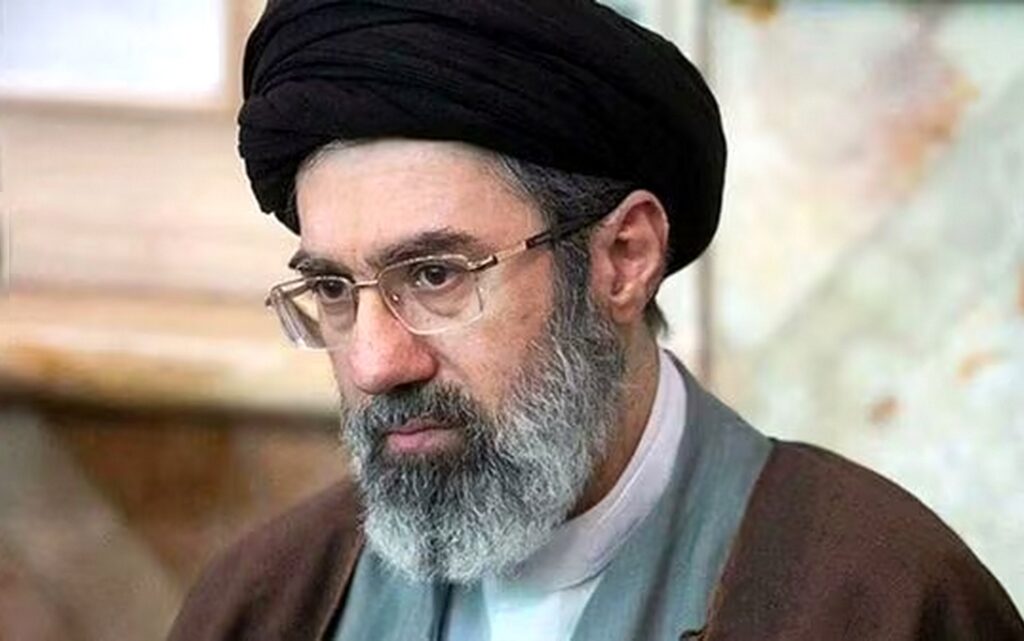
Iranian media confirmed that Iran’s Assembly of Experts has chosen Mojtaba Khamenei, the son of the late Supreme Leader Ali Khamenei, to become the country’s new Supreme Leader.
Mojtaba’s choice, which hasn’t yet been officially confirmed by Iranian officials, as he survived Israeli and US airstrikes on Tehran, which resulted in the death of his father, while his wife died during the raids on the first day of the conflict.
Mojtaba Khamenei, was born in 1969 in the city of Mashhad, and completed his high school education in 1987.
He joined the Iranian Revolutionary Guard Corps and served during the Iran-Iraq War (1980–1988).
He received religious education in the late 1990s with conservative scholars at the Scientific Seminary in the city of Qom.
He is the least visible son of Supreme Leader Ali Khamenei, and played a pivotal role within the Supreme Guide’s office away from the limelight.
He is considered one of the most prominent potential candidates to succeed his father, especially after the death of Ebrahim Raisi in 2024.
He grew up in the shadow of social and economic upheavals that affected the religious elite in Mashhad.
He was associated with the Revolutionary Guards, which was established as a parallel force to the regular army loyal to the Shah.
After the outbreak of the Iran-Iraq War, protecting the regime became a top priority, and the IRGC strengthened its influence and resources, especially after Ali Khamenei assumed the presidency until 1989.
At the beginning of the 21st century, he forged close ties within the Revolutionary Guards and with senior clerics.
Mojtaba’s relations with the Revolutionary Guards and security influence
For years, he was a key conduit between his father and the IRGC leadership, giving him a rare position, as he is close to the security nucleus and also linked to the civilian and religious leaders on whom he depends.
The Supreme Leader’s office has also effectively run the house for at least two decades and is seen as one of Ali Khamenei’s closest confidants.
The house represents not just an organ within the state, but the essence of the state itself, as the president and the elected government are often only a façade, with limited actual power.
His activity in the Guide’s office strengthened his network of relations with influential figures, and he became an influential intermediary to serve his father’s interests.
His name came to prominence after the 2005 presidential election, and faced accusations from the opposition of interfering in the elections.
He is believed to have contributed to the security crackdown that followed the protests against the election results.
The Revolutionary Guards intelligence apparatus, which is under the Supreme Leader’s office, has expanded to become a competitor to the Ministry of Intelligence and Security.