Israeli fears of renewed Turkish infiltration activity in Syria after the Syrian government takes over the al Tanf base from the United States
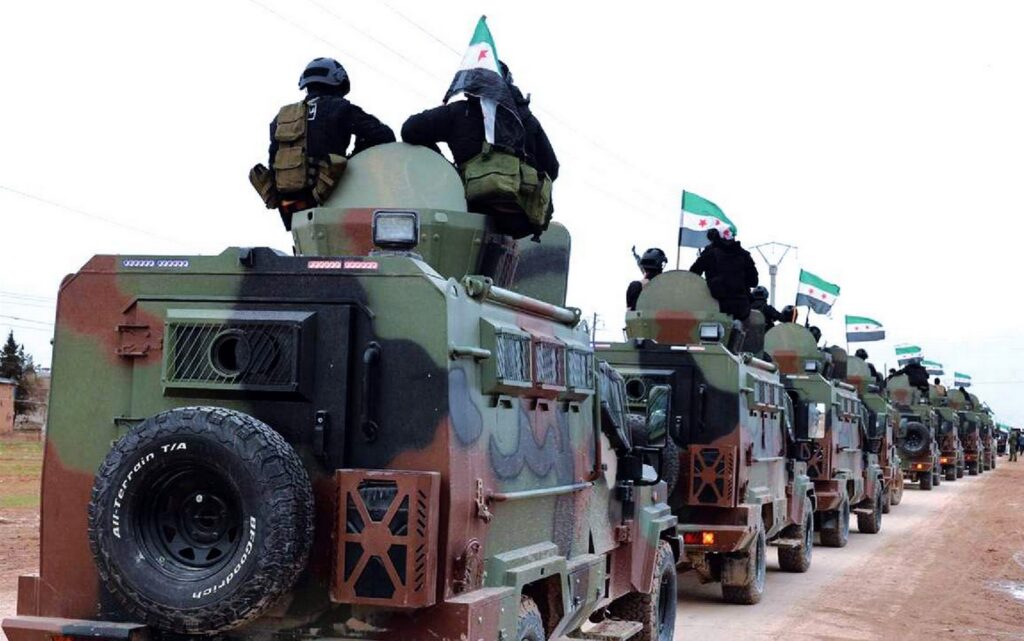
Damascus announced the full control of its forces over the strategic al Tanf base, after the withdrawal of US forces from the base and the area.
The move sparked concern in Israel, where security circles warned of a looming new reality at the Syrian-Iraqi-Jordanian border triangle, amid fears that the area could become a platform for new regional influence, specifically Türkiye.
The Ministry of Defense of the Syrian Transitional Government announced on Thursday that it has officially received the al Tanf base and secured its surroundings, confirming the start of the deployment of Syrian army units along the border strip between Syria, Iraq and Jordan.
The move came after a US withdrawal from a site that for years had been a thorn in the side of the geographical connection between Damascus and Baghdad, so that full control of the field returned to government forces.
This shift has been met with great concern in Israel, as the Israeli Maariv newspaper quoted intelligence reports that it feared that the al Tanf base, instead of being an US observation post, would turn into a Turkish observation post directed against Israel.
Reports indicated that the Syrian army units deployed at the site received support with light armored vehicles provided by Türkiye, which reinforces the hypothesis of field coordination between Ankara and Damascus in the area.
According to Israeli analysts, the Syrian-Turkish intersections in the al Tanf area go beyond the military issue, as Ankara seeks to use the base and the border axis to cut off the geographical connection between the Kurds in Syria and their counterparts in Iraq, a common goal with Damascus, but which raises Israel’s concern about the growing Turkish influence towards its borders.
In this context, the head of the Israeli security movement, Brigadier General Amir Avivi, called for a change in the rules of engagement and the imposition of a demilitarized zone by force in southern Syria.
In statements to Maariv, Avivi described Syrian President Ahmed al Sharaa as “an extremist ideologue” and called for dealing with him with extreme caution.
Avivi put forward a hardline security vision based on three axes: imposing a heavy weapons-free zone between Damascus and the Golan Heights, maintaining a permanent intelligence presence on the slopes of Mount Hermon, and paying attention to the minorities card by strengthening alliances with the “Druze minority” in Swaida, taking advantage of the instability and internal clashes.
Avivi expressed concern that the threat is no longer limited to Syria, but includes regional interventions, warning of Turkish activity in building military capabilities that may threaten Israel from Syrian territory.
He stressed the need to draw clear redlines, considering that recent Israeli attacks on attempts to rehabilitate Syrian air bases fall within this policy.
He also stressed the importance of direct coordination with Washington to ensure the freedom of Israeli operations in Syrian airspace.
It comes at a time when the region is witnessing a reconfiguration of alliances, amid a frantic race to fill the vacuum left by the US withdrawal from one of the most sensitive locations in the regional conflict.